Easter in Italy: Traditions, Celebrations, and What Travelers Should Know
Updated January 20, 2026
Easter in Italy is a vibrant tapestry woven with ancient traditions, deeply rooted faith, regional customs, and unforgettable food. For travelers, it offers a rare opportunity to experience Italy at one of its most meaningful and culturally rich moments of the year.
From solemn religious rituals to joyful family gatherings, the Easter season reveals the heart of Italian life in a way few other holidays can.
How Do They Celebrate Easter in Italy?
Easter in Italy is celebrated over several days, blending religious observance with community traditions, food, and time spent with loved ones.
Spectacular Religious Processions Across Italy
One of the most profound Easter experiences in Italy is witnessing the elaborate religious processions held throughout the country. From quiet villages to major cities, these events bring centuries-old traditions to life.
Good Friday processions are often somber and reflective, featuring hooded confraternities, candlelit streets, and reenactments of the Passion of Christ. Easter Sunday, by contrast, is joyful and celebratory, marking the Resurrection with music, bells, and communal gatherings.
These processions offer an intimate look at Italy’s deeply rooted Catholic heritage and regional identity.
Easter Mass at St. Peter’s Basilica
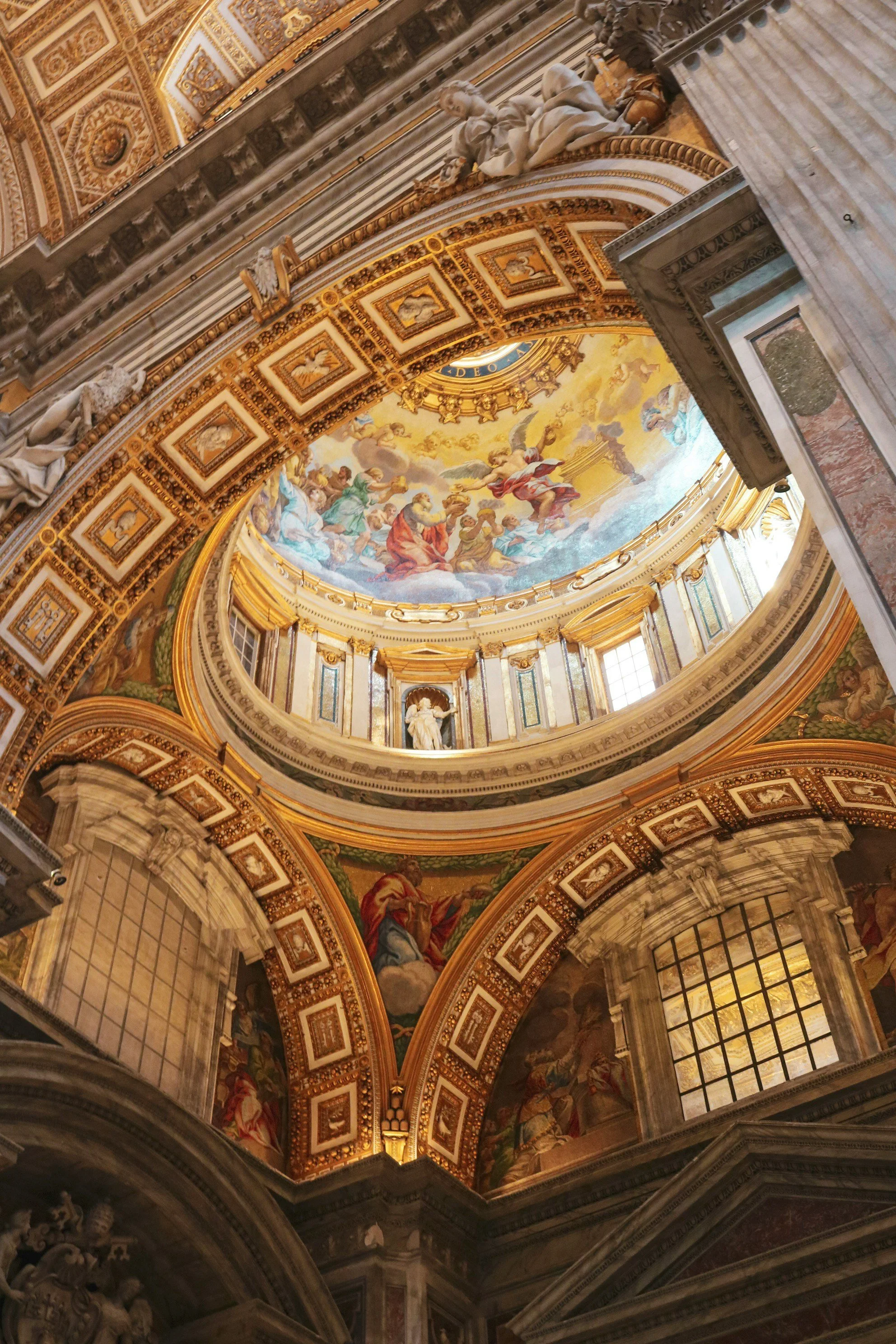
For a truly awe-inspiring experience, many travelers gather in Vatican City to attend Easter Mass at St. Peter’s Basilica. Celebrated by the Pope, Easter Sunday Mass draws pilgrims from around the world.
Following Mass, the Pope delivers the traditional Urbi et Orbi blessing from the balcony overlooking St. Peter’s Square. Even for non-Catholics, the atmosphere is powerful and unforgettable.
Easter Food in Italy: What Do Italians Eat?
No Italian holiday is complete without food, and Easter is no exception.
Traditional Easter Treats
Italian Easter tables feature beloved seasonal specialties, including:
Colomba Pasquale: A dove-shaped sweet bread similar to panettone, symbolizing peace and rebirth
Chocolate Easter eggs: Often large, beautifully wrapped, and filled with surprises inside
Lamb dishes: A traditional Easter Sunday meal in many regions
Regional breads and pastries: Each area of Italy brings its own specialties to the table
Meals are long, festive, and centered around family, reinforcing Easter’s role as both a religious and cultural celebration.
Why Is Easter a Big Deal in Italy?
Easter is one of the most important holidays in Italy because of the country’s strong Catholic foundation and its connection to centuries of history, art, and tradition.
Holy Week commemorates the final days of Jesus Christ, making Easter a time of deep spiritual reflection. Churches are filled, bells ring across towns, and many Italians attend Mass even if they are not regular churchgoers.
Beyond religion, Easter is also about family, tradition, and renewal. It marks the arrival of spring and a return to outdoor life, shared meals, and travel.
Extend the Celebration: Easter Monday in Italy (Pasquetta)
Easter celebrations do not end on Sunday. Easter Monday, known as Pasquetta, is a national holiday dedicated to relaxation and enjoying time outdoors.
Picnics in the Countryside
Italians traditionally pack picnic baskets and head to the countryside, parks, vineyards, or olive groves. Friends and families gather to eat, drink wine, and enjoy the fresh spring air.
Exploring Italy’s Natural Beauty
Pasquetta is also a popular day for short trips and outdoor adventures. Many Italians take advantage of the holiday to explore:
The dramatic peaks of the Dolomites
The rolling countryside of Tuscany
The coastal beauty of Sardinia
For travelers, it is a wonderful glimpse into everyday Italian life.
Is Easter a Good Time to Visit Italy?
Yes, Easter can be a wonderful time to visit Italy, with a few important considerations.
Pros of Visiting Italy at Easter
Mild spring weather and blooming landscapes
Unique cultural and religious experiences
Seasonal food and festive atmosphere
Fewer crowds than peak summer months in many regions
Things to Keep in Mind
Popular cities can be busy, especially Rome and Vatican City
Advance planning is essential for accommodations and transportation
Some attractions may have limited hours on holidays
With thoughtful planning, Easter offers a meaningful and memorable way to experience Italy.
Are Things Closed During Easter in Italy?
Some closures do occur, but they are manageable with preparation.
Easter Sunday: Many shops close, especially small local businesses. Restaurants are often open but require reservations.
Easter Monday (Pasquetta): Museums, shops, and restaurants are more likely to be open, especially in tourist areas.
Public transportation typically runs on a holiday schedule.
Travelers who plan ahead can still enjoy full days of sightseeing, dining, and exploration.
Experiencing Easter in Italy With Intention
Easter in Italy is a time of profound spirituality, cultural richness, and joyful celebration. Whether you are drawn by religious traditions, regional food, or the beauty of Italy in spring, this season offers an experience that feels both deeply personal and unmistakably Italian.
With the right guidance and planning, Easter can be one of the most rewarding times to travel. Buona Pasqua.