Florence Spotlight: The City That Keeps Calling You Back
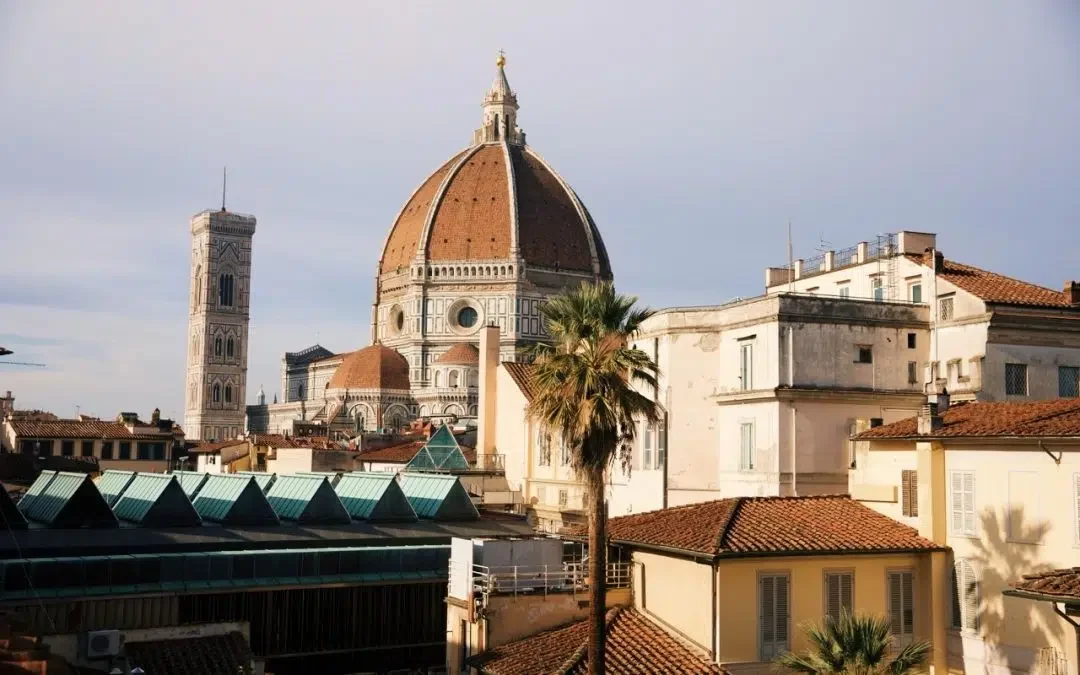
Florence has a way of feeling instantly familiar and completely new at the same time. One moment you are standing beneath the terracotta dome of the Duomo, and the next you are turning down a narrow street where the stones under your feet have carried Romans, merchants, artists, and everyday Florentines for centuries. It is walkable, layered, and endlessly rewarding.
It is also having a big moment. Travel + Leisure named Florence the No. 1 favorite city in Europe in its 2025 World’s Best Awards list, praising exactly what we see every year: Florence is iconic, yes, but it is also deeply livable, rich with art, food, and atmosphere.
A little Florence history, in the most fascinating way
Florence is not only Renaissance. Long before the Medici, the city began as Florentia, a Roman settlement traditionally linked to Julius Caesar’s era, and later developed further under Augustus. From there, Florence grew into a powerful medieval republic where guilds, merchants, and bankers shaped a city that valued craft, intellect, and beauty.
Then came the chapter the world remembers most: the Renaissance, fueled by patronage, ambition, and a competitive spirit that could be as dramatic as it was brilliant. The Medici family’s influence helped turn Florence into the creative engine of Europe, where art and innovation were not only celebrated, but expected.
And one detail many travelers love: Florence even served as Italy’s capital in the 19th century during the early years of unification, a reminder that this city has shaped Italy’s story more than once.
What is Florence best known for?
Florence is best known as the birthplace of the Renaissance and one of the world’s great cities for art, architecture, and craftsmanship.
A few “Florence-famous” highlights:
Michelangelo’s David (and the genius rivalries and egos that shaped the era)
The Uffizi Gallery and its Renaissance masterpieces
Brunelleschi’s Dome crowning the Duomo, still a marvel of engineering
Ponte Vecchio, the storied bridge lined with jewelers
Artisan traditions: leather, gold, paper, perfume, and atelier culture that still thrives
More great things to see in Florence (beyond the headline attractions)
If you want Florence to feel personal, not just iconic, mix a few of these in:
Oltrarno neighborhoods for artisan workshops and a quieter, more local rhythm.
Piazzale Michelangelo at golden hour for the view that makes everyone go silent for a second.
Santa Maria Novella’s historic pharmacy and fragrances (a sensory experience that feels like stepping into Florence’s past). The brand traces its origins to 1221.
Parco delle Cascine for a breath of green space and a beautiful ginkgo biloba moment when it turns golden.
One of our favorite perspectives from the Bella Italy podcast: many travelers arrive knowing Florence is “a must,” but they do not always know why until they have someone bring the stories to life. When you understand what you are seeing, Florence stops feeling like a beautiful backdrop and starts feeling like a living story.
Florence is also a dream for shopping
Florence is one of those rare cities where shopping feels cultural, not just commercial. You can absolutely browse designer boutiques, but the real magic is how close you are to craftsmanship.
Via de’ Tornabuoni is Florence’s most famous luxury shopping street, lined with major Italian fashion houses and jewelers.
Ponte Vecchio is known for jewelry shopping, and it is the kind of place where even window shopping feels fun. At Italy With Bella, we actually recommend not shopping in this area as there are many inauthentic wares and a heightened risk of pick pocketers in the area.
In the artisan districts, you can find leather goods, paper shops, goldwork, and perfume experiences that feel like true souvenirs, not just purchases.
If you tell us what kind of shopper you are, we can tailor the neighborhoods and stops so it feels intentional.
Is Florence an expensive city?
Florence can feel expensive, but it is very manageable with a smart plan.
What typically drives costs:
Hotels in the historic center, especially in peak seasons
High demand museum tickets (and last-minute availability)
Dining on the most tourist-heavy streets
What helps you get better value:
Staying in the right area for your style (still walkable, less “tourist-surge”)
Planning museum timing and tickets in advance (for both cost and sanity)
Balancing a few splurge meals with simple, perfect Florentine classics
A concrete example: the Uffizi ticket has specific pricing, and there is even an afternoon option from 4 p.m. starting in 2026. (We handle these details for clients because the little decisions add up fast.)
Where we love to eat in Florence
Here are a couple Italy With Bella favorites to bookmark:
RISTORANTE BORGO SAN JACOPO
Michelin-star dining near Ponte Vecchio when you want a truly elevated evening.
I FRATELLINI PANINI E SCHIACCIATE
For something casual and beloved: a panino moment that feels very Florence. Quick, satisfying, and perfect between art stops.
Special Italy With Bella experiences in Florence
Florence is one of those cities where the right guide changes everything. Here are experiences we love because they add context, access, and that “we never would have found this on our own” feeling.
Art and icons, done the right way
A private of shared tour of Uffizi & David:
A guided experience that connects the dots between the masterpieces and the humans behind them.
Walks that feel like stepping into real Florence
Artisan walk: paper, gold, leather, perfume
Food tour: Sant’Ambrogio Market, plus Medieval or Renaissance food themes
Kid’s tour: built for families, engaging and age-appropriate
Well-being path: aromatherapy, fragrances, tea, or even a barber experience with natural products
A cooking experience you will always remember
A beautiful private location near Porta Romana (about 15 minutes by taxi from the Duomo). Seasonal menu, typically featuring fresh pasta, sauces, a main course, and dessert, with the option to customize menu and wines.
A rooftop cocktail experience
Our rooftop cocktail experience in Florence pairs golden hour views over terracotta rooftops with beautifully crafted drinks, creating an unforgettable moment above the city where time slows and the skyline does the talking.
Our best Florence advice in one sentence
Do the famous things, absolutely, but let us add the layers: the story, the artisan corners, the local rhythm, and the guidance that makes Florence feel personal instead of overwhelming.