The Magic of the Amalfi Coast: Why Travelers Fall in Love with Italy’s Riviera
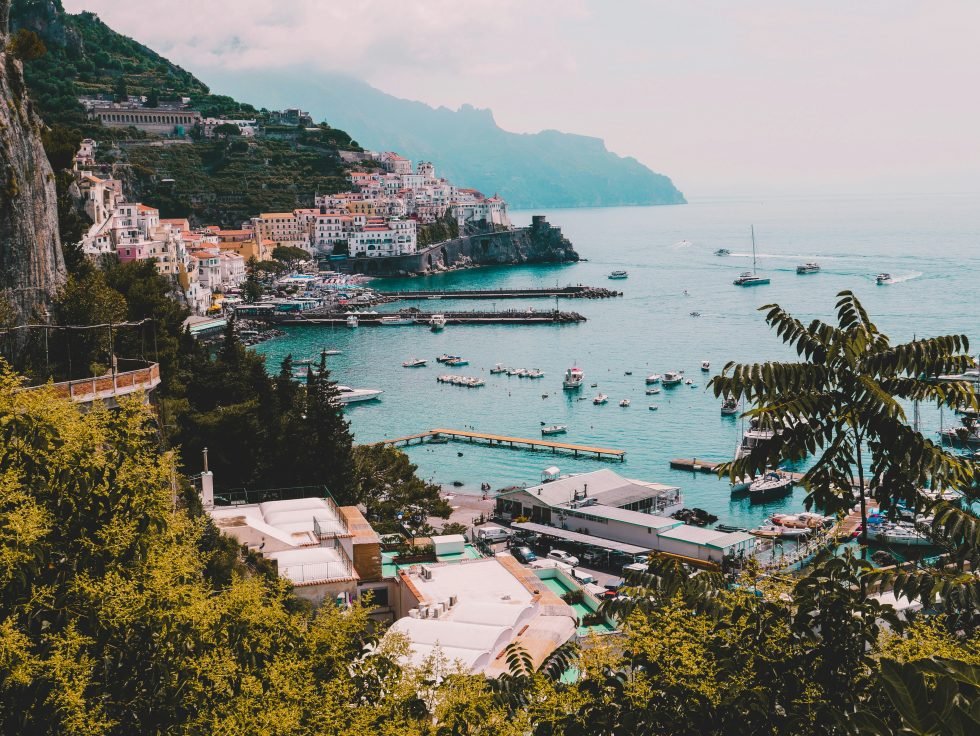
We plan hundreds of Italian itineraries every year, and the Amalfi Coast is almost always in the top four “non-negotiables” people request, right up there with Rome, Florence, and Venice. For honeymooners, milestone anniversaries, or anyone who wants that “pinch-me” Italian moment, Amalfi can deliver.
But here’s the truth we share on our Bella Italy Podcast and with every client: the Amalfi Coast is breathtaking and logistically tricky. Here, a perfect plan matters. The towns cling to cliffs. Streets run one-way. Ferries are seasonal. Positano steps are legendary (your calves will remember them). In peak months, even October now, crowds swell. Get the plan right, and the coast opens like a love story. Get it wrong, and you spend vacation time queueing, lugging, and missing the magic.
This guide blends the romance of Amalfi with the practical wisdom we’ve learned on the ground, so your trip feels effortless, elegant, and unmistakably you.
Where Is the Amalfi Coast and What Major City Is It Near?
The Amalfi Coast curves along the southern edge of the Sorrentine Peninsula in Campania, south of Rome. The nearest major gateway city is Naples (Napoli). At the peninsula’s tip you’ll find Sorrento (north side, facing the Bay of Naples); along the south-facing coast sit Positano, Praiano, Amalfi, Ravello, Minori, Maiori, Cetara, and more.
Why Is the Amalfi Coast So Famous?
Drama at every turn: Pastel villages cascade down cliffs into turquoise coves; terraces of lemons and vines catch the sun; the serpentine SS163 “Amalfi Drive” reveals endless cinematic reveals.
A living culture: Artisanal ceramics in Vietri sul Mare, the limoncello, fishermen mending nets at dawn, and centuries-old churches anchoring tiny piazzas.
UNESCO-listed landscape: Nature and human ingenuity in perfect harmony.
That feeling: You’ll swear you’re inside a movie, but it’s gloriously real.
What’s the Prettiest Part?
Beauty is subjective, but here’s our insider take:
Positano is the poster child. Jaw-dropping from sea or shore, it’s also the most in-demand (read: busiest, priciest, most steps).
Ravello is serenity incarnate – sky-high gardens (Villa Cimbrone’s Terrace of Infinity!), music, and sweeping vistas. No port; you’ll transfer by road.
Amalfi blends history (the Duomo!) with a busy little harbor and easy ferry links.
Praiano, Minori, Maiori, Cetara, Scala, Furore offer a slower rhythm, fewer Americans, and pockets of “real life.” Gorgeous, but consider transport carefully.
Sorrento isn’t technically “on” the Amalfi Coast, but it’s a fantastic base with flatter streets, broader dining options, and easy rail/ferry links, especially for families, mixed-ability groups, and anyone allergic to hauling luggage up 300 stairs.
Our honest answer: The magic is in the mix. See Positano (ideally in shoulder season or for dinner after day-trippers leave), breathe in Ravello’s quiet, and balance it all with a smart base.
Getting There (Without Losing Your Cool)
Fly: Naples (NAP) is your closest airport. Rome (FCO) works with a longer transfer.
Rail + Transfer Options:
To Sorrento: Train to Naples → local rail (Circumvesuviana or Campania Express) → Sorrento → ferry/bus/driver onward.
To Salerno: High-speed train to Salerno, then walk to the marina for ferries up-coast or take a private transfer. We love Salerno as an “easy logistics” base with excellent food.
Private Car/Van Transfers: Stress-free door-to-door from airport or station. Driving yourself is possible but not recommended (narrow roads, scarce parking, summer restrictions).
Ferries (seasonal): April–October is prime. Ferries link Salerno, Amalfi, Positano, Sorrento, and Capri. They’re the prettiest way to travel and often the fastest in high season.
Buses & Taxis: Budget-friendly but crowded in peak months. Expect queues.
Walking & Stairs: Build in time. In Positano, stairs are a way of life.
IWB Pro Tip: Want Positano’s twinkling night lights without hauling bags? Day-trip in by ferry, stay for sunset and dinner, then we arrange a private car back to your base. You enjoy the glow after crowds thin and there is no sprint to the last boat.
Getting Around (Read This If You Love Your Knees)
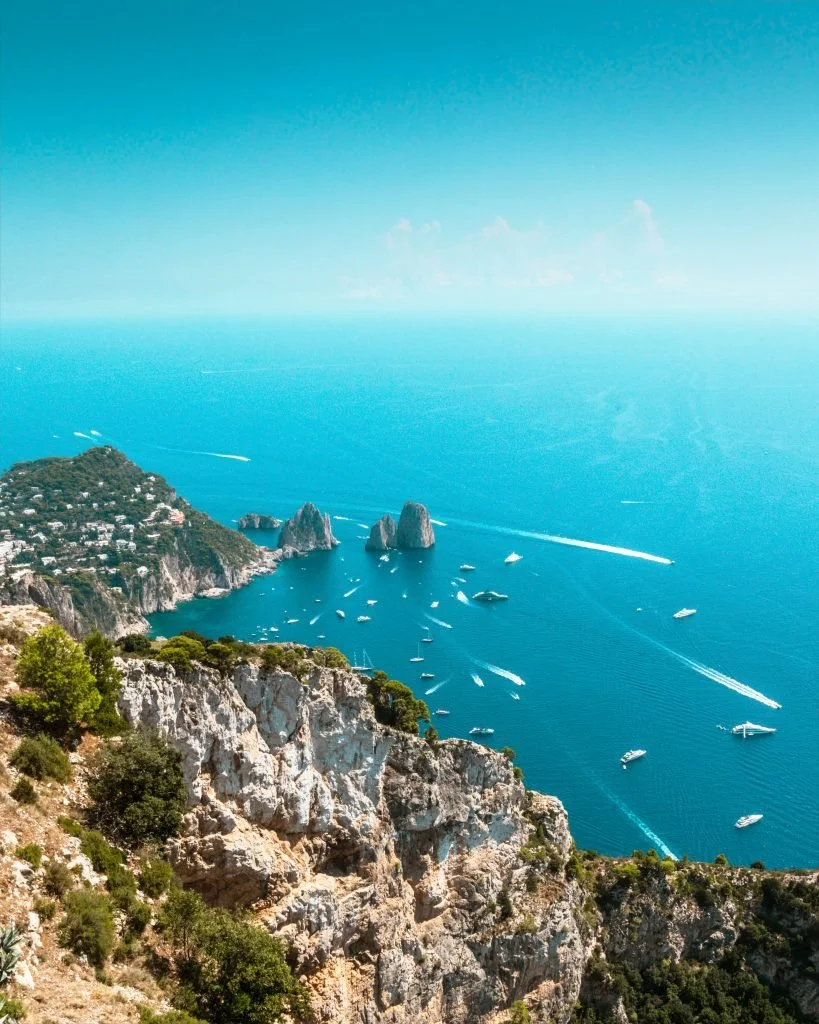
Boat days are bliss: private skippers, swimming coves, Capri or Li Galli islets, lunch on the water.
Road timing matters: a “short” distance can take an hour+ in traffic. One-way loops in cliff towns mean your drop-off spot isn’t always your pick-up spot.
Ravello has no port: It’s a scenic drive above Amalfi with spectacular views, plan transfers.
Praiano has limited ferry access: In shoulder season, plan around road time.
We build routes that minimize back-tracking, time on stairs with luggage, and midday crowds..
Best Time to Visit (And What Each Month Really Feels Like)
Sweet Spots:April–May and September–early October. Warm sun, swimmable seas, flowers or mellow autumn light, and (relatively) manageable crowds. Key caveat from our team on the ground: even October is busy now—book smart.
Month-by-Month Snapshot
Jan–Feb: Quiet, contemplative, many hotels/restaurants closed. Beautiful light; not beach weather.
March: Reawakening; some ferries/hotels reopen late month. Unsettled weather possible.
April: Chef’s kiss. Blossoms, boat days begin, ferries resume. Fewer crowds but still make reservations for dinners.
May: Peak-shoulder perfection. Sea warms. Reserve boats and marquee restaurants.
June: Summer energy arrives. Lively, warmer, lines lengthen. Ferries frequent; book early.
July–August: Hottest, busiest, priciest. Expect queues, sold-out beach clubs, traffic. We recommend smart pacing, or we’ll guide you to alternatives.
September: Dreamy. Warm sea, golden evenings, slightly thinner crowds after week two.
Early October: Still wonderful but now busy. Ferries start tapering late month; storms possible.
Late Oct–Nov: Many places wind down; some close. Quieter, cooler, occasional storms.
December: Festive lights in Sorrento/Salerno; limited coastal operations.
Booking Reality Check: For Positano with a view, 9–15 months ahead is normal in prime months. If your dates are soon, we’ll steer you to the right towns and properties for your goals and budget.
What the Amalfi Coast Is Known For
Lemons & limoncello (the giant sfusato lemons are a wonder)
Sea-to-table cuisine (crudo, fritto misto, spaghetti alle vongole, spaghetti alla Nerano)
Ceramics (Vietri sul Mare’s hand-painted tiles)
Terraced agriculture & heroic vineyards
Iconic drives & hiking (Path of the Gods, Valle delle Ferriere)
Postcard towns (Positano’s vertical palette; Ravello’s ethereal gardens; Amalfi’s Duomo)
Best Things to Do (Our Curated Shortlist)
Spend a day at sea with a private skipper where you can swim caves, cliff-ringed beaches, lunch in Nerano, golden-hour return.
Positano at night: Sunset aperitivo → candlelit dinner → private car back to your base. That hillside of twinkling lights? Unforgettable.
Ravello’s gardens & music: Villa Cimbrone and Villa Rufolo; time your visit for a concert if you can.
Amalfi’s Old Town & Duomo: Espresso on the steps, then wander lemon-scented lanes.
Sorrento flavors: Wide dining scene, rooftop views to Vesuvius, easy day-trips.
Capri or Ischia by boat: Faraglioni swim, Blue Grotto (timing matters), lunch above Marina Piccola.
Hike the Path of the Gods: We’ll position you to avoid the midday heat and the bus crowds.
Ceramics in Vietri sul Mare: Ship home usable art.
Day-trips to history: Pompeii, Herculaneum, Paestum—with expert guides who bring them to life.
Long lunch, no rush: The coast rewards lingering. We’ll book the right table at the right hour.
Where to Stay (And Why It Matters So Much Here)
Positano (iconic & vertical): Spectacular views, limited space, lots of steps. Hotels with porterage and great locations are worth their weight in gold. Many apartments look dreamy online but can sit 20–25 minutes (and 300 stairs) from dinner, plus tricky luggage logistics. We’re choosy here for a reason.
Ravello (peace & panoramas): No port; reach by car. Ideal for serenity lovers, garden wanders, spa days, and couples who want quiet luxury.
Amalfi (historic hub): Lively, central, well-connected by ferry. Great for flexible day-trips.
Praiano / Minori / Maiori / Cetara / Scala (slower, local): Beautiful, fewer Americans, lighter nightlife. In shoulder season, mind ferry schedules and road time.
Sorrento (smart base): Flatter streets, bigger dining scene, excellent access (trains/ferries/transfers). Our go-to for families, honeymooners who want variety without daily stair-climbs, and travelers who value options and value.
Salerno (logistics win): Larger town with a fantastic station and marina.An underrated, food-forward base with easy ferry hops up the coast.
Suggested Pacing (So You Actually Relax)
3–5 nights on/around the coast if you’re combining with Rome/Florence/Venice.
Split bases only if it reduces transfers (e.g., Sorrento/Positano or Salerno/Amalfi).
Build in one full boat day, one slow garden/old-town day, and one “do nothing beautifully” day.
Time marquee towns in off-peak hours (early morning or evening). Let us work the reservations and transport puzzle behind the scenes.
How Italy With Bella Makes Your Amalfi Coast Trip Effortless (and More Authentic)
We’re not booking engines; we’re matchmakers with local partners and an on-the-ground team in Italy that confirms, adjusts, and rescues plans when weather or crowds misbehave.
What we handle for you:
Bespoke routing & bases that fit your pace, budget, mobility, and style (hello, fewer stairs).
Hard-to-get reservations at the right hour (and the right table), plus beach clubs and skipper days.
Smart timing for ferries, hikes, and marquee sights (and shoulder-season schedule changes).
Private transfers that beat traffic patterns and one-way town loops.
Authentic experiences: cooking with a nonna, vineyard terraces at golden hour, artisan workshops in Vietri, guides who unlock Pompeii and Paestum.
Hotels that actually work for Amalfi’s terrain (porterage, location, views worth paying for).
Real-time support from our Italy-based concierges for logistics, confirmations, and on-trip tweaks.
The result: the Amalfi Coast you’ve been picturing minus the guesswork, missteps, and “wish we’d known” moments.
Ready to Plan?
Your Italian dream deserves more than a package tour. Begin your bespoke Amalfi Coast journey with Italy With Bella. We’ll listen, design, and handle the details, so you can simply step into the magic.