What Is the Famous Opera House in Milan? A Guide to La Scala
There are places in Italy that stop you in your tracks the moment you walk through the door. Not because of their size, or their grandeur, but because of the weight of everything that has happened inside their walls. Milan's Teatro alla Scala is one of those places.
Whether you're a lifelong opera devotee or someone who simply wants to feel Italy at its most magnificent, an evening at La Scala is one of those experiences that quietly rewrites what you thought a night out could be.
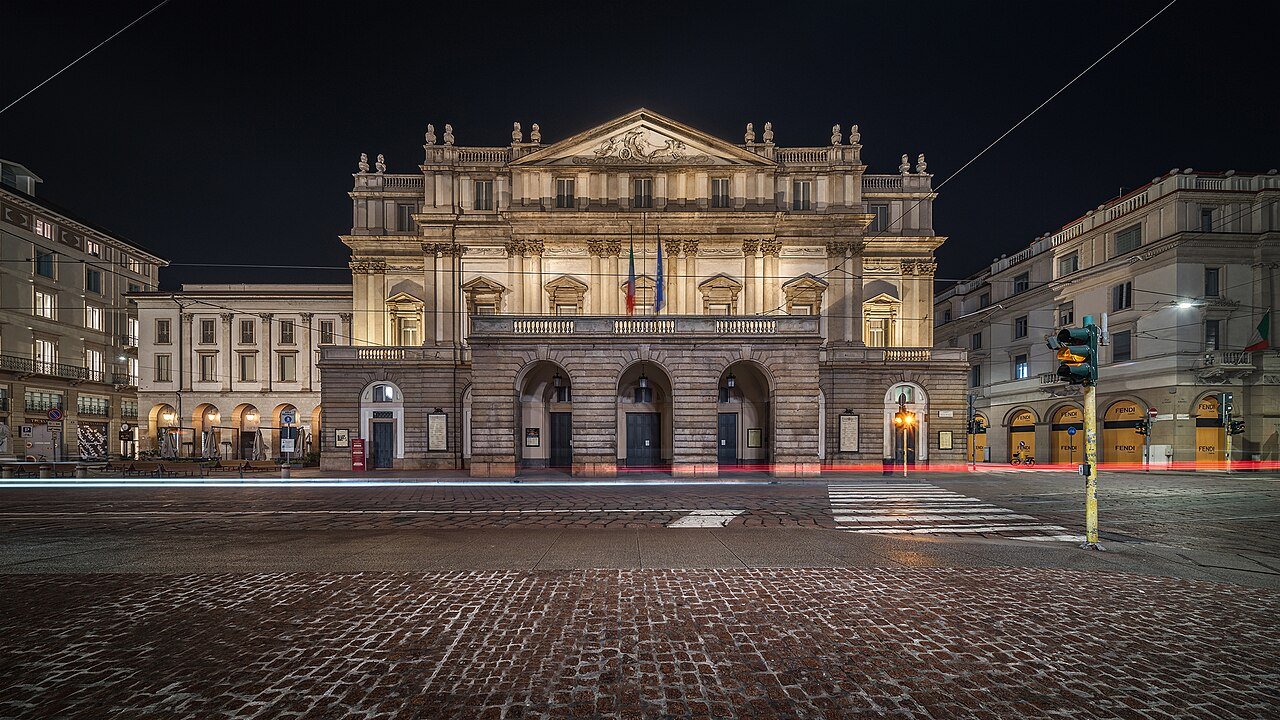
Photo credit: Lucalari84
So, What Is the Famous Opera House in Milan?
The famous opera house in Milan is Teatro alla Scala, known throughout the world simply as La Scala. It sits in the heart of the city, right off the Piazza della Scala, a short stroll from the Galleria Vittorio Emanuele II and the Duomo. In a city famous for fashion and finance, La Scala is something else entirely: it is Milan's artistic soul.
The name itself has a lovely origin. The theatre was built on the site of a church dedicated to Santa Maria della Scala (Holy Mary of the Staircase), and in tribute to that church, the new theatre took on its name. Teatro alla Scala, the Theatre at the Stairway.
A Brief History of La Scala
The story of La Scala begins with fire. In 1776, the Teatro Regio Ducale, Milan's previous opera house, burned to the ground. Empress Maria Theresa of Austria commissioned a replacement, and the great neoclassical architect Giuseppe Piermarini was given the task of designing it.
On August 3, 1778, La Scala opened its doors with Antonio Salieri's opera L'Europa riconosciuta. The building Piermarini created was a marvel of its time: a horseshoe-shaped auditorium designed for both magnificent acoustics and maximum visibility, with tiers of gilded boxes rising toward an extraordinary chandelier fitted with 383 bulbs.
From that opening night forward, La Scala became the stage where Italian opera grew into itself. The composers who chose La Scala to debut their greatest works read like a who's who of the Western musical canon: Rossini, Bellini, Donizetti, and above all, Giuseppe Verdi. Verdi's relationship with La Scala was so profound that many of his most important works premiered there, including Nabucco in 1842, whose chorus Va, pensiero became an anthem of Italian national identity.
The 20th century brought its own chapters. La Scala survived two world wars, including serious bomb damage during World War II that required extensive restoration. The theatre also benefited from major renovations around 1907 and again in the early 2000s, each time preserving the essence of Piermarini's original vision while updating the technical infrastructure for modern productions.
Today, La Scala remains one of the most important and most beloved performance venues anywhere in the world.
Why Is La Scala So Famous?
A fair question, and one with more than one answer.
Its history of world premieres. No other opera house can claim a roster of debut performances quite like La Scala's. When Verdi, Puccini, and Rossini wanted their new works to be heard for the first time, they chose this stage. That legacy accumulates. When you sit in those seats, you are sitting where those first audiences sat, hearing something for the very first time.
Its architectural beauty. The neoclassical facade, the horseshoe auditorium, the tiered boxes, the famous chandelier: La Scala is an aesthetic experience before a single note is played. Architects who design concert halls and opera houses around the world still look to La Scala as a benchmark for both beauty and acoustics.
Its passionate audience. La Scala has one of the most discerning audiences in the world, particularly in the upper gallery known as the loggione. The loggionisti, the regulars who occupy those seats, are famous for their intensity. In the 19th century, audiences were known to throw things at performers they disliked. The standard today is somewhat more civilized, but the energy remains. When a La Scala audience approves of a performance, the eruption of applause is something to witness.
Its living tradition. What makes La Scala more than a museum piece is its continued commitment to excellence. The theatre presents a full season of opera, ballet, and concerts, opens every year on December 7th (the Feast of Sant'Ambrogio, Milan's patron saint and a major civic holiday), and continues to attract the world's finest singers and conductors. This is not a preserved relic. It is a living institution.
How to Get Tickets to La Scala
Tickets can be purchased directly through the official La Scala website at teatroallascala.org, where you'll find the full season programme for opera, ballet, and concerts.
A few things worth knowing before you book:
Book well in advance. For opening night performances and well-known operas like Carmen or Rigoletto, demand is high. If La Scala is part of your Italy itinerary, put tickets on your list the moment you start planning, not the week before you leave.
Explore the seating options. La Scala has seating across multiple tiers, from the stalls at floor level to the ornate private boxes to the upper loggione gallery. Prices vary considerably depending on your position in the house. The gallery is traditionally the more accessible option, both in price and in the passion of the crowd around you.
Look for last-minute deals. One hour before a performance, any remaining tickets become available at the box office at roughly 25% off face value. This requires flexibility, but it's a wonderful option for travelers who are already in Milan.
The museum is always an option. If attending a performance doesn't fit your schedule or budget, the Museo Teatrale alla Scala is open daily and includes access to one of the theatre's lush private boxes overlooking the stage. It's a genuinely special peek inside the building, complete with costumes, instruments, props, and portraits of the composers and singers who shaped La Scala's history.
The Dress Code at La Scala
La Scala takes its dress code seriously, and so should you. This is not a place for shorts and sandals.
The theatre's official policy is clear: guests are expected to dress in keeping with the decorum of the venue, out of respect for the theatre and for fellow audience members. Those wearing shorts or sleeveless tops will not be admitted to the auditorium, and tickets will not be refunded.
For men, the expectation at most performances is a jacket and tie at minimum. For premiere performances, evening dress is requested. In the upper gallery (loggione), the standard relaxes slightly: dark trousers or dark jeans with a dress shirt are generally acceptable.
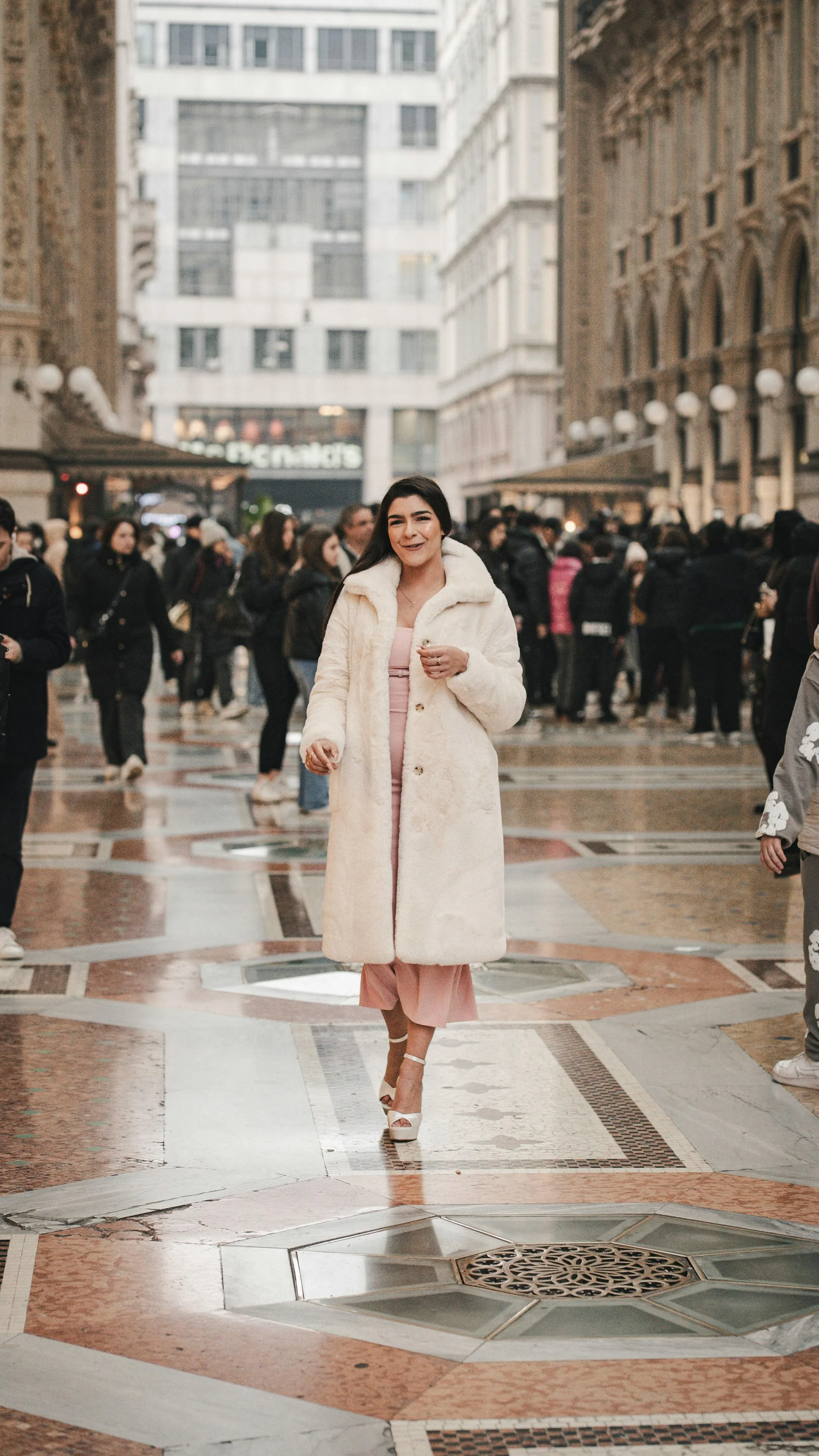
For women, the guidance is to dress for the occasion. A cocktail dress or elegant evening outfit is the spirit of it.
Think of it this way: getting dressed for La Scala is part of the experience. It's an invitation to step into something a little larger than everyday life, and Italy, with its deep appreciation for la bella figura, would say that's exactly as it should be
A Few More Things to Know Before You Go
Arrive early. All performances begin promptly. The theatre recommends arriving at least 20 minutes before curtain-up, and latecomers may not be admitted until a break in the performance.
The season opens on December 7th. If you happen to be in Milan in early December, this is one of the great cultural events in the Italian calendar. The city celebrates Sant'Ambrogio, and the opening night at La Scala is a formal, festive occasion unlike anything else.
The bars are worth a visit during intermission. The theatre offers drinks and light bites in the foyer bars, and you can even pre-book food in advance for selected performances online.
The museum is closed on December 7th, as well as Christmas Day and a handful of other holidays, so worth checking before you plan a museum-only visit.
Making La Scala Part of Your Italy Trip
At Italy With Bella, we plan every trip around the experiences that feel genuinely Italian: not the checklist, but the moments that stay with you long after you've come home. For many of our clients, an evening at La Scala becomes exactly that kind of moment.
Milan is a city that rewards those who take it slowly: an afternoon in the Brera neighbourhood, dinner at a table that doesn't take reservations online, and then an evening inside one of the most important buildings in the history of music. That's the kind of day we love to build.
If you're dreaming of a trip that includes La Scala, or any of Italy's most extraordinary experiences, we'd love to help you plan it.
Ready to explore Italy your way? Reach out to the Italy With Bella team and let's start building your bespoke Italian journey.