Milan
Milan Travel Guide
Style, culture, and modern Italy at its most vibrant
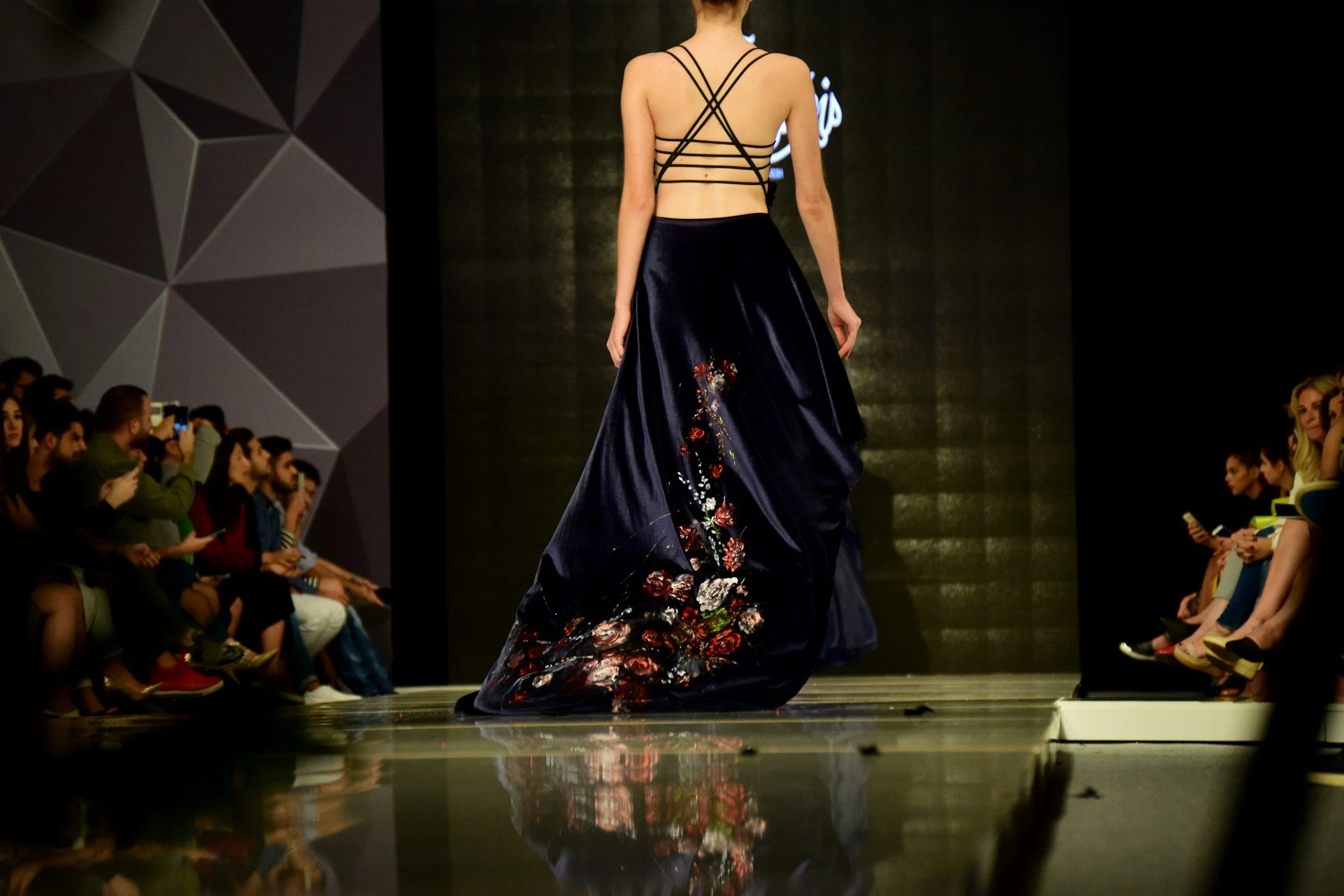
Milan is often described as Italy’s fashion capital, but that description only scratches the surface. Milan is a city where history and innovation meet, where Renaissance masterpieces coexist with cutting edge design, and where the energy feels distinctly modern while still deeply Italian.
For travelers exploring northern Italy, Milan offers a fascinating contrast to the slower rhythms of Tuscany or the romance of Venice. It is confident, creative, and full of cultural depth.
At Italy With Bella, we design Milan itineraries that reveal both the city’s iconic landmarks and the vibrant neighborhoods where contemporary Italian life unfolds.
Why Milan Is So Special
Milan is Italy’s most cosmopolitan city. It has long been a center of commerce, design, and artistic influence.
What makes Milan remarkable:
World renowned art and architecture
A thriving fashion and design scene
Sophisticated dining and aperitivo culture
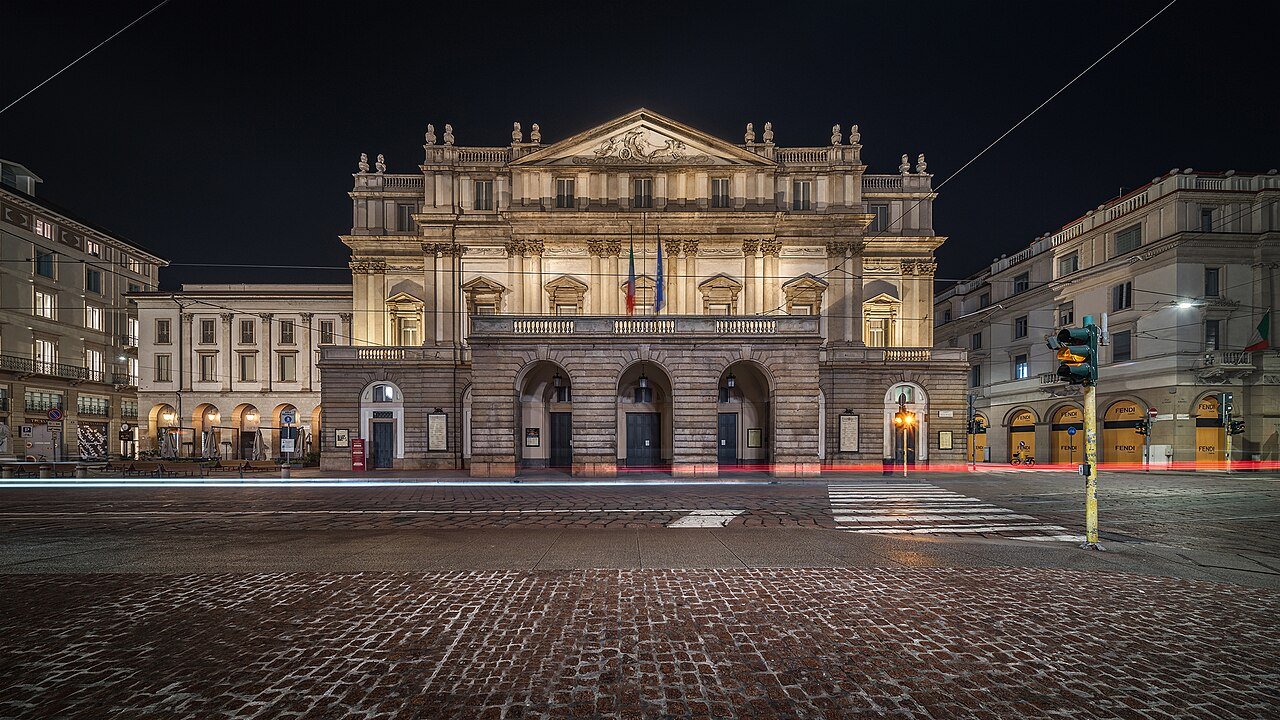
Historic landmarks woven into a modern city
Milan is ideal for:
Art and design lovers
Travelers interested in contemporary Italian culture
Guests exploring northern Italy
Visitors who enjoy vibrant cities with a refined edge
Milan reveals a side of Italy that feels dynamic and forward looking.
What to Experience in Milan
Iconic Architecture and Landmarks
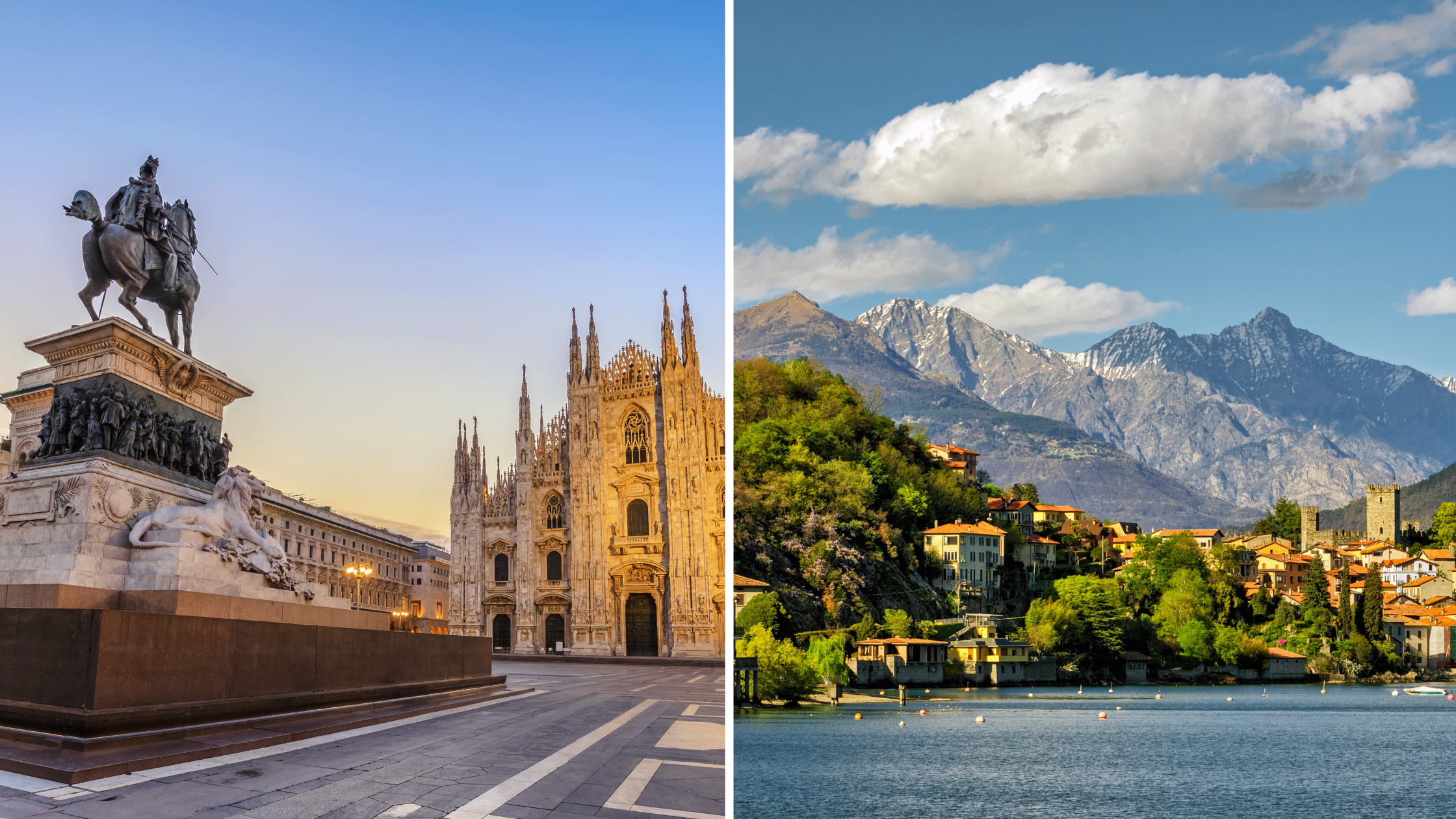
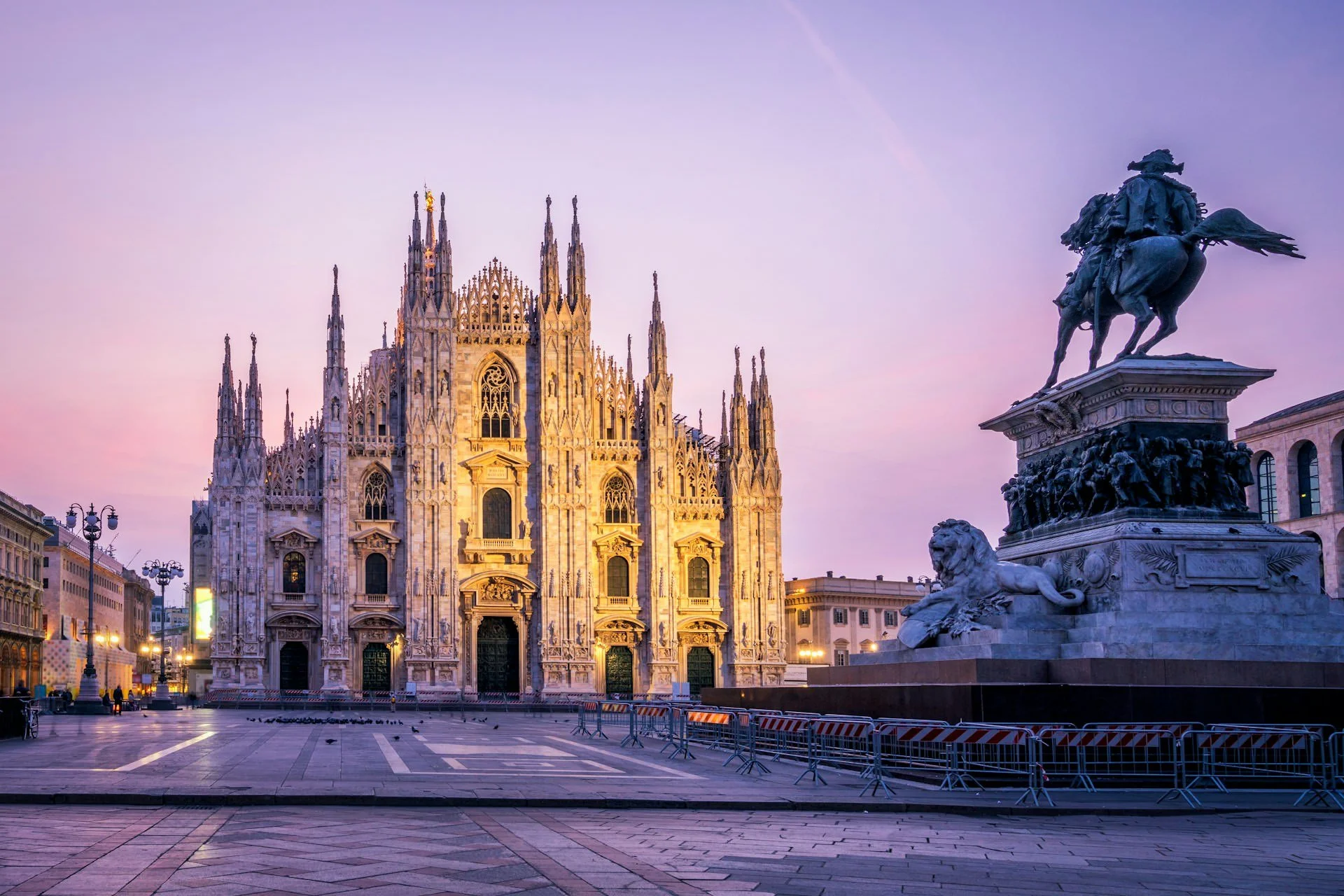
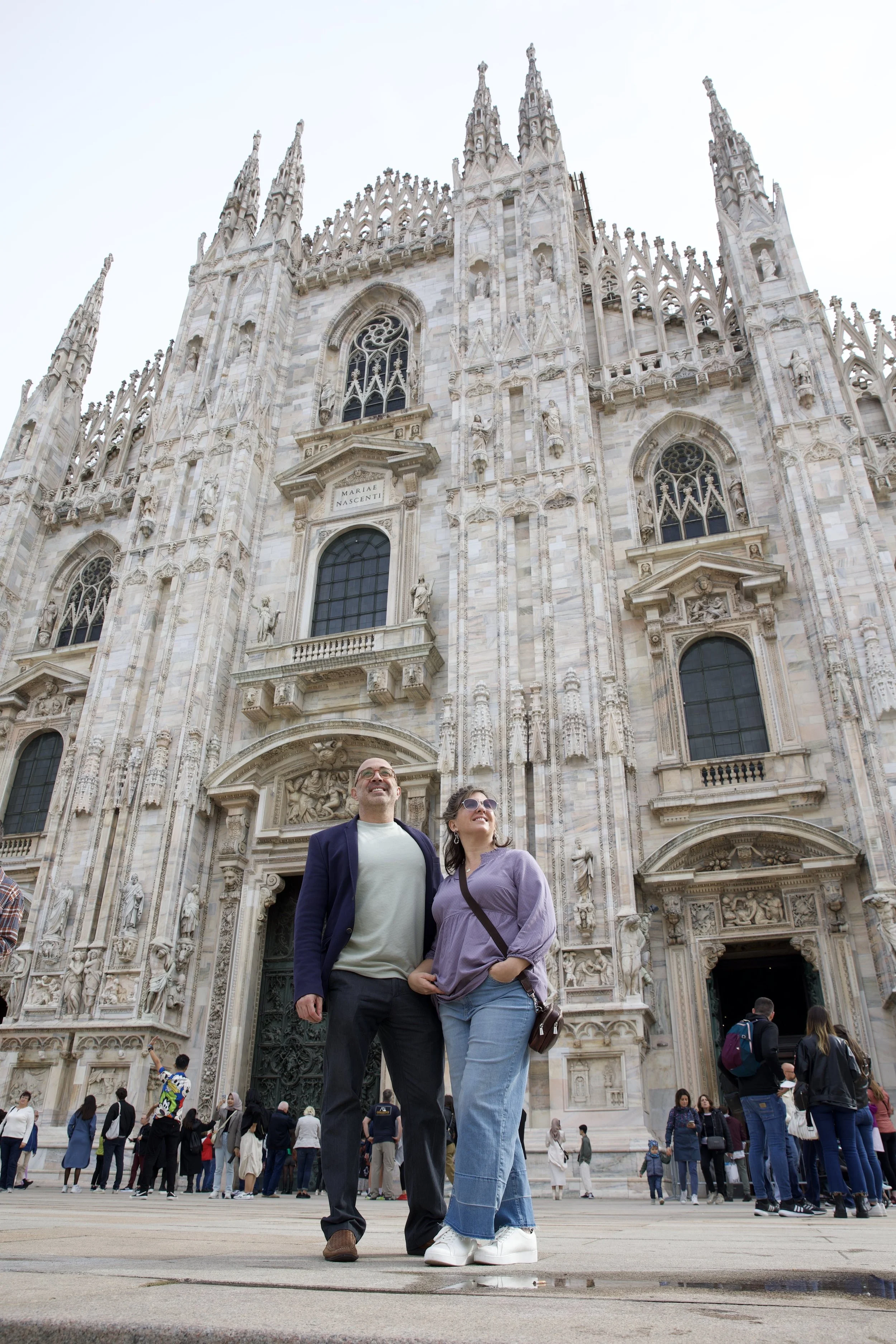
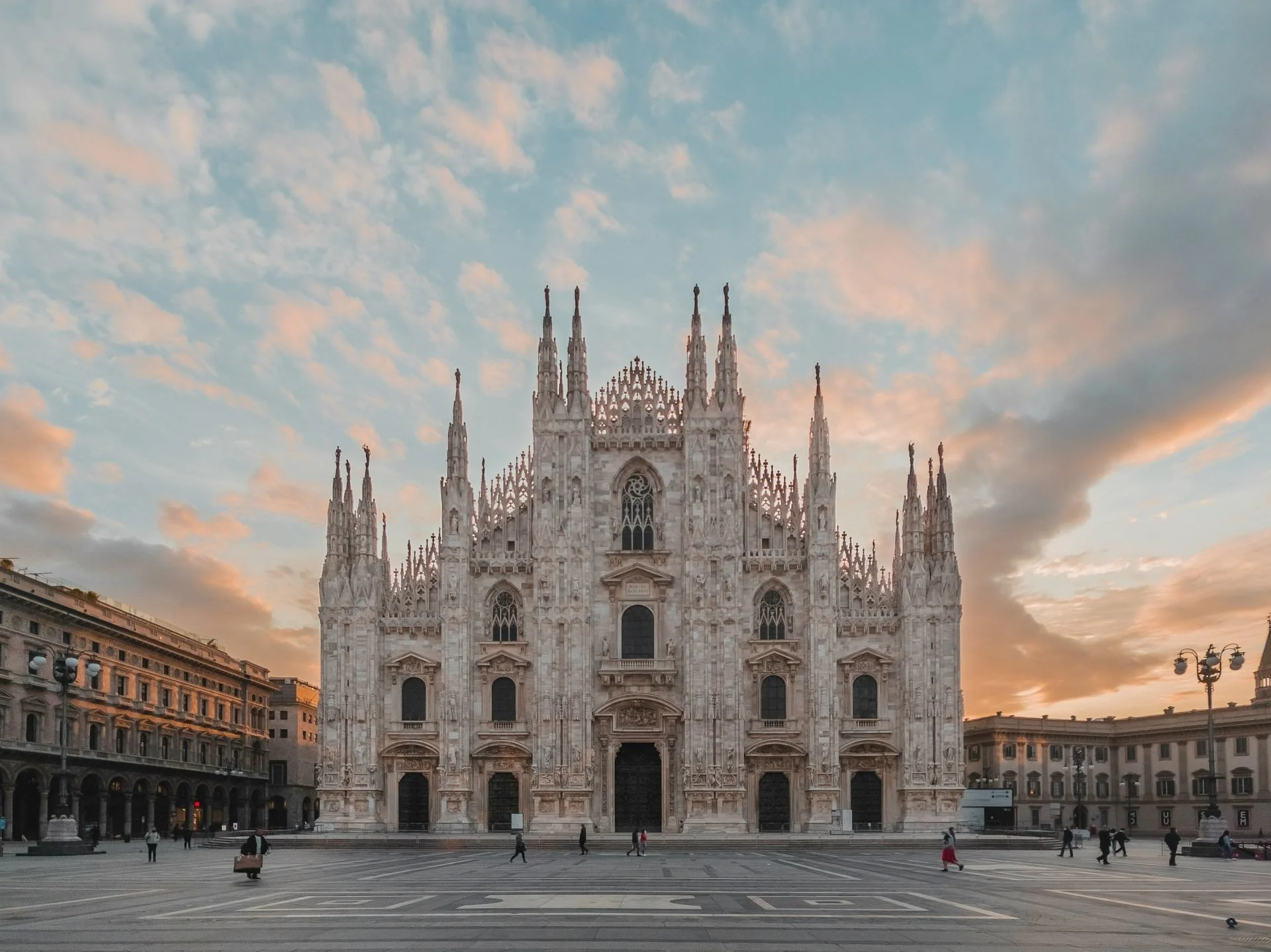
Milan’s skyline is anchored by one of Italy’s most extraordinary cathedrals.
Climbing to the rooftop terraces of Milan Cathedral
Walking through the elegant glass domes of Galleria Vittorio Emanuele II
Discovering historic piazzas that anchor the city
These landmarks capture Milan’s grandeur and artistic ambition.
Art That Defines the Renaissance
Milan is home to one of the most famous artworks in the world.
Viewing The Last Supper by Leonardo da Vinci
Exploring museums that showcase centuries of Italian creativity
Visiting churches that quietly hold artistic treasures
With expert guidance, Milan’s artistic heritage becomes both fascinating and deeply human.
Neighborhood Life and Aperitivo Culture
Beyond the monuments, Milan’s neighborhoods bring the city to life.
The artistic streets of Brera
Canal side cafés in Navigli
Evening aperitivo traditions that blend food, conversation, and atmosphere
These everyday moments reveal Milan’s true character.
Where Milan Fits in an Italy Itinerary
Milan often serves as a gateway to northern Italy.
We typically recommend:
2 to 3 nights to experience the city comfortably
1 to 2 nights if using Milan as a stylish introduction or finale
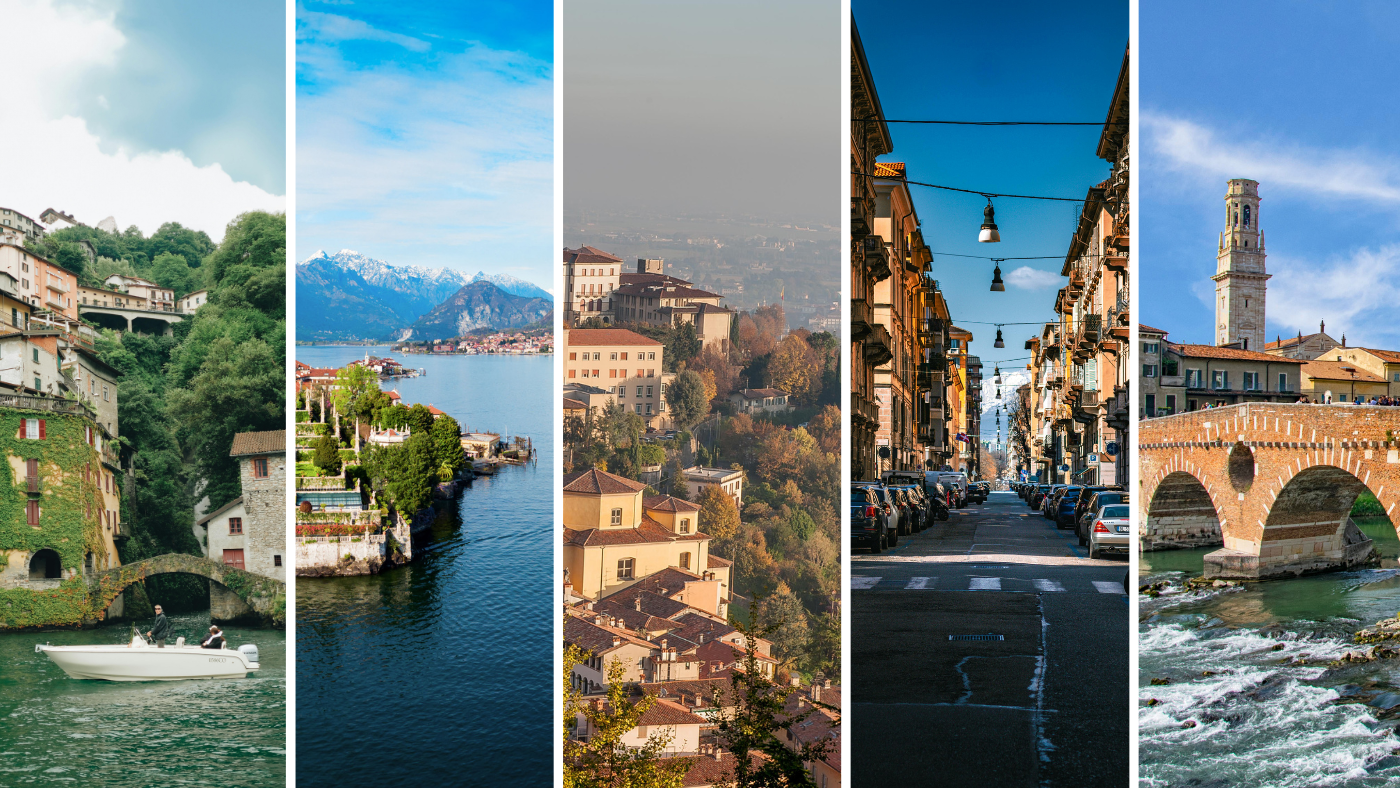
Milan pairs beautifully with Lake Como, Venice, the Italian Lakes, or the Piedmont wine region.
When to Visit Milan
Milan shines in multiple seasons.
Best months: April, May, September, and October
Spring highlight: Design Week brings extraordinary creativity to the city
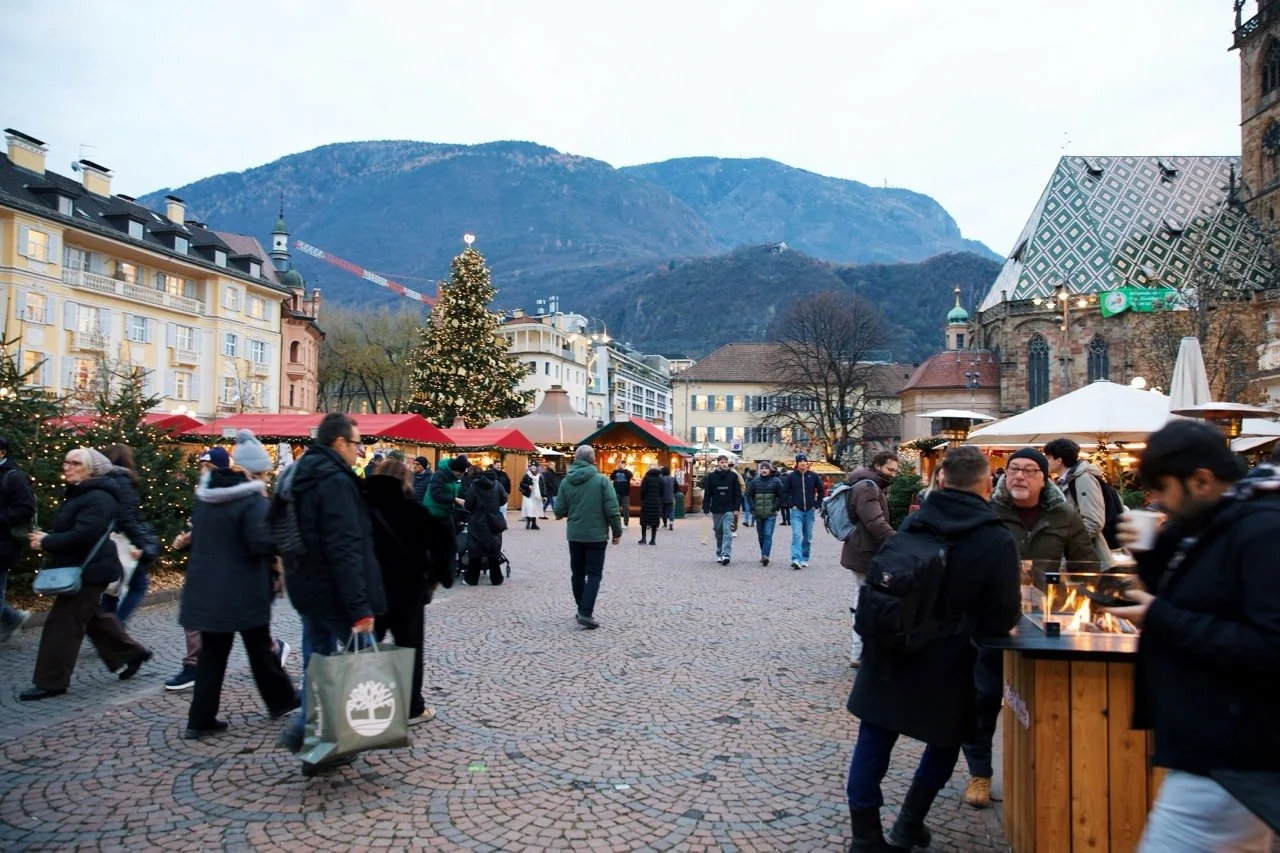
Winter note: Milan can feel atmospheric and festive during the holiday season
We guide clients toward the timing that best matches their travel interests.
How Italy With Bella Plans Milan
Milan rewards thoughtful planning, especially for its most sought after experiences.
We:
Arrange expert guides for art and architecture tours
Recommend neighborhoods and restaurants that reflect local life
Design city stays that balance culture with relaxation
Our Milan itineraries often blend iconic sights with contemporary experiences that reflect the city’s creative energy.
Milan Travel FAQs
How many days do you need in Milan?
Two to three days allows time for major landmarks and neighborhood exploration.
Is Milan worth visiting on a first trip to Italy?
Yes, particularly for travelers interested in art, design, and modern Italian culture.
Do you need a car in Milan?
No. Milan’s metro, trams, and walkable neighborhoods make getting around easy.
Is Milan good for shopping?
Absolutely. Milan offers everything from historic boutiques to world famous fashion houses.
Ready to Experience Milan with Italy With Bella?
Milan is sophisticated, creative, and endlessly fascinating.
Tell us what draws you to the city, and Italy With Bella will design a Milan itinerary that blends culture, style, and discovery.