A Romantic Weekend in Verona: What to Do Beyond Juliet's Balcony
Most people arrive in Verona for Shakespeare. They leave for everything else.
There is a moment that happens to almost every traveler who visits this city: they glance at the famous balcony on Via Cappello, take their photo, and then wander a few streets deeper into the historic center, only to discover that the real Verona was hiding in plain sight all along. A Roman amphitheater older than the Colosseum. Medieval bridges reflecting in the Adige at golden hour. Wine made from grapes dried on ancient hillsides. Piazzas where locals have gathered since the days of the Roman Empire.
Verona is a UNESCO World Heritage Site, and it has earned that designation not through one story, but through centuries of layered history. A weekend here, done well, can be one of the most deeply satisfying experiences northern Italy has to offer.
Start at the Arena di Verona, and Let It Astonish You
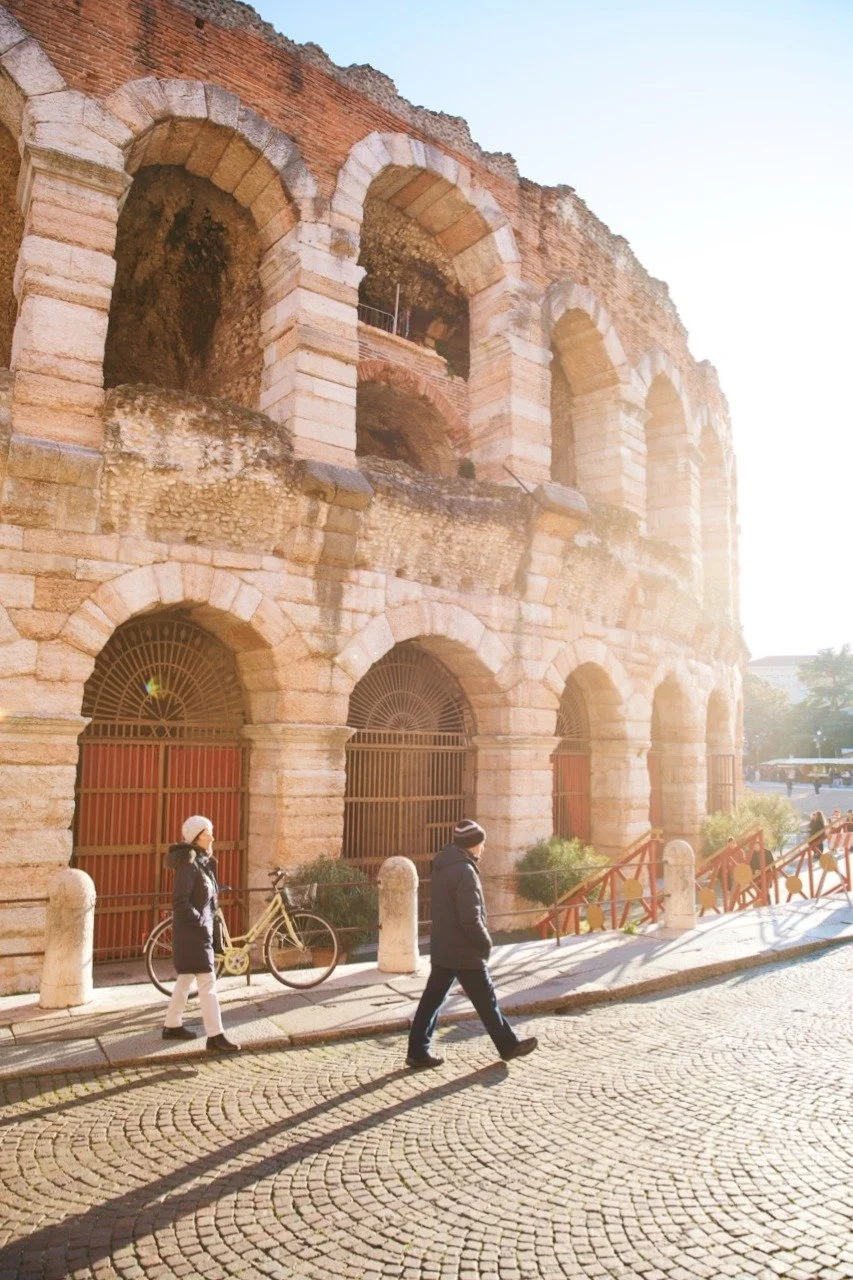
Before anything else, make your way to Piazza Bra and stand in front of the Arena. This is a Roman amphitheater built around 30 AD, making it older than Rome's Colosseum, and unlike the Colosseum, visitors can walk freely through the entire structure, up through its ancient stone tiers, and out to sweeping views over the city.
What makes the Arena particularly remarkable is that it is still very much alive. Every summer from June through September, it hosts a world-class opera festival under the open sky. Productions of Aida and Verdi classics have been performed on this stage for over a century. The stone seating accommodates up to 30,000 people, and the acoustics, shaped by nearly two millennia of architecture, are extraordinary. If your timing is right, attending an opera here is one of those travel experiences that stays with you for the rest of your life.
Even if you visit outside the opera season, spend time inside the Arena. Visit early morning or late afternoon when the light is soft and the crowds are thinner. Then linger over an Aperol Spritz at one of the cafes ringing Piazza Bra, and let the scale of what you are looking at fully sink in.
Piazza delle Erbe: The Heart of the City Since Roman Times
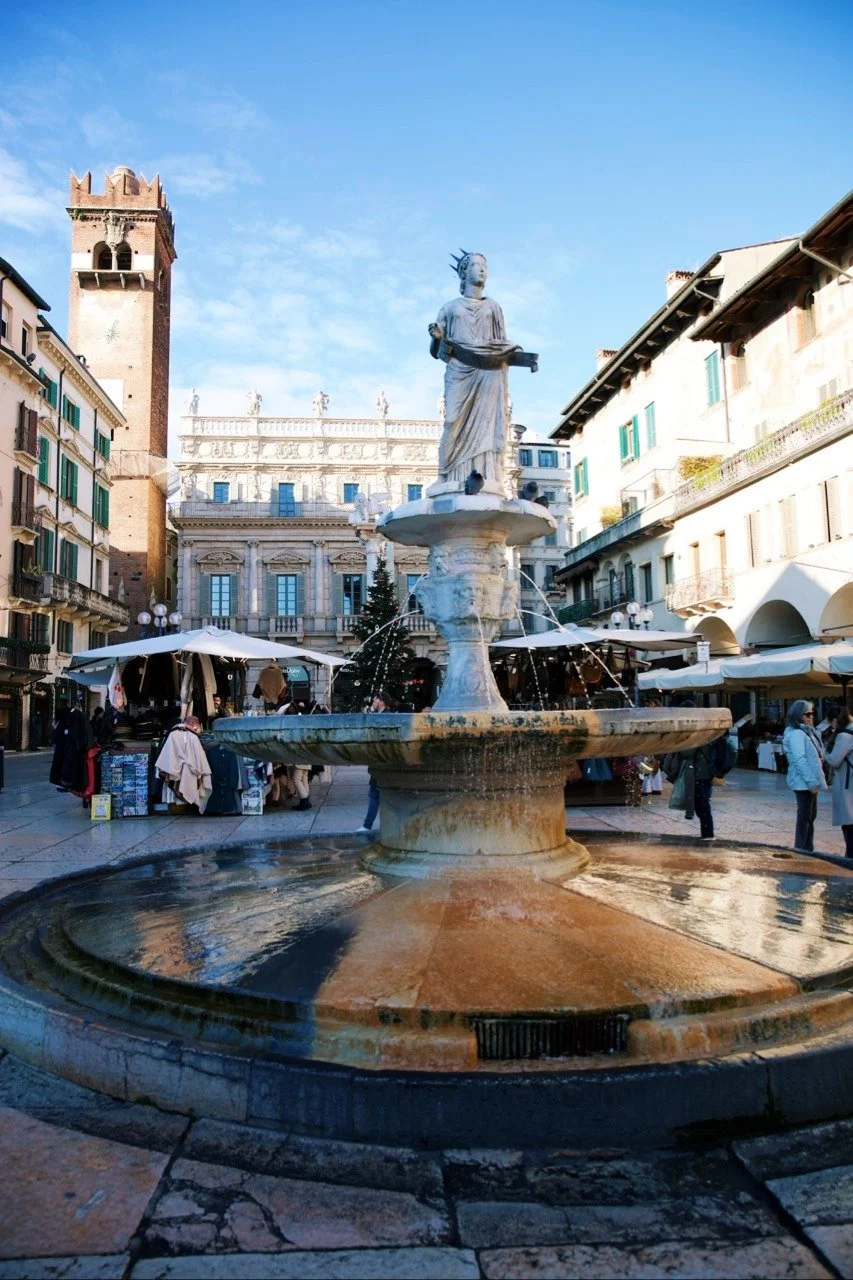
A short walk from the Arena, Piazza delle Erbe is the oldest square in Verona, built on the footprint of the ancient Roman forum. It has been the center of daily life in this city for centuries, and it still feels that way. Market stalls run down the center. The buildings surrounding the piazza are frescoed and layered with Renaissance detail that most people walk past too quickly to notice.
The best time to be here is early evening, when the aperitivo hour transforms the piazza into something effortlessly beautiful. Grab a table outdoors, order a glass of local Valpolicella, and watch the light change on those medieval facades. This is the Italy that travelers come searching for, and in Piazza delle Erbe, it is not curated for tourists. It simply is.
Just off the piazza, peek into Piazza dei Signori, the more elegant, quieter sister square anchored by a statue of Dante. The Scaligeri family, who ruled Verona during the Middle Ages, built their power here, and the architectural harmony of the surrounding buildings reflects that ambition.
Castelvecchio and the Bridge That Steals Every Photograph
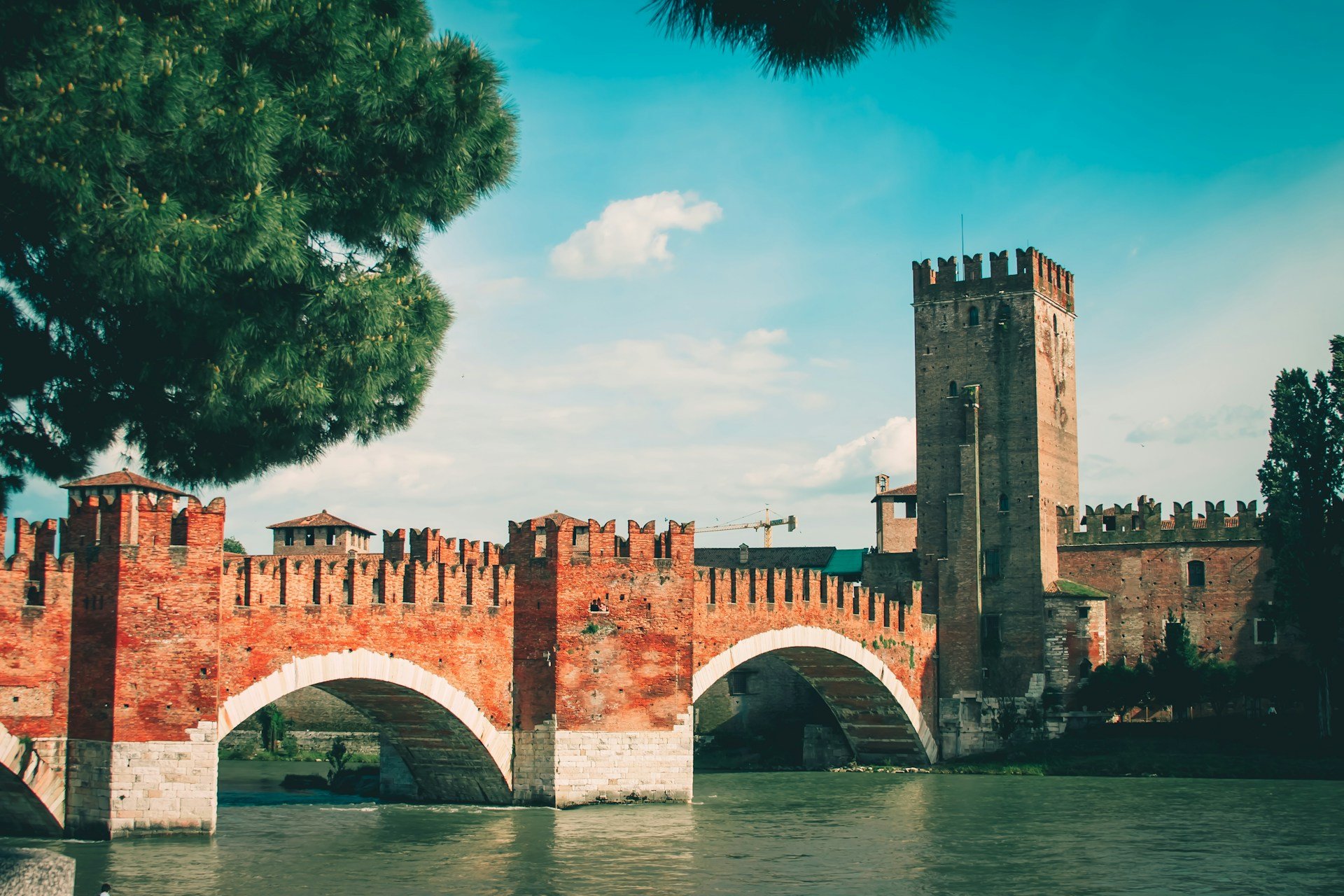
Walk west along the Adige River to Castelvecchio, the 14th-century fortress built by the Scaligeri dynasty. The castle now houses a museum with an impressive collection of Veronese art spanning medieval through Renaissance periods, including works by Pisanello and Paolo Veronese.
But what most visitors remember is the Ponte Scaligero, the medieval bridge attached to the castle. Built in alternating bands of red brick and pale stone, with dramatic crenellated towers, it is one of the most photogenic bridges in Italy. Walk across it in the late afternoon when the river reflects gold and the mountains materialize in the distance. This is the kind of moment Verona offers without announcement, around almost every corner.
Basilica di San Zeno Maggiore: Verona's Most Underrated Treasure
A short walk beyond Castelvecchio, and well outside the usual tourist circuit, the Basilica di San Zeno Maggiore is one of the finest examples of Romanesque architecture in all of northern Italy. The church was built to honor Verona's fourth-century patron saint, and its bronze doors, cast in panels depicting scenes from the Old and New Testament, are extraordinary works of medieval craft that predate the cathedral period of construction.
Inside, Mantegna's altarpiece dominates the apse, and the crypt below holds the remains of San Zeno himself. According to local tradition, this is also where Romeo and Juliet were secretly married, which gives the basilica a quiet romance entirely its own.
Come on a Sunday morning and you will find the neighborhood's weekly antique market set up in the piazza outside, a genuine, unhurried local tradition where old postcards, Murano glass pieces, and handmade objects are spread across vendor tables while Veronesi leisurely browse.
Climb to Piazzale Castel San Pietro for the View That Changes Everything
If you do one thing in Verona to orient yourself to the city's full beauty, climb to Piazzale Castel San Pietro. You can walk the steep path or take the funicular from the river's edge. At the top, the entire city unfolds below you: the terracotta rooftops, the curve of the Adige, the Roman Theatre nestled into the hillside, the Arena anchoring the far side. At sunset, this viewpoint is genuinely breathtaking.
On your way down, stop into the Roman Theatre itself, a well-preserved ancient performance space that now houses an Archaeological Museum. It is considerably less visited than the Arena, and for that reason, feels like a discovery.
Giardino Giusti: A Renaissance Garden Hidden in Plain Sight
Across the river in the quieter Veronetta neighborhood, the Giardino Giusti is one of Italy's most celebrated Renaissance gardens. Laid out in the late 16th century, the garden rises dramatically up a cypress-lined hillside behind a noble palazzo. Goethe visited in 1786 and wrote admiringly of its beauty. Mozart performed here as a child.
Today, the garden remains largely unchanged in spirit: geometric hedges, citrus trees, ancient statuary, and at the upper terrace, a panoramic view over Verona's rooftops and the river below. It is peaceful in a way that city centers rarely are, and it offers a completely different kind of beauty from the medieval streets just across the Adige.
What to Eat in Verona: Let the Region Lead You
Verona's cuisine reflects its position at the meeting point of northern Italian traditions: the rice paddies of the Po Valley, the mountain pastures of Lessinia, the fishing villages around Lake Garda, and the vineyards of Valpolicella. The dishes here are honest, hearty, and deeply tied to the land.
The dish to order is risotto all'Amarone. Made with Vialone Nano IGP rice, Monte Veronese DOP cheese, and a generous pour of Amarone della Valpolicella wine, it turns a deep, wine-stained purple as it cooks, and delivers a richness unlike any risotto you will find elsewhere in Italy. It is the flavor of this region in a single bowl.
Other things worth seeking out: bigoli, Verona's thick, rustic pasta traditionally made with buckwheat flour and served with duck ragu or sardines and onion; gnocchi, which Veronesi have eaten on Thursdays since the Middle Ages; and lesso con la pearà, boiled beef served with a peppery breadcrumb sauce that goes back to the city's earliest recorded recipes.
For a classic dinner experience, Antica Bottega del Vino near Piazza delle Erbe has one of the most remarkable wine cellars in Italy, with over 18,000 bottles, and a menu that reads as a guide to traditional Veronese cooking. For a more local, tucked-away feel, look for osterie with red and white checkered tablecloths down the streets near the river, particularly along Via Sottoriva, the old Roman road that runs under medieval arcades by the Adige.
The Valpolicella Hills: A Day in Italy's Most Celebrated Wine Country
Verona is the gateway to one of Italy's greatest wine regions, and if you have a full weekend, half a day in the Valpolicella hills is time extraordinarily well spent. The wine country begins just a 20-minute drive from the city center.
The Valpolicella region produces four distinct wines worth understanding. Valpolicella Classico is the everyday red, bright and fruit-forward, made from Corvina, Rondinella, and Molinara grapes. Ripasso is made by re-fermenting Valpolicella on the leftover grape skins from Amarone production, giving it added body and complexity. Amarone della Valpolicella DOCG is the flagship, made through the appassimento process, in which harvested grapes are dried for three to four months before fermentation, concentrating their sugars and creating a rich, full-bodied wine that can age for decades. And Recioto, the sweet red wine made from the same process, is Verona's traditional dessert companion.
A visit to a family-run winery in the hills above Verona, with a guided tasting that walks you through each wine alongside local meats and cheese, is exactly the kind of experience that transforms a trip from a list of sights into something genuinely memorable.
Our Honest Take on Juliet's Balcony
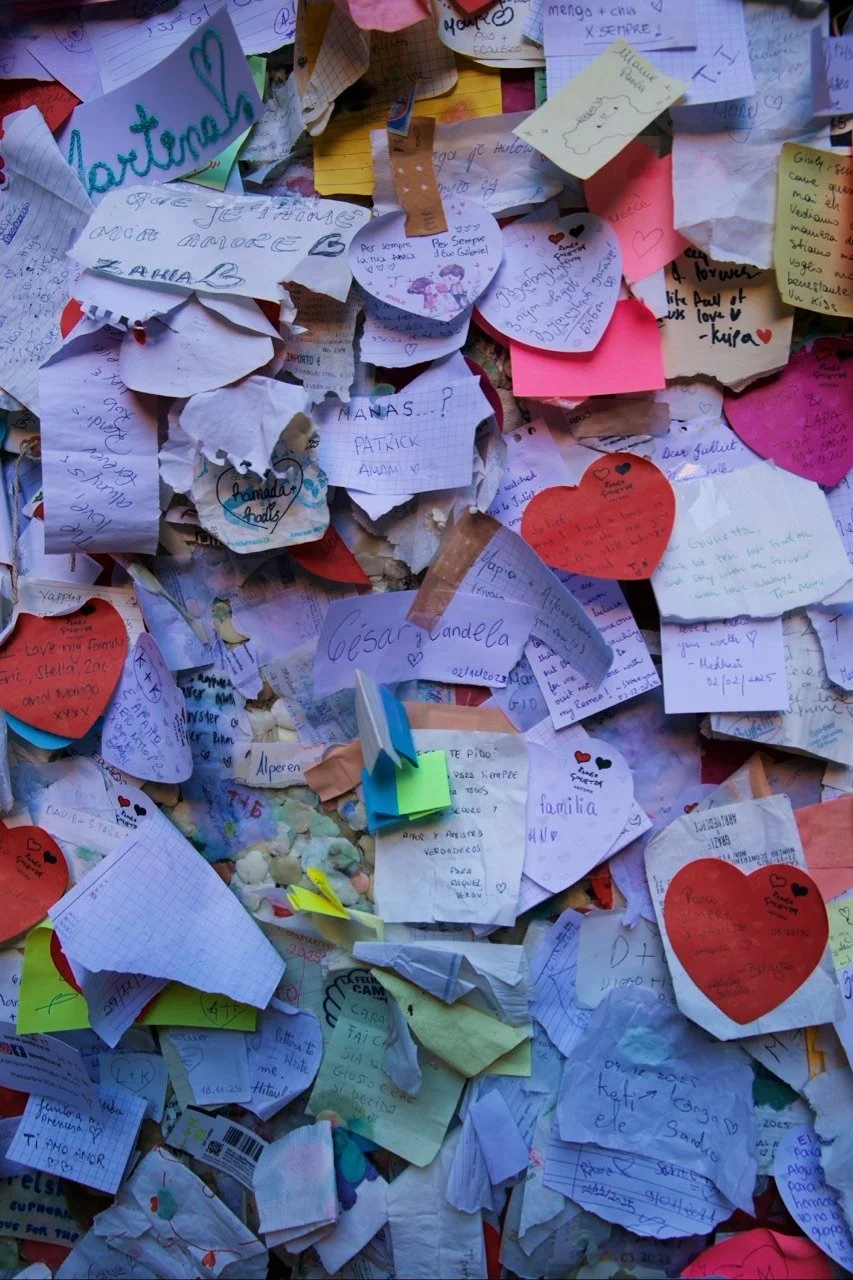
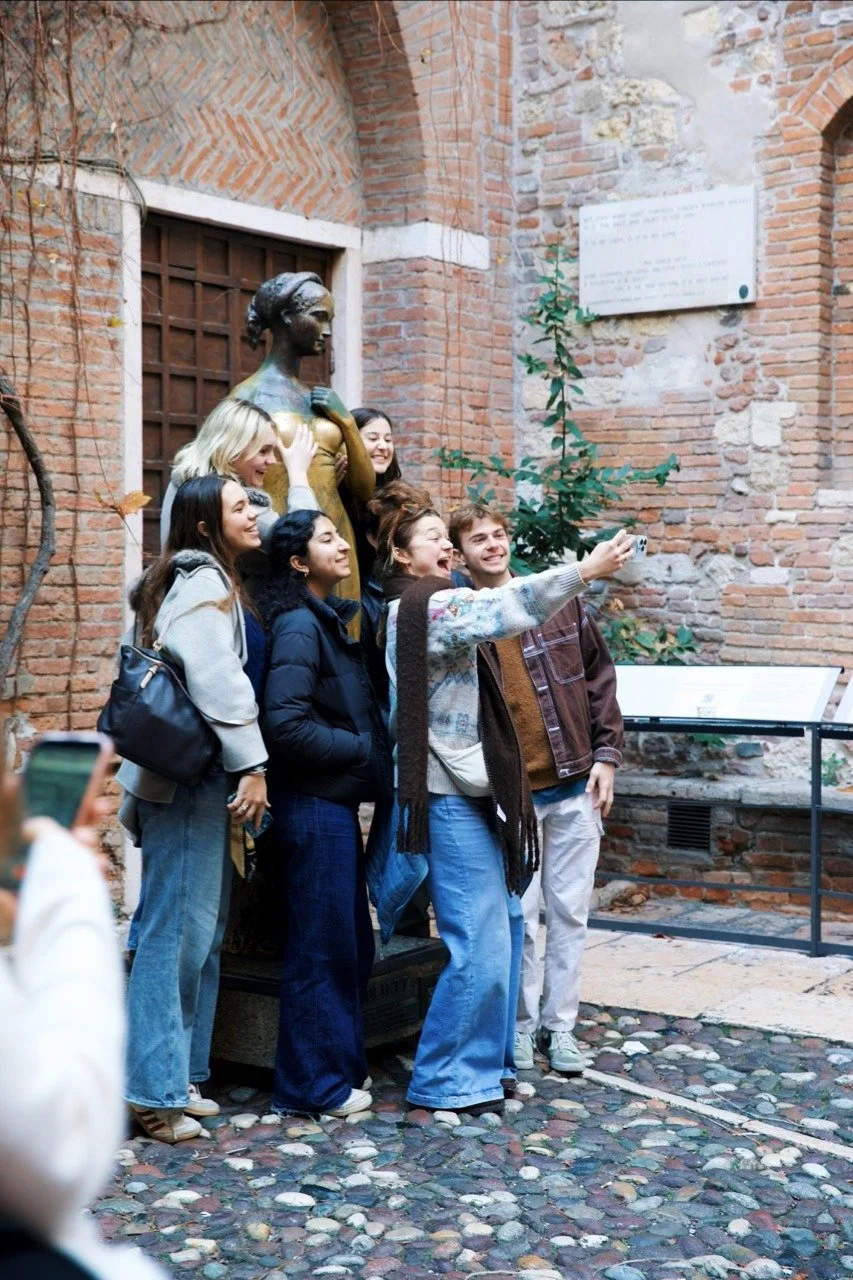
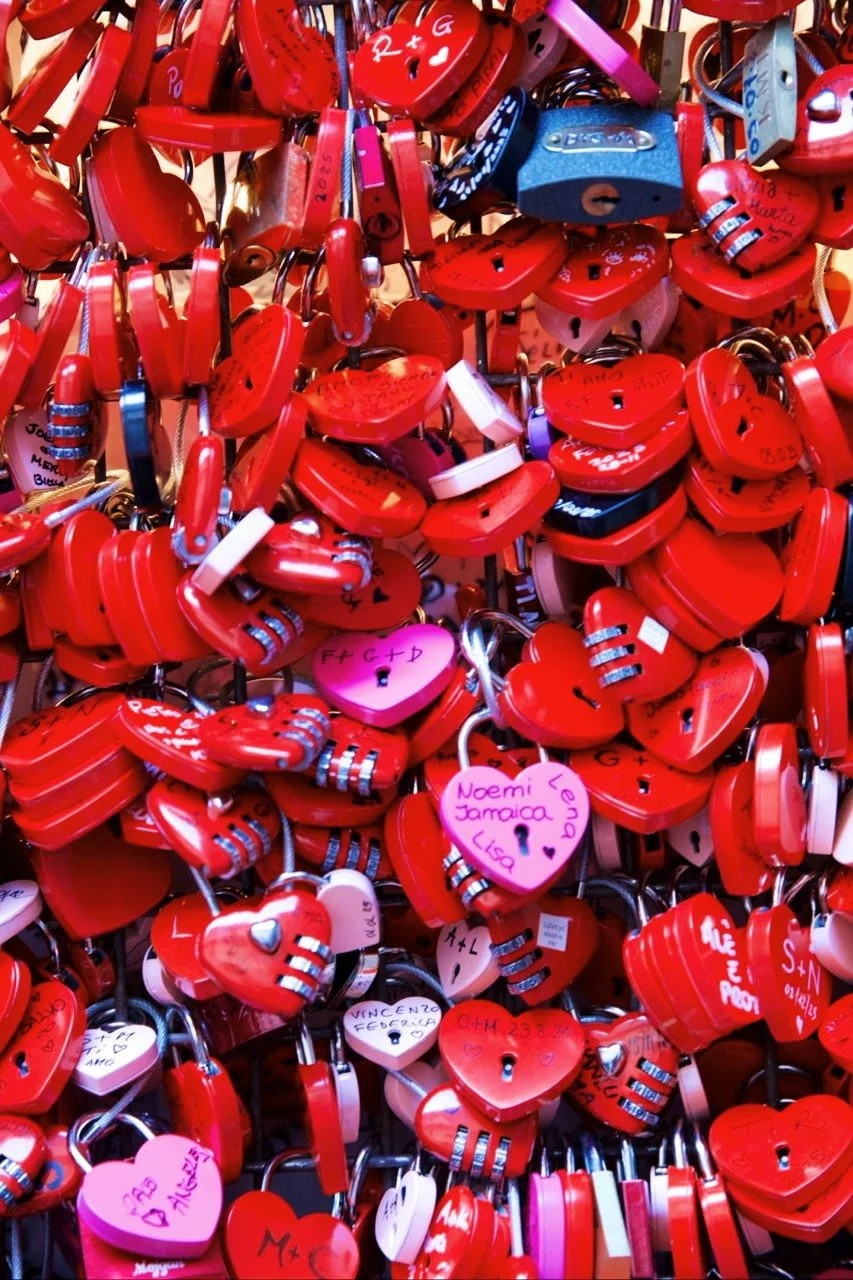
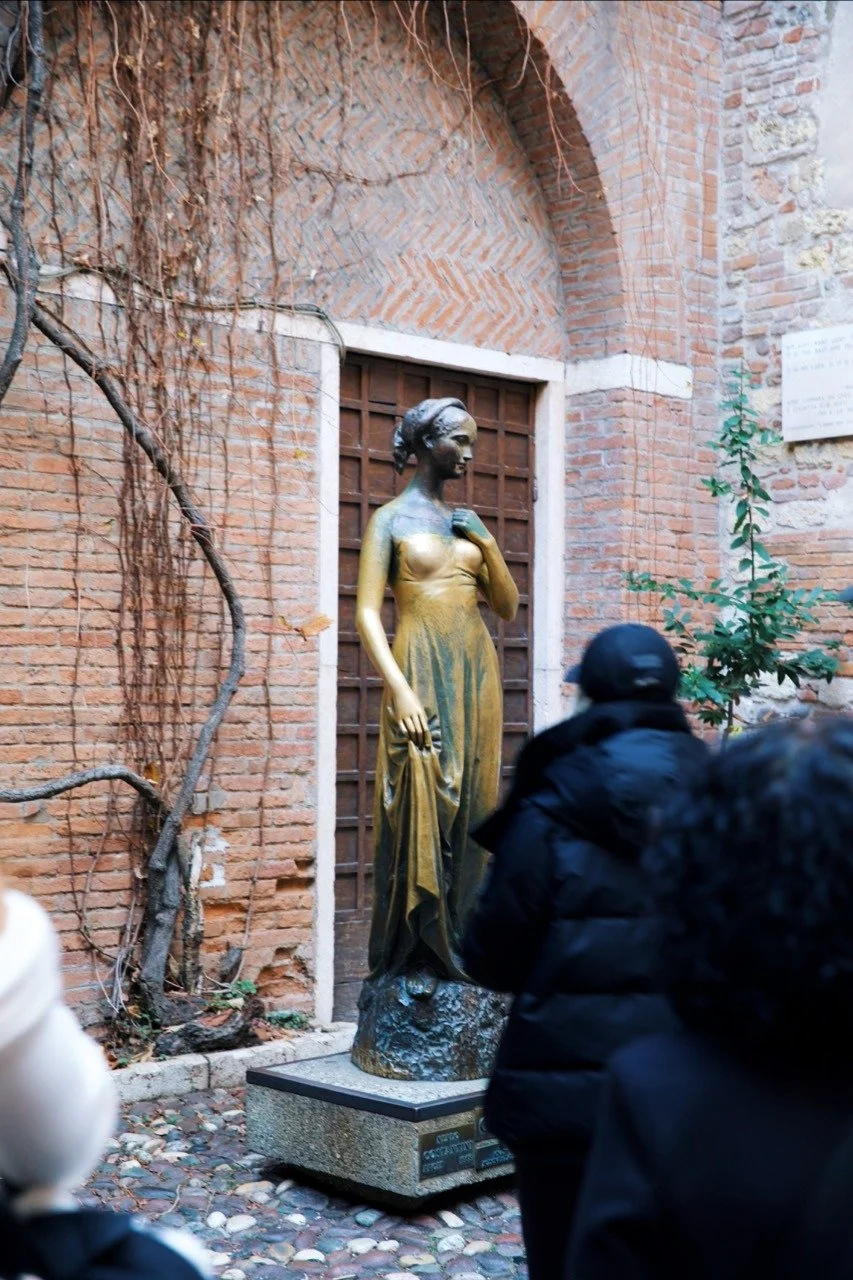
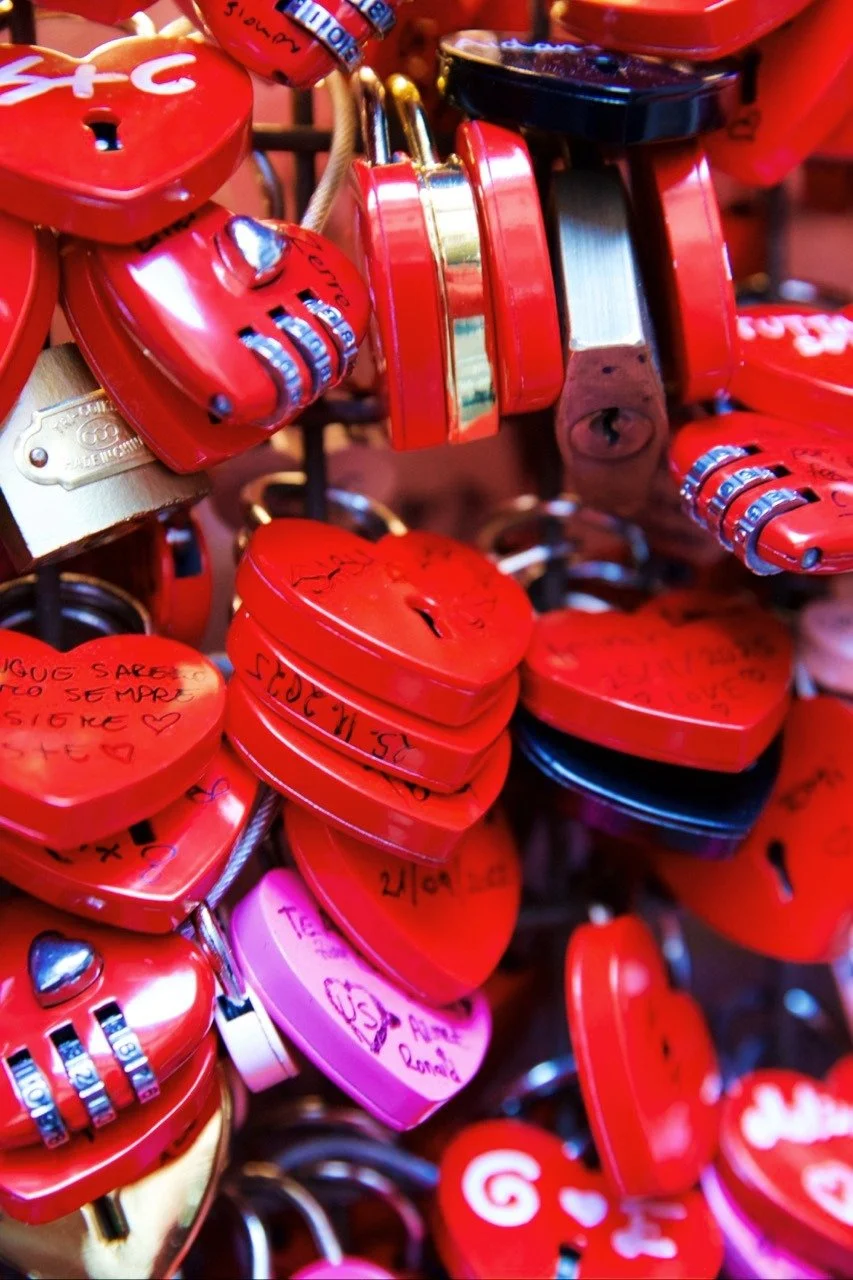
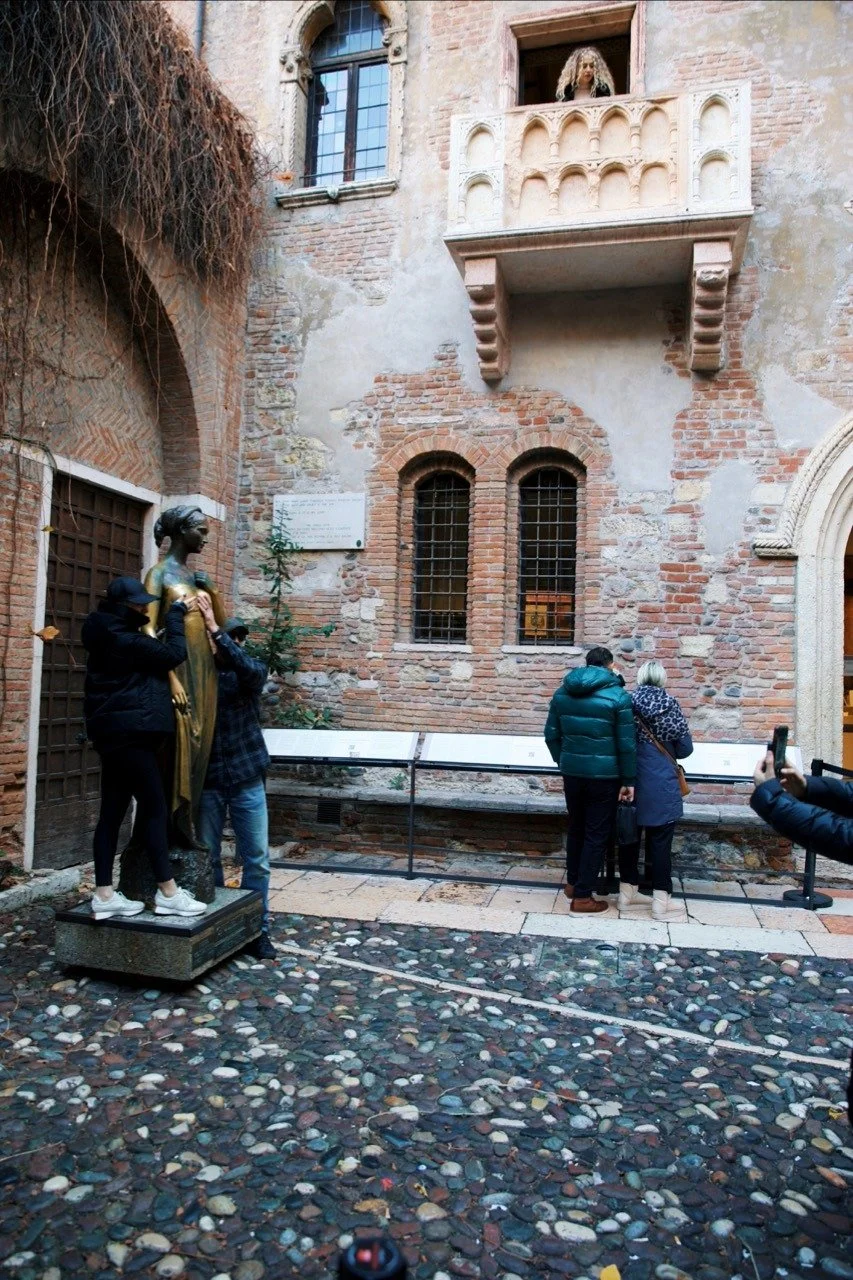
You will want to walk past it, at least. The small courtyard on Via Cappello, with its bronze statue of Juliet and the ivy-covered balcony above, is chaotic and covered in love notes, and yes, unmistakably touristy. The building itself is genuinely medieval, though the balcony was added in the 20th century as a nod to the play. Romeo and Juliet are fictional characters, and Shakespeare himself never set foot in Verona.
All of that said, there is something joyful about the place when you arrive at the right time, either early in the morning before the tour groups, or in the evening as the light softens. Millions of people have passed through that courtyard with love on their minds, and that accumulation of feeling is not nothing.
Visit it. Spend 20 minutes. Then walk deeper into the city, and find the Verona that will actually stay with you.
When to Visit Verona
Verona is a year-round destination, but each season offers a different experience. Spring (April through June) brings mild temperatures, blossoming gardens, and the buildup to opera season. Summer is when the Arena opera festival runs from June through September, and evenings in the piazzas become long, golden, and festive. Autumn brings the wine harvest in Valpolicella, truffle season in the surrounding hills, and a welcome thinning of crowds. Winter is Verona at its most local: Christmas markets in Piazza dei Signori, fewer tourists, and the city as it lives for itself.
If attending the opera is a priority, book tickets months in advance. The festival is one of the most beloved events in Italy's cultural calendar, and performances sell out quickly.
How to Use Verona as a Base in Northern Italy
One of Verona's most practical virtues is its location. From Verona Porta Nuova station, Venice is about an hour by train. Milan is roughly 90 minutes. Bologna is an hour. Lake Garda's southern shore is just 30 minutes by car.
For travelers moving through northern Italy who want to avoid the density of Venice or the pace of Milan, Verona offers something rare: a city that is genuinely grand in its history and cultural depth, manageable on foot, and still fully lived-in by people who call it home. That combination is harder to find than it looks on a map.
A Final Word from Us
Verona is one of those cities that rewards patience. The travelers who arrive looking only for the balcony often leave a little puzzled. The travelers who wander past it, who sit down in Piazza delle Erbe without a plan, who order the risotto and try the Amarone and climb to the viewpoint at dusk, those are the ones who come back.
Italy does not reveal itself to people in a hurry. Verona is a perfect place to learn that lesson.
Ready to plan your time in Verona? We would love to help you build an itinerary that shows you the city the way a local would. Reach out to us anytime.