Christmas in Italy: What to Expect, Where to Go, and Why It's Worth the Trip
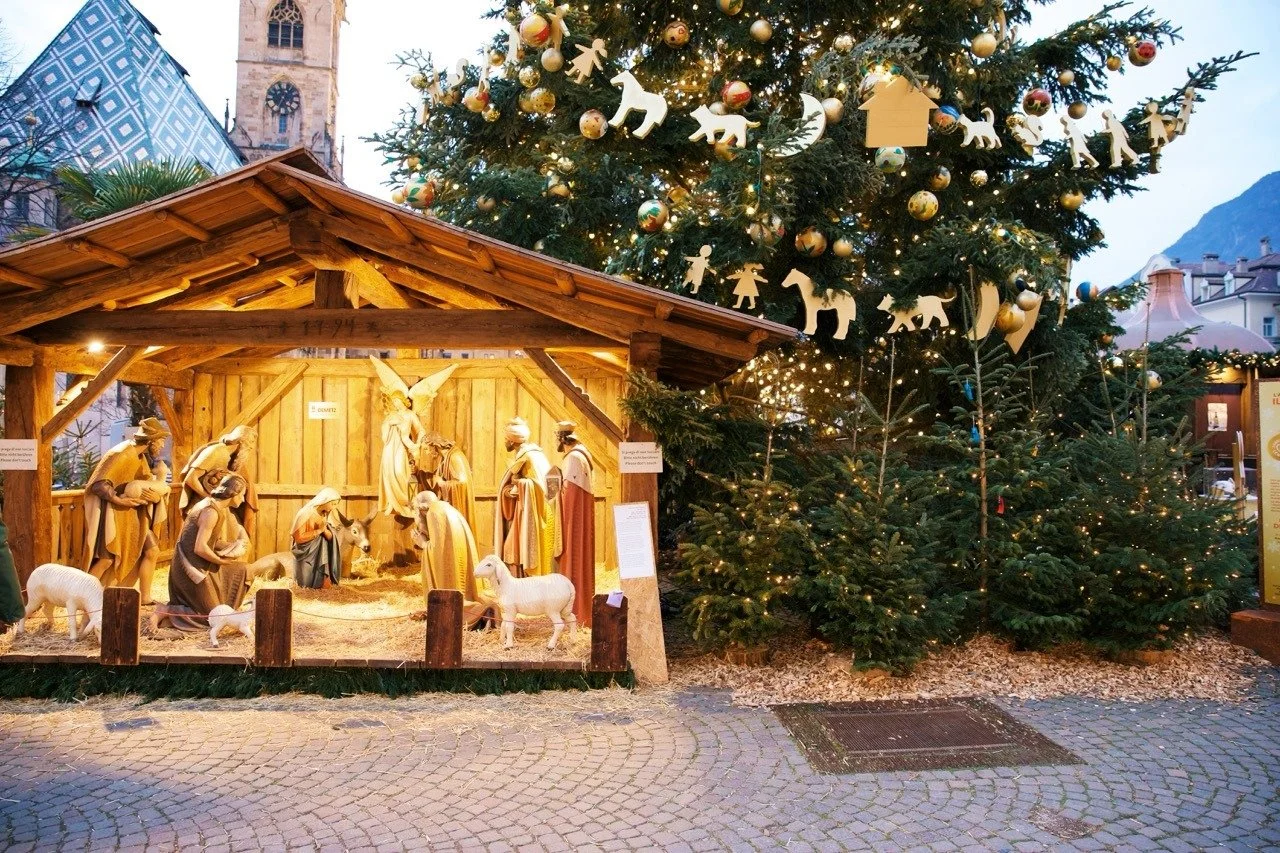
There is a version of Italy that most travelers never see: quiet piazzas lit by strings of white lights, the smell of roasting chestnuts drifting from a market stall, church bells calling families to midnight Mass. This is Italy in December, and it is one of the most rewarding times of year to visit if you know what to expect and where to go.
Christmas in Italy is not a single day. It is a season, one steeped in centuries of tradition, regional pride, and food that anchors the whole holiday. Here is what our clients ask us most, and our honest answer on whether a Christmas trip to Italy is worth it.
Is Italy Worth Visiting at Christmas?
Yes, and for reasons that go well beyond the markets. December brings a version of Italy's major cities and small towns that feels closer to how locals actually live. The summer crowds thin out, hotel rates in most regions ease, and the country leans fully into its own traditions rather than performing for tourists.
That said, this is not a beach holiday or a countryside road trip season. Some restaurants, shops, and family-run sites close for a stretch around December 25 and 26, and daylight is short. If your image of Italy is long golden evenings in a vineyard, save that for spring or fall. If you want twinkling piazzas, warm food, and a slower, more intimate side of the country, December delivers.
What to Expect
The Italian Christmas season officially begins on December 8, the Feast of the Immaculate Conception, when towns switch on their lights and families assemble their nativity scenes. It runs all the way through January 6, the Feast of the Epiphany, so the decorations and markets you see in early December will still be up well into the new year.
Expect cool, often crisp weather across most of the country, with genuine cold and occasional snow in the north and the mountains, and milder, damp weather in the south. Rome and Florence sit somewhere in between: coat weather, but rarely brutal. Days are short, with sunset well before 5pm in December, so mornings and early afternoons are the best window for sightseeing.
Plan around two key closures. December 25 is a full stop across the country. Museums, restaurants, and shops close, and even taxis can be hard to find. December 26, known as Santo Stefano, is also a public holiday with many businesses closed or on reduced hours. Book your Christmas Day and Christmas Eve meals well in advance, and confirm which of your must-see sites operate around the holiday before you build your itinerary.
IWB Tip: Plan around the holiday, not through it. We never schedule sightseeing or transitions between cities on December 25. Build in a slow, low-key day and let your hotel or host handle the details. This is when Italy rewards patience, not a packed itinerary.
Italian Christmas Traditions to Know
Understanding a few core traditions will change how you experience the season, whether you are watching from a piazza or seated at a table with locals.
La Vigilia, the Feast of the Seven Fishes
Christmas Eve dinner in Italy is traditionally meat-free, rooted in the Catholic custom of abstaining from meat the night before a major feast day. In the south especially, this takes the form of La Vigilia, a multi-course seafood dinner sometimes built around seven dishes. Expect baccala, calamari, seafood pasta, and plenty of wine, with the specific menu shifting from region to region. Christmas Day itself brings the bigger, meat-centered meal, il pranzo di Natale, often built around stuffed pastas in the north and baked lasagna or ravioli further south.
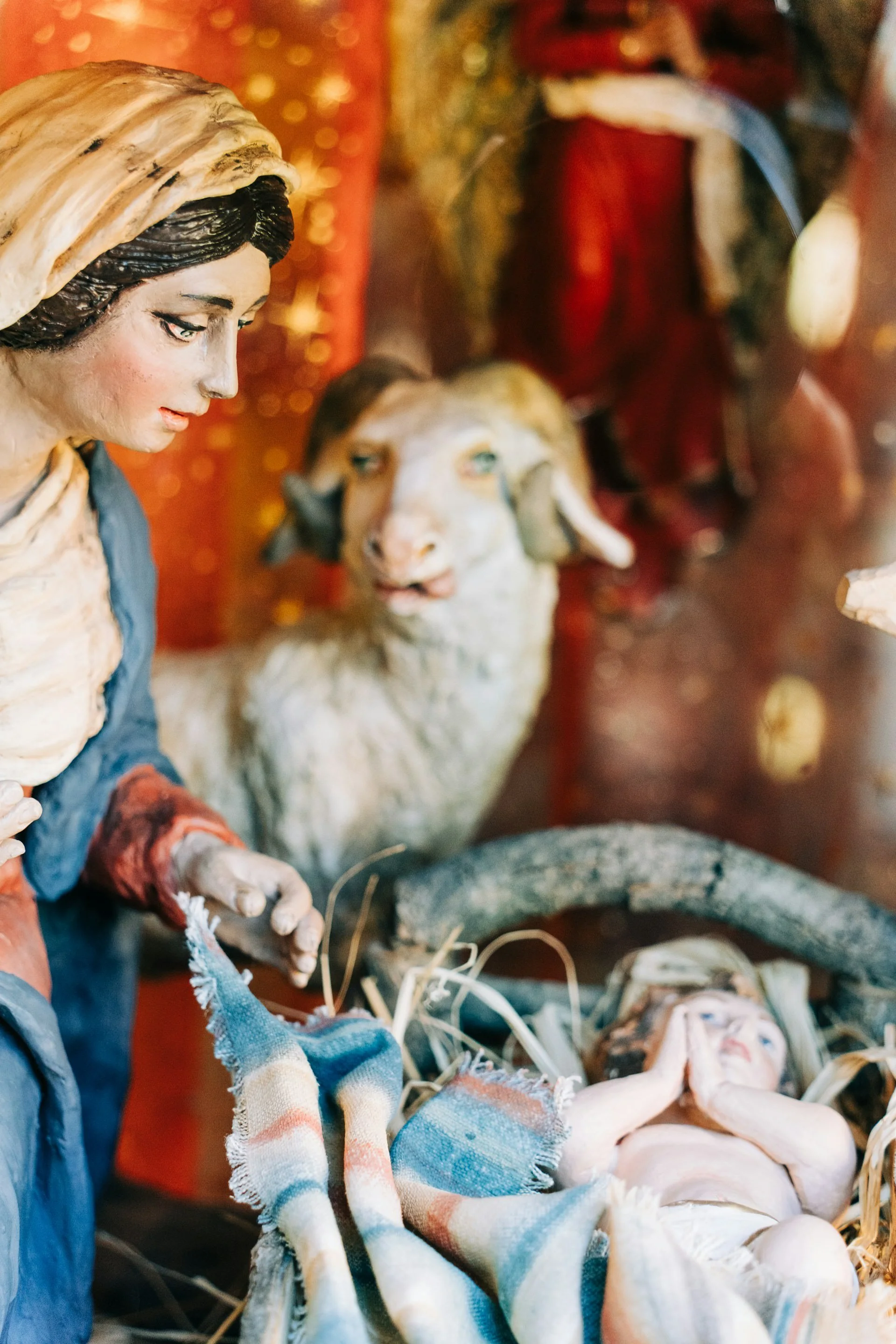
Il Presepe, the Nativity Scene
Nativity scenes are central to Italian Christmas decor, and in many towns they are treated as genuine works of art rather than simple decorations. Naples takes this further than anywhere else in the country. Via San Gregorio Armeno, a narrow street in the historic center, is lined year-round with artisan workshops handcrafting presepe figurines, and it becomes a full sensory experience in December as locals shop for pieces to complete their family nativity.
Midnight Mass
Whether or not a family attends church regularly, Christmas Eve Mass is a widely observed tradition. In Rome, the most sought-after version happens at St. Peter's Basilica, where the Pope leads a service that, despite the name, typically begins earlier in the evening rather than at midnight. Reserving a spot requires planning ahead through the appropriate Vatican channels.
Panettone and Pandoro
These two sweet breads define the season the way turkey defines American Thanksgiving. Panettone, tall and studded with candied fruit and raisins, originated in Milan. Pandoro, golden and star-shaped, dusted with powdered sugar, comes from Verona. Both appear on every table and in every bakery window from early December onward, and choosing a side in the panettone-versus-pandoro debate is a genuine Italian pastime.
La Befana and the Epiphany
The Christmas season does not end on December 25 in Italy. It closes on January 6 with the Feast of the Epiphany, when La Befana, a kindly witch who travels by broomstick, is said to leave sweets for well-behaved children and a lump of coal-colored candy for the mischievous ones. Markets and nativity displays typically stay up through this date, so a trip planned for early January still catches the full festive atmosphere.
Best Places to Spend Christmas in Italy
Where you base yourself changes the entire character of a December trip. A few of our favorites, depending on the experience you're after:
Rome
Rome at Christmas pairs its usual layers of history with genuine holiday spectacle. St. Peter's Square gets its own towering tree and an elaborate nativity scene, Piazza Navona hosts one of the city's best-known Christmas markets, and nativity displays appear in churches throughout the historic center, from the Spanish Steps to Piazza del Popolo. If a Vatican Christmas Eve service is on your list, this is the one city where that's possible, though it requires advance coordination.
Bolzano and the Dolomites (Alto Adige)
For the market experience most people picture when they imagine an Italian Christmas, head north to Alto Adige. Bolzano hosts the largest Christmas market in Italy, set in Piazza Walther against a backdrop of the Dolomites, with an unmistakably Alpine, Austrian-influenced character: wooden chalets, mulled wine, strudel, and handcrafted gifts. Nearby Merano and Trento run their own well-loved markets, and this region genuinely feels like a different country from Rome or Naples, which is exactly the point.
Naples
Naples in December is about one thing above all: the presepe. Via San Gregorio Armeno is worth building a day around, and the city is markedly less crowded than it is in peak season, making it easier to actually enjoy Spaccanapoli, the historic center, and the region's excellent, unfussy food without fighting through crowds.
Verona
Verona's Christmas market, held in Piazza dei Signori and Piazza Bra in partnership with Nuremberg's Christkindlmarkt tradition, brings a similar Alpine energy to the Veneto. Pair a visit with the city's romantic architecture and, if timing allows, an easy add-on to a Venice or Lake Garda itinerary.
Tuscany and Umbria
For travelers who want the season without the market crowds, the hill towns of Tuscany and Umbria offer something quieter and, in our view, more intimate. Towns like Cortona and the villages around Lake Trasimeno keep their own local traditions, from smaller nativity displays to truffle season overlapping with the holidays, without the density of visitors you'll find further north. This is where slow travel and Christmas in Italy overlap best.
IWB Tip: Choose one region, not a Christmas market tour. Bolzano, Verona, and Rome are all wonderful, but stitching all three into one December trip usually means a lot of time in transit during the shortest, coldest days of the year. We typically recommend anchoring in one or two bases and letting the season set the pace.
Christmas Markets in Italy: Are They Worth It?
In a word, yes, particularly if you have never experienced one. Italy's Christmas markets are concentrated in the north, especially Alto Adige and Trentino, where the tradition arrived from neighboring Austria and Germany generations ago. Bolzano, Trento, and Merano are considered the country's most traditional and authentic markets, typically running from late November through the Epiphany on January 6, with closures on Christmas Day itself.
Further south, the markets take on a different character. Rome's Piazza Navona market leans toward nativity figurines, sweets, and a classic carousel rather than an Alpine feel, and Naples' San Gregorio Armeno functions as a market in its own right, one dedicated entirely to the art of the presepe. Como's lakeside market adds ice skating and light projections to the mix, and Verona blends its market with the city's storybook architecture.
Our honest take: the markets are genuinely charming, but they are also crowded, especially on weekends. Visit on a weekday morning or early evening if you can, and treat the market itself as one stop in a fuller day rather than the entire point of the visit.
Practical Notes Before You Book
December 25 and 26 are public holidays. Confirm restaurant and site hours in advance, and book Christmas Eve and Christmas Day dinners early.
Pack layers. Northern Italy and the Dolomites can turn genuinely cold and snowy, while the south stays milder but often damp.
Daylight runs short, generally sunrise after 7:30am and sunset before 5pm, so plan sightseeing for late morning through mid-afternoon.
Christmas markets and nativity displays typically run through January 6, so an early January trip still catches the full atmosphere without the late-December crush.
Advance booking matters even more than usual for Vatican services, popular restaurants, and countryside accommodations with limited rooms.
Our Honest Take
Christmas in Italy rewards travelers who want atmosphere over agenda. It is not the trip for checking every major site off a list. It is the trip for a slow morning in a hill town, a market stall of mulled wine, a nativity scene that took a family three generations to build, and a table that stays full long after the meal is technically over.
If that sounds like your kind of Italy, December might be exactly the right time to go.
Ready to Plan Your Italy Trip?
At Italy With Bella, we build fully custom, private itineraries across all 20 Italian regions, in every season, including the holidays. We know which markets are worth the trip, which towns keep their traditions quiet and local, and how to build a December itinerary that lets you slow down rather than race the sunset.