Christmas Markets in Italy: A Region-by-Region Guide
There is a particular kind of cold that settles over Italy in late November. It is not the bitter cold of the Alps in January. It is the cold that smells like roasted chestnuts and mulled wine, the cold that makes a wool coat feel like the right decision, the cold that means the Christmas markets have opened.
Most travelers know the German Christmas markets. Fewer know that Italy runs its own extraordinary version, and that it changes character completely depending on where you stand. In South Tyrol, the markets feel almost entirely Austrian, all wooden chalets and Gluhwein and the scent of cinnamon drifting over snow-dusted piazzas. Head south to Florence or Rome, and the tradition takes on an Italian accent instead, with panforte and torrone alongside the handcrafted ornaments. Our team visited several of these markets ourselves last December, and what struck us most was how different each one felt, even within the same region. Here is our honest guide to the ones worth building a trip around.
South Tyrol: Bolzano, Merano, and the Alpine Markets
If you want the market that looks like it belongs on a postcard, South Tyrol is where you go. This is the region where Italy and Austria blend into something entirely its own, and nowhere is that clearer than at Christmas. The five towns of Bolzano, Merano, Bressanone, Brunico, and Vipiteno each run their own market during Advent, and together they are sometimes called the Five Star Route, since it is entirely possible to visit several of them by train in a single trip.
Bolzano
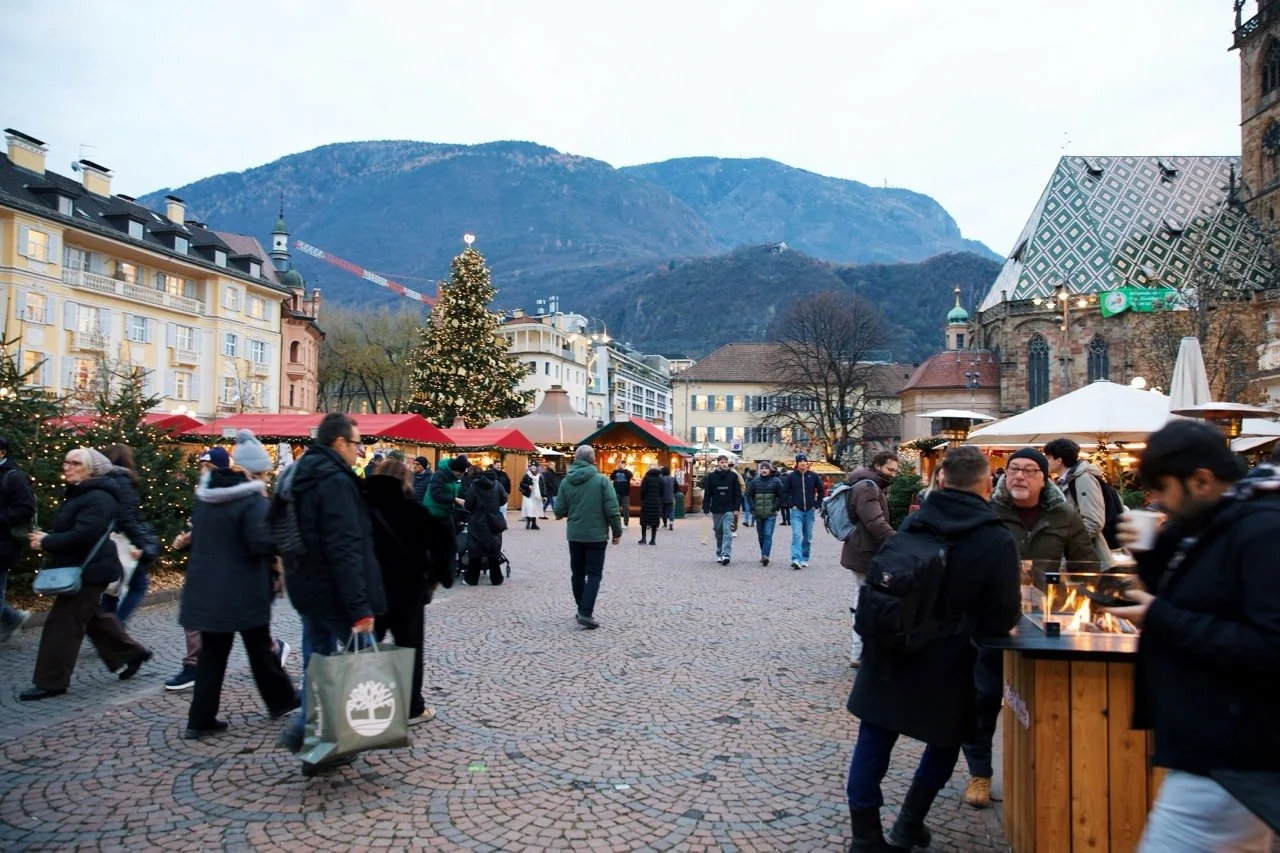
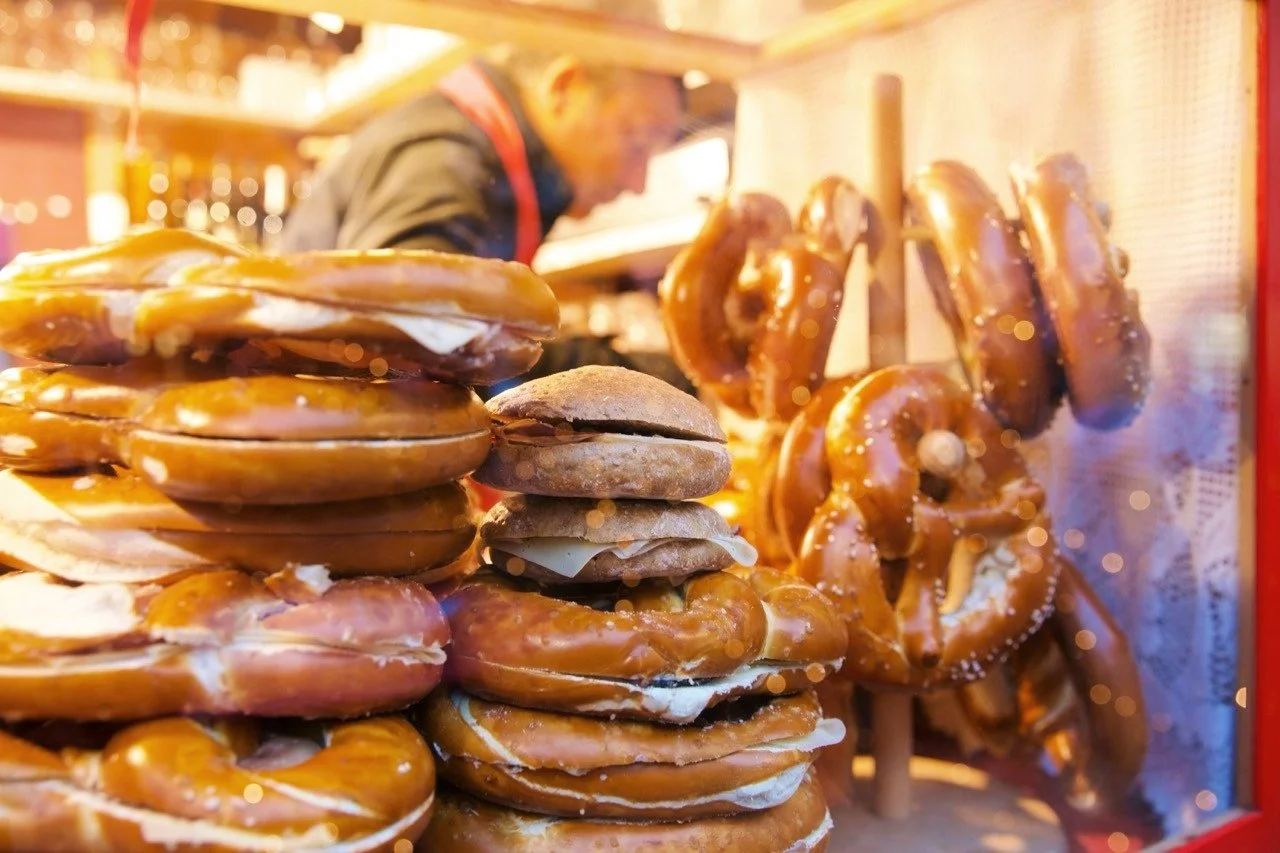
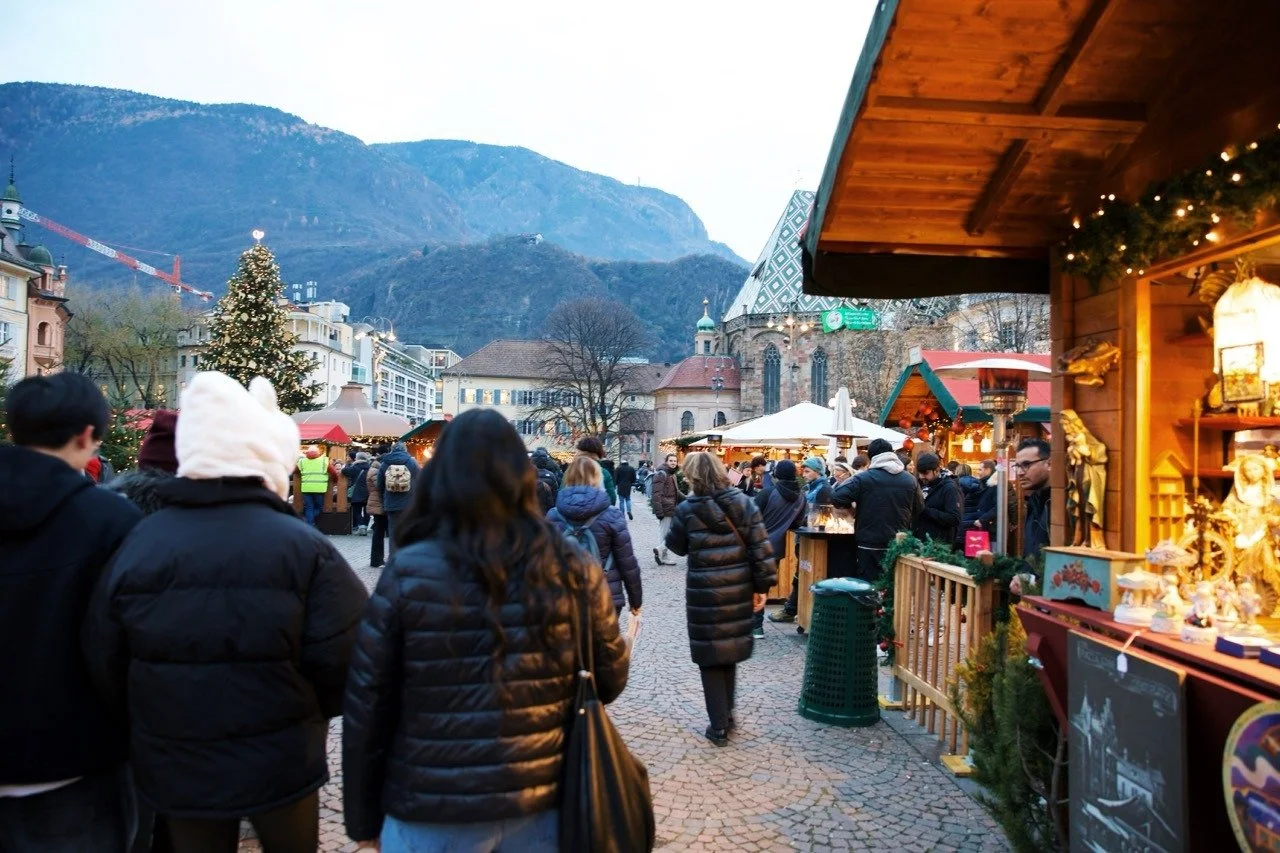
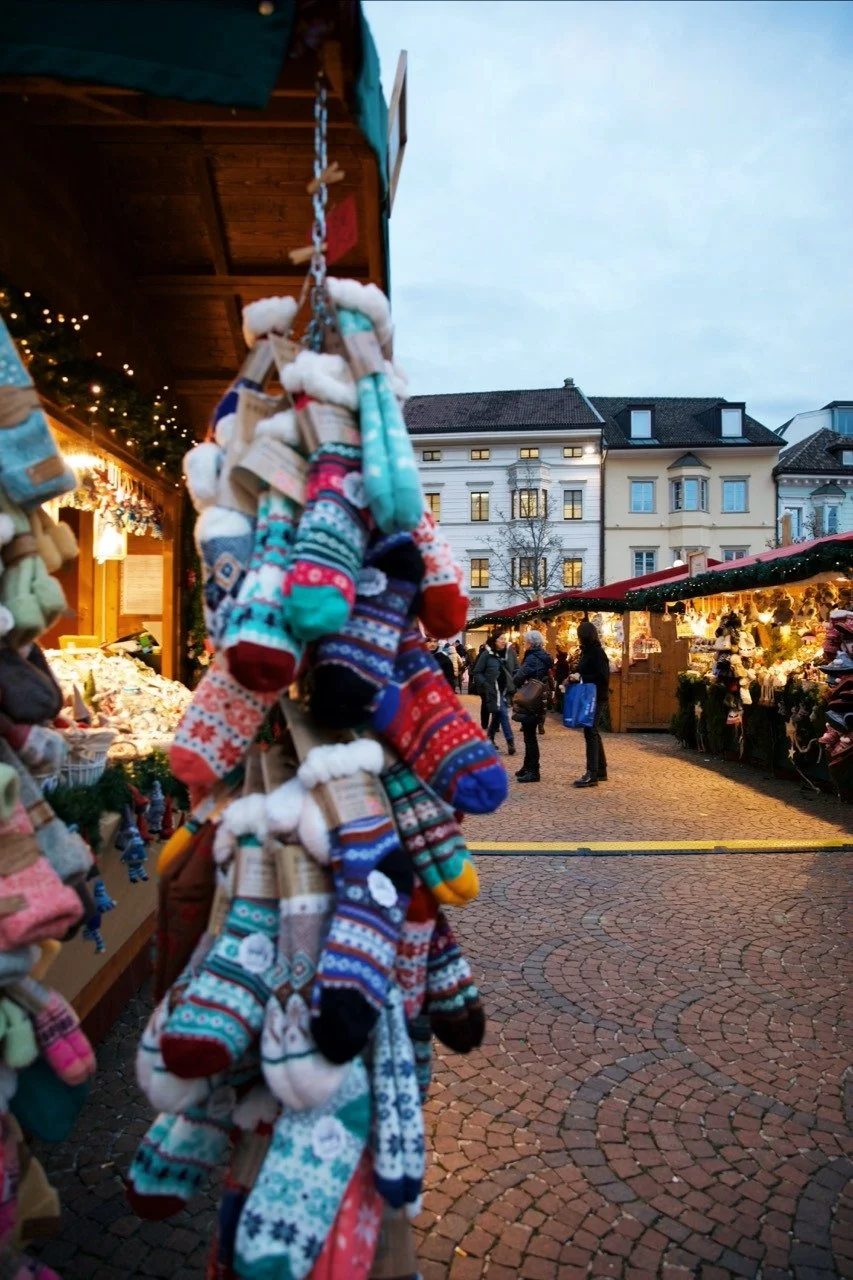
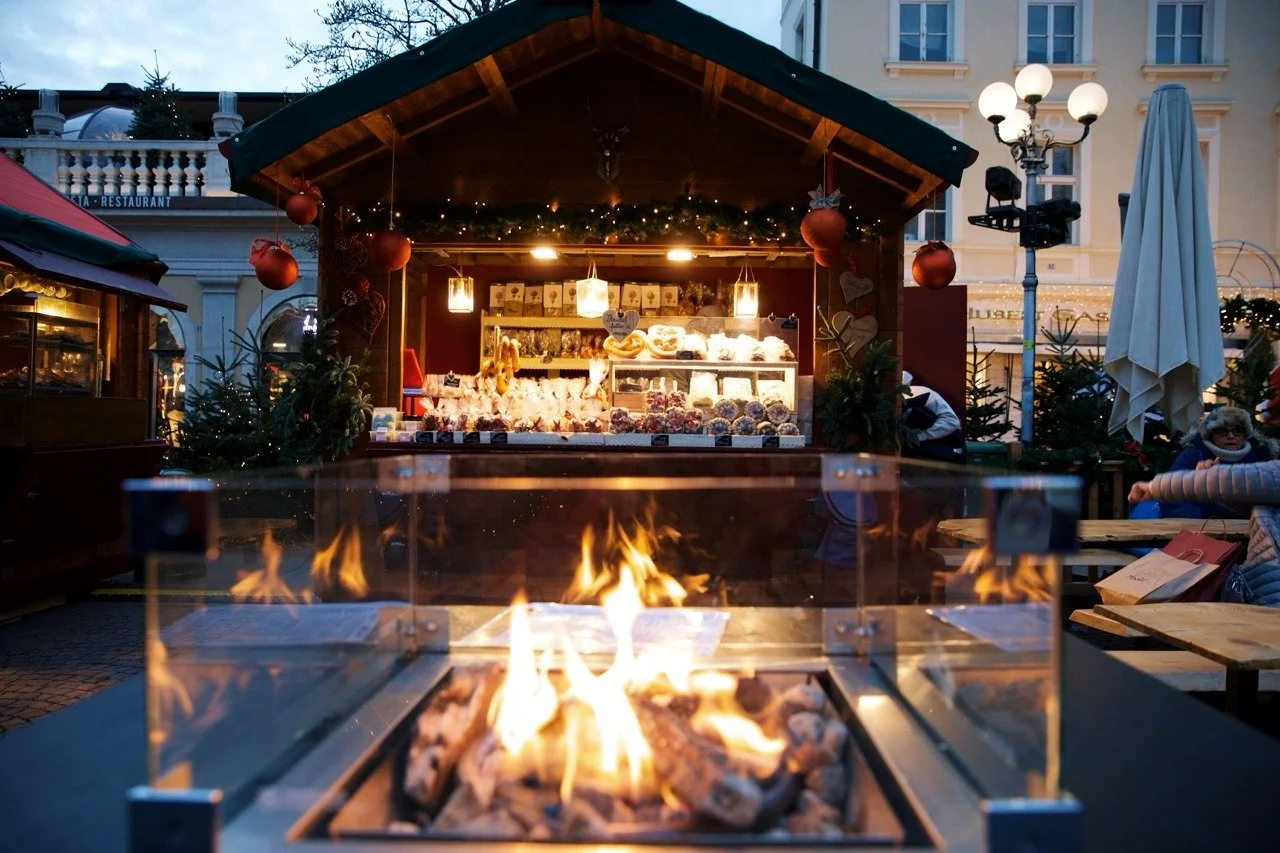
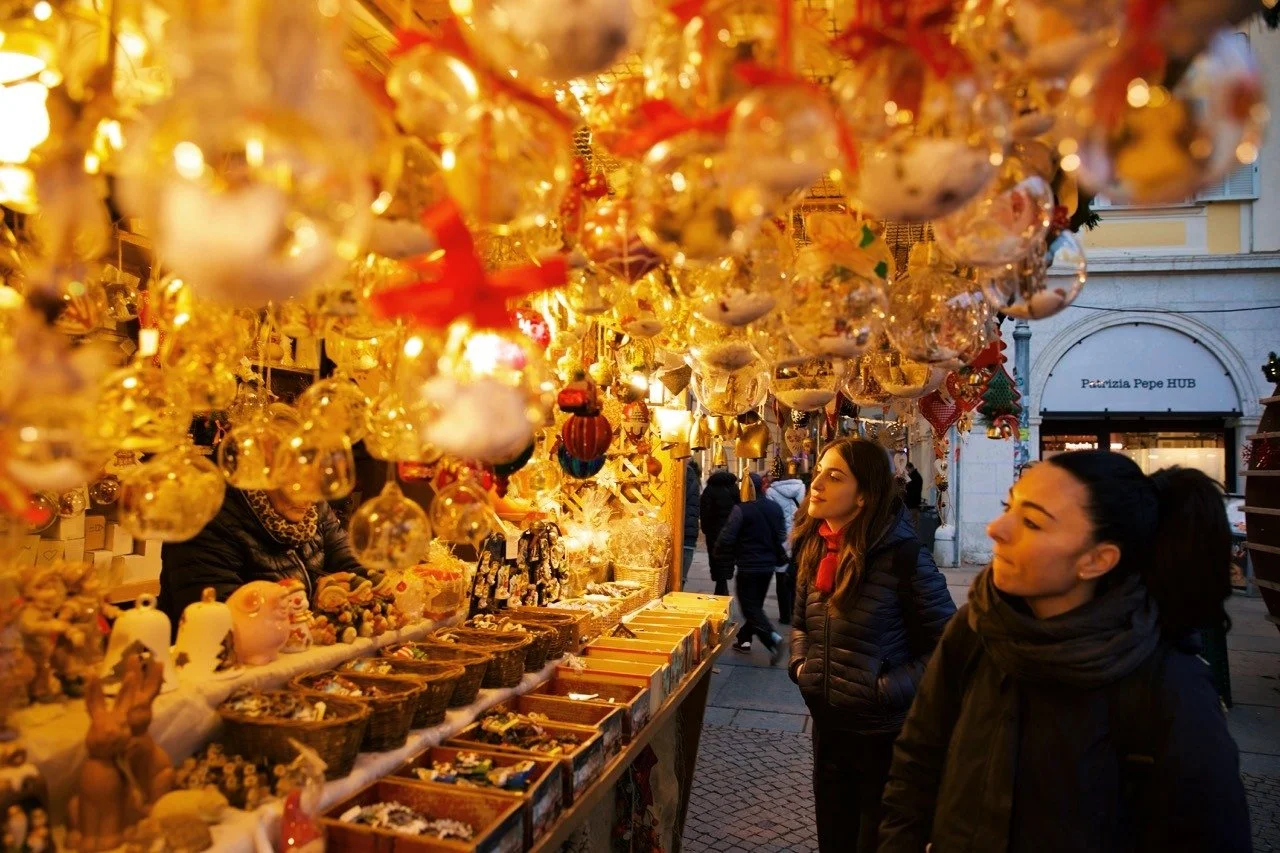
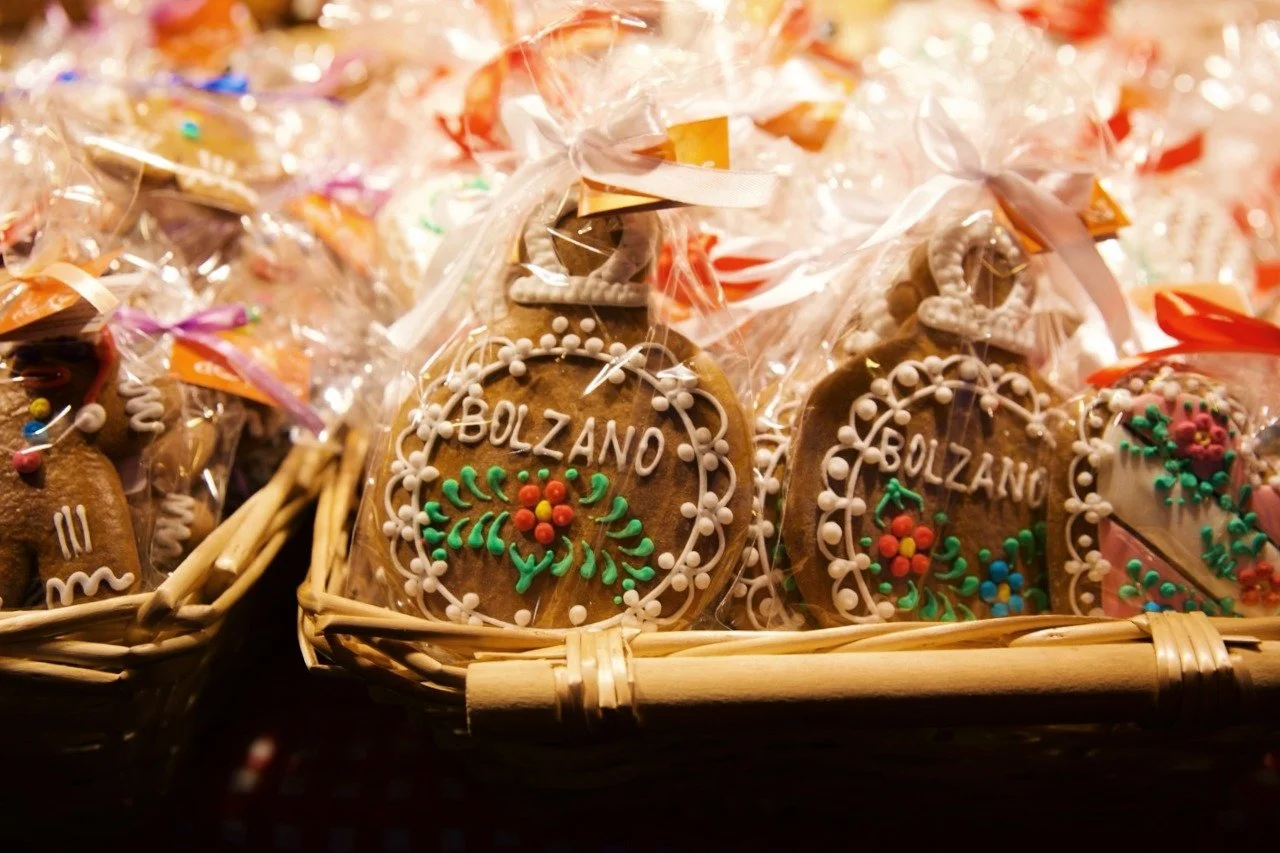
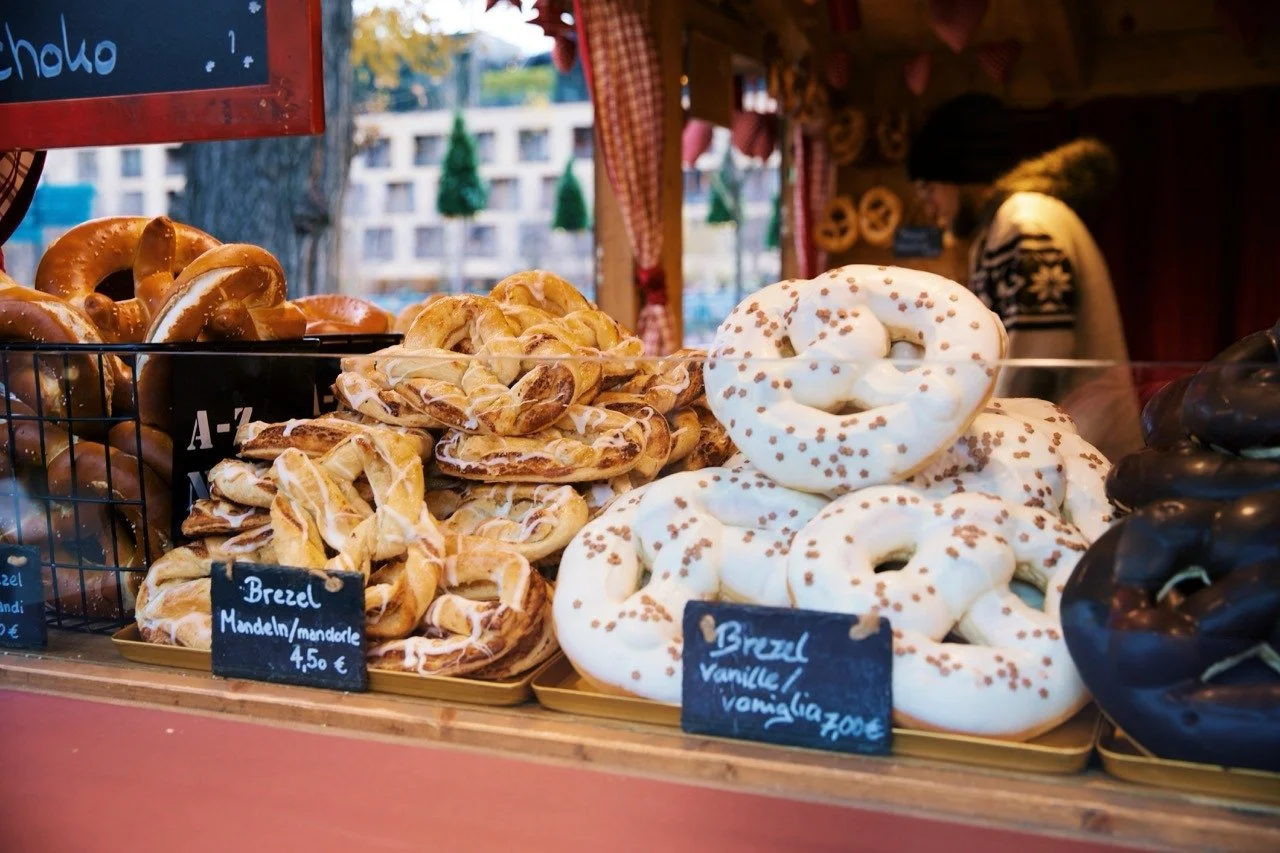
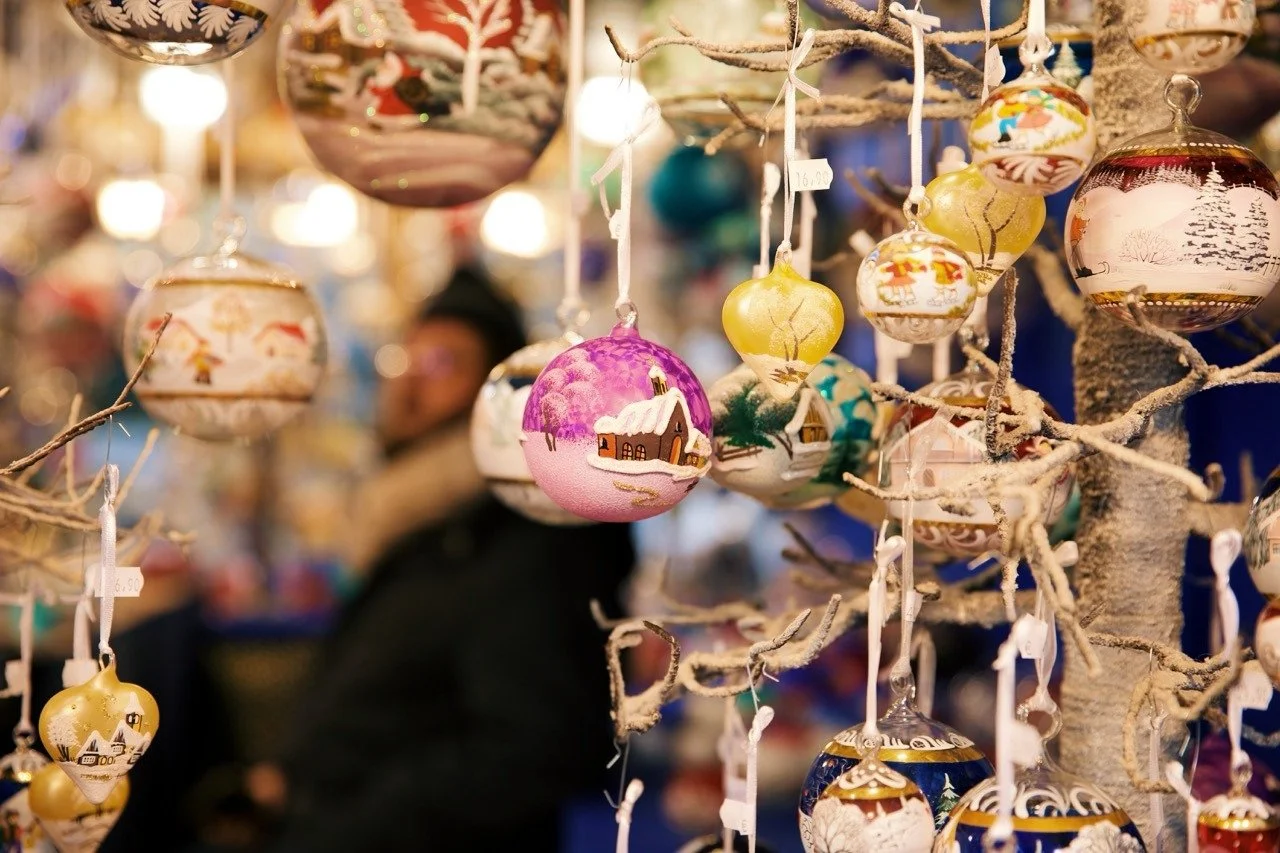
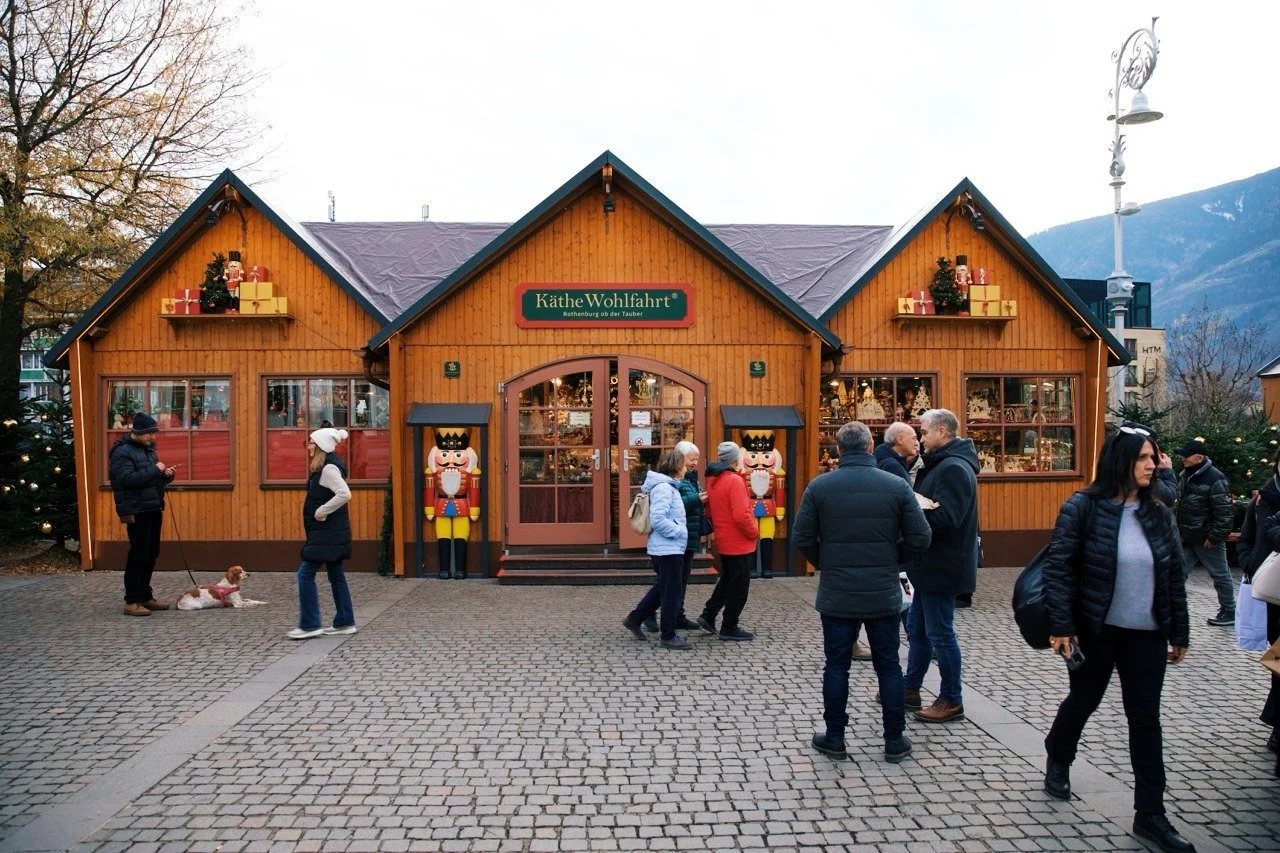
Bolzano is the market we would send every first-time visitor to. The stalls fill Piazza Walther and spill out toward the Christmas Park near the cathedral, with a towering Christmas tree, a full nativity display, and the entire historic center wrapped in lights. Our team was there in December and it remains, for us, the most magical of the four we visited that trip. The ornament stalls alone are worth the visit, along with the mulled wine and the unmistakably German-leaning food, from Speck to Knödel to gingerbread. The market typically runs from the last Thursday before the first Sunday of Advent through Epiphany on January 6th, closed on Christmas Day itself, with stalls generally open from mid-morning into the early evening.
IWB Tip: Bolzano's 2026 season is confirmed for November 27 through January 6, 2027, with the tree lighting on opening night the unofficial kickoff to the whole season. Always confirm exact hours closer to your travel dates, since they shift slightly around the holidays themselves.
Merano
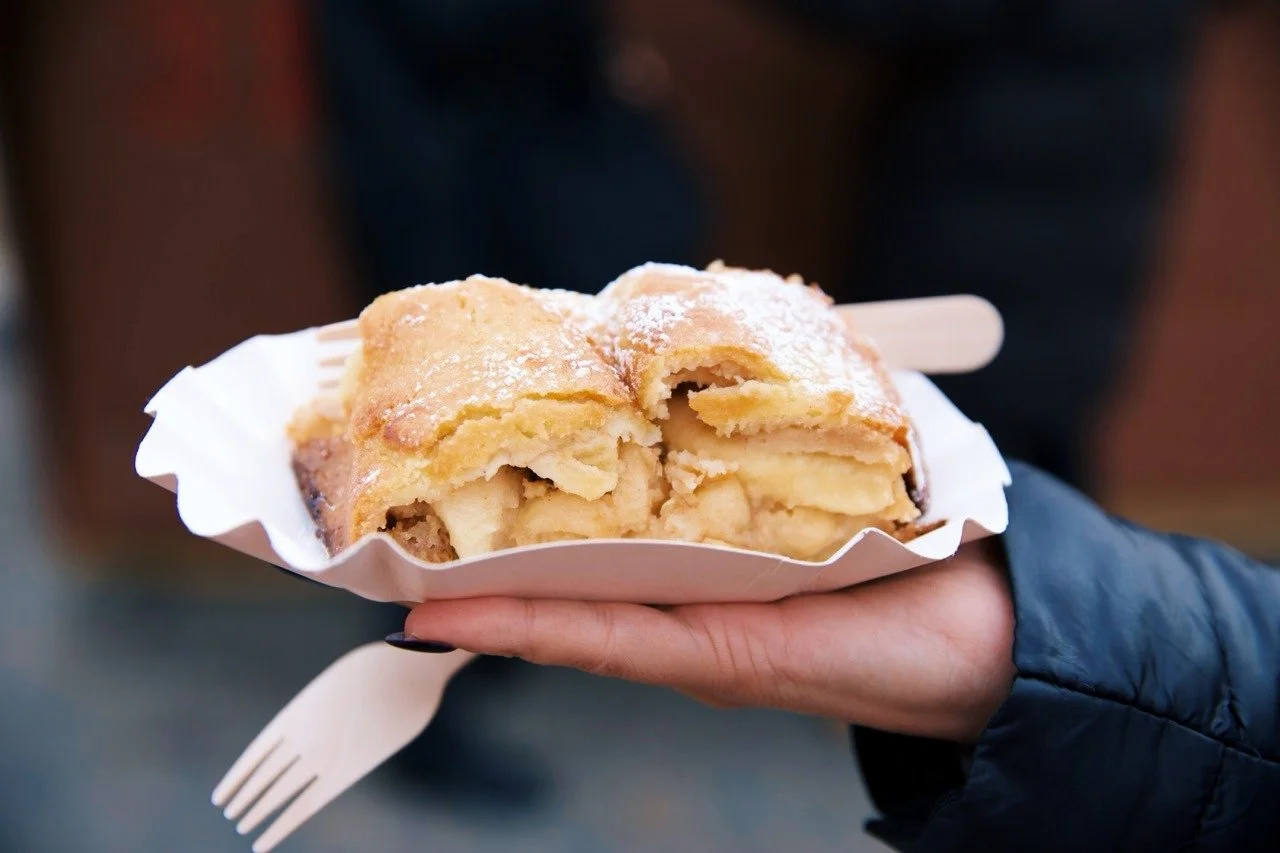
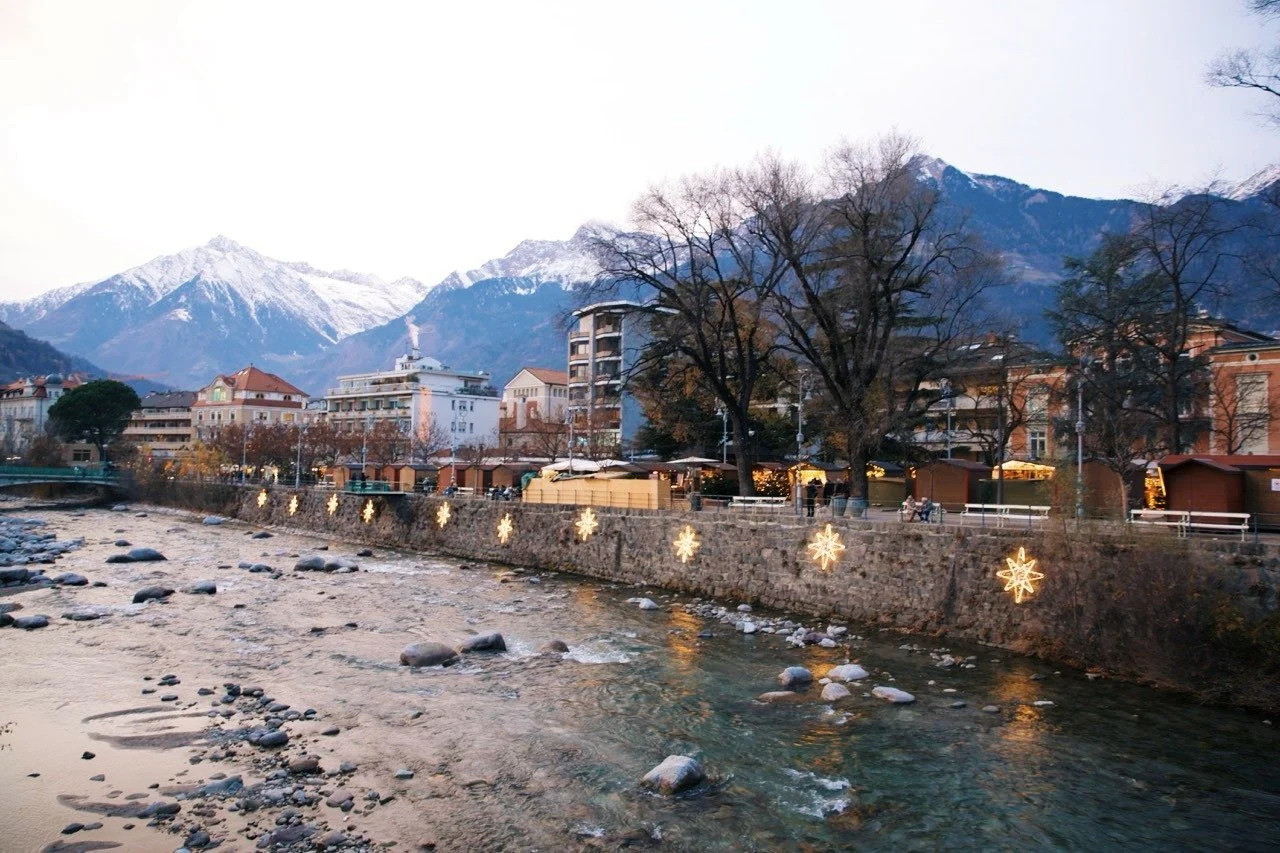
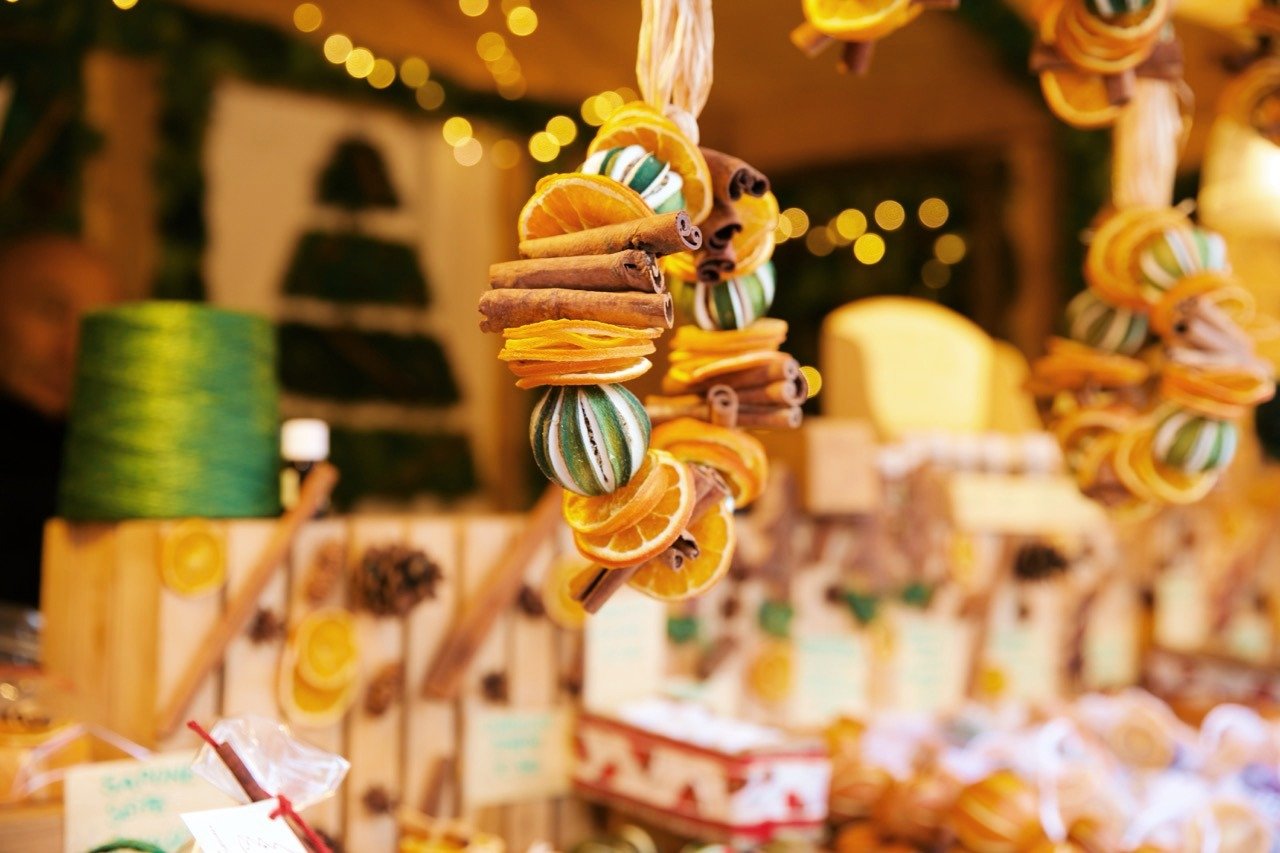
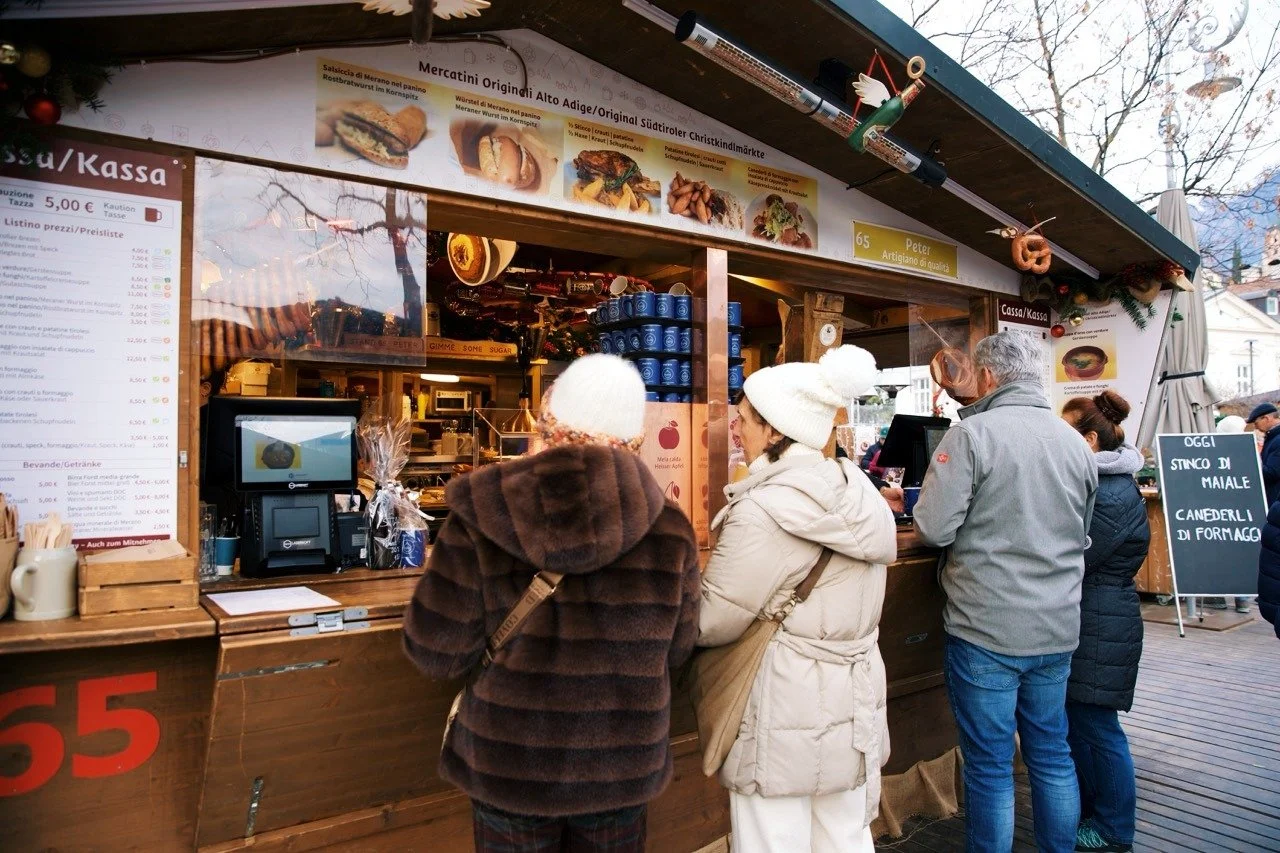
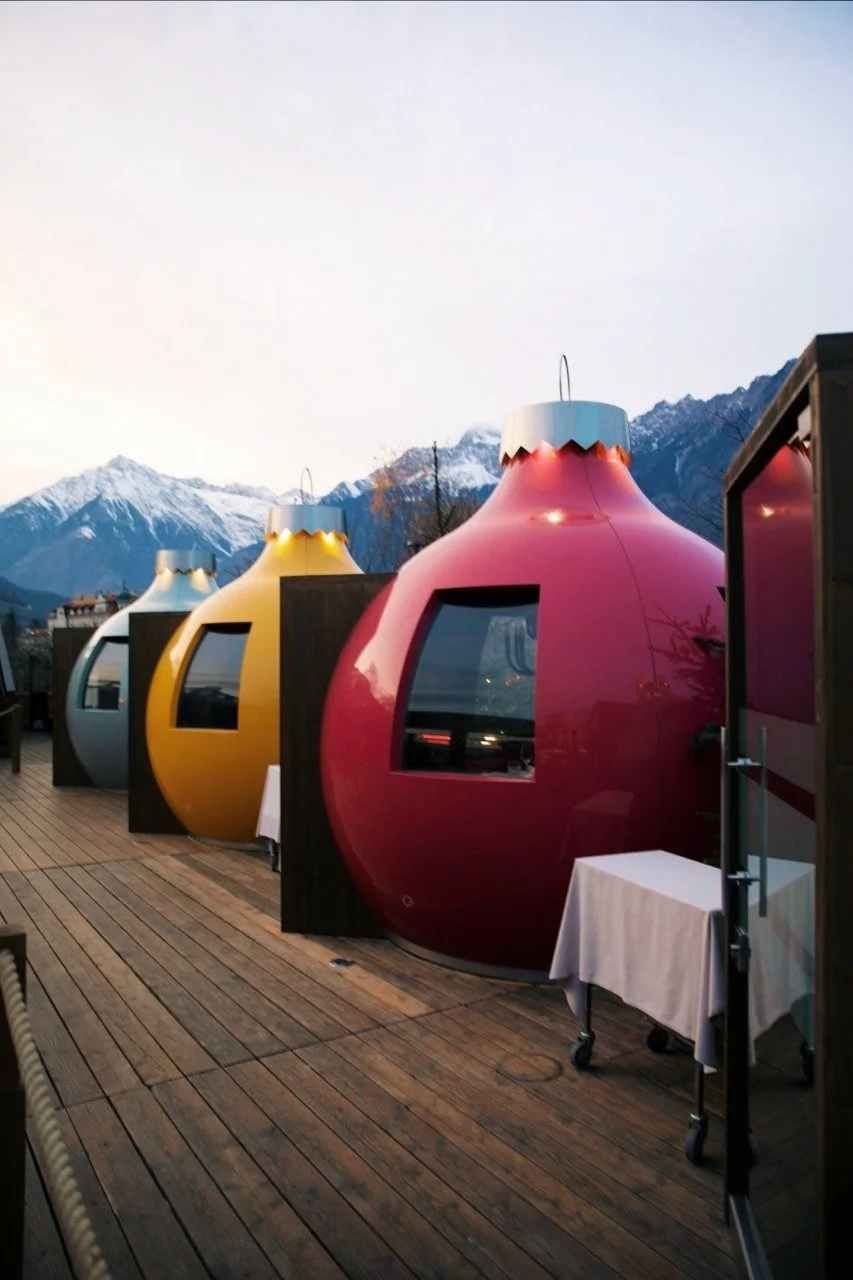
Merano is quieter and, in some ways, even more beautiful. The market runs along the Passer river with the Kurhaus as a backdrop, and the wooden stalls sell handmade textiles, ceramics, glass, and wood alongside the usual food and mulled wine. What we remember most is the setting itself, snow-capped mountains rising directly behind the market, and one particular sandwich stall where they warm a block of cheese and scrape the melted top directly onto the bread, a South Tyrolean take on raclette that is worth seeking out on its own. Merano's German influence is even more pronounced than Bolzano's, and the walk along the promenade between stalls feels unhurried in a way that larger markets rarely manage.
Bressanone, Brunico, and Vipiteno round out the Five Star Route, each smaller and even more intimate than Bolzano or Merano. If your trip allows for it, stringing two or three of these towns together by train over a few days is one of the most rewarding ways to experience Christmas in Italy. Trento, just south of the Alto Adige border, runs its own well-regarded market as well and pairs naturally with a South Tyrol itinerary.
Verona and the Shores of Lake Garda
Verona's Christmas market takes its cue directly from Nuremberg. The Christkindlmarkt fills Piazza dei Signori and the adjoining Cortile Mercato Vecchio with wooden chalets selling handcrafted gifts, mulled wine, Lebkuchen, and Stollen, while Piazza Bra hosts an enormous illuminated star arching from the Arena and an international nativity exhibition with hundreds of cribs from around the world. The market typically opens in late November and runs into late December, though exact dates shift slightly year to year, so confirm before you book.
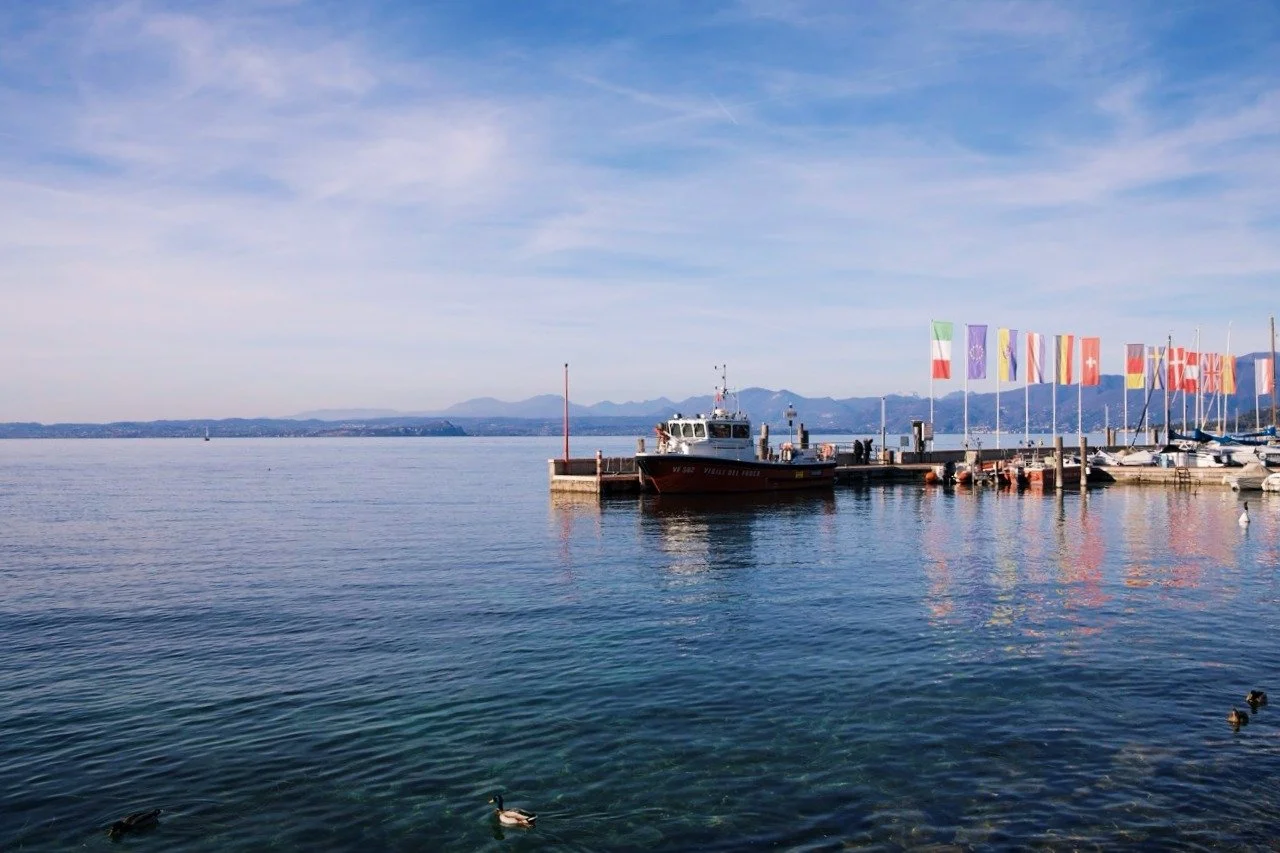
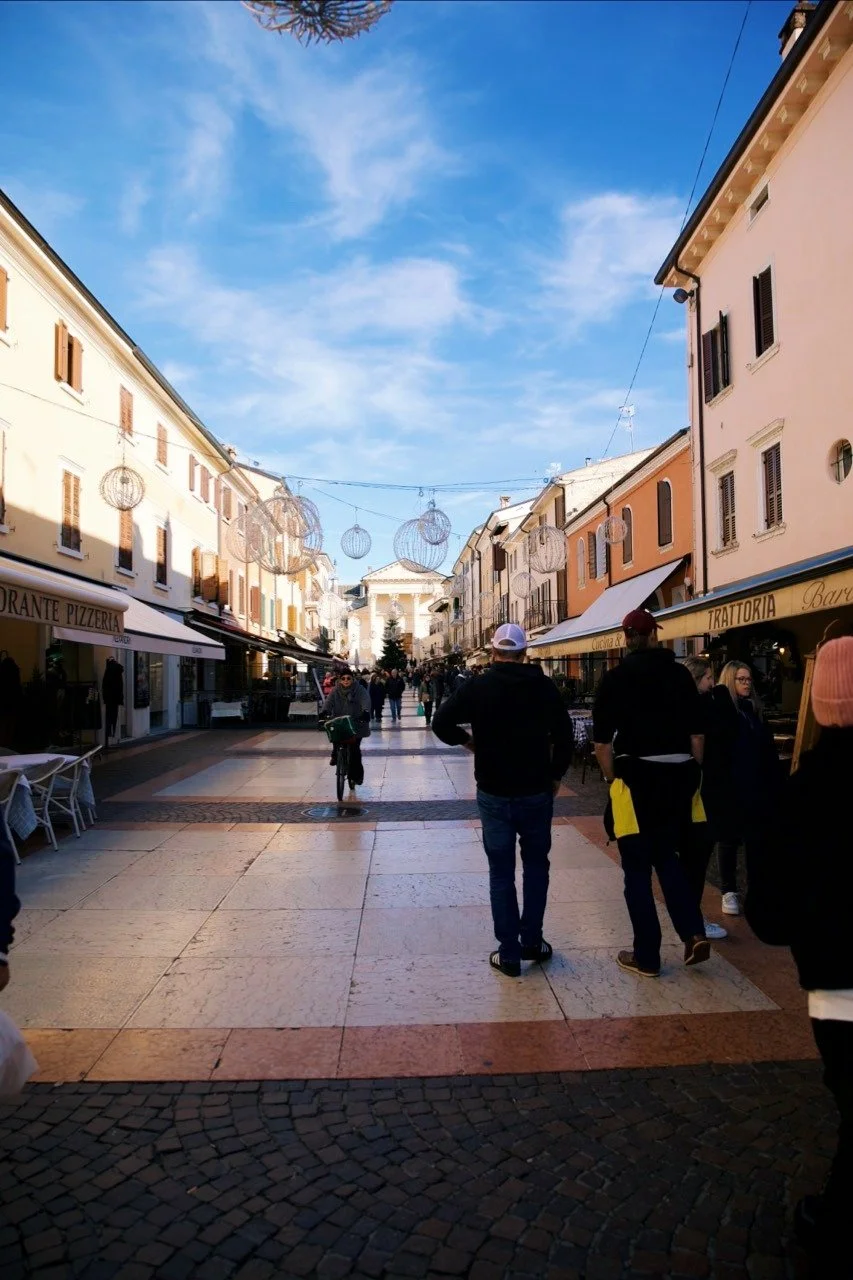
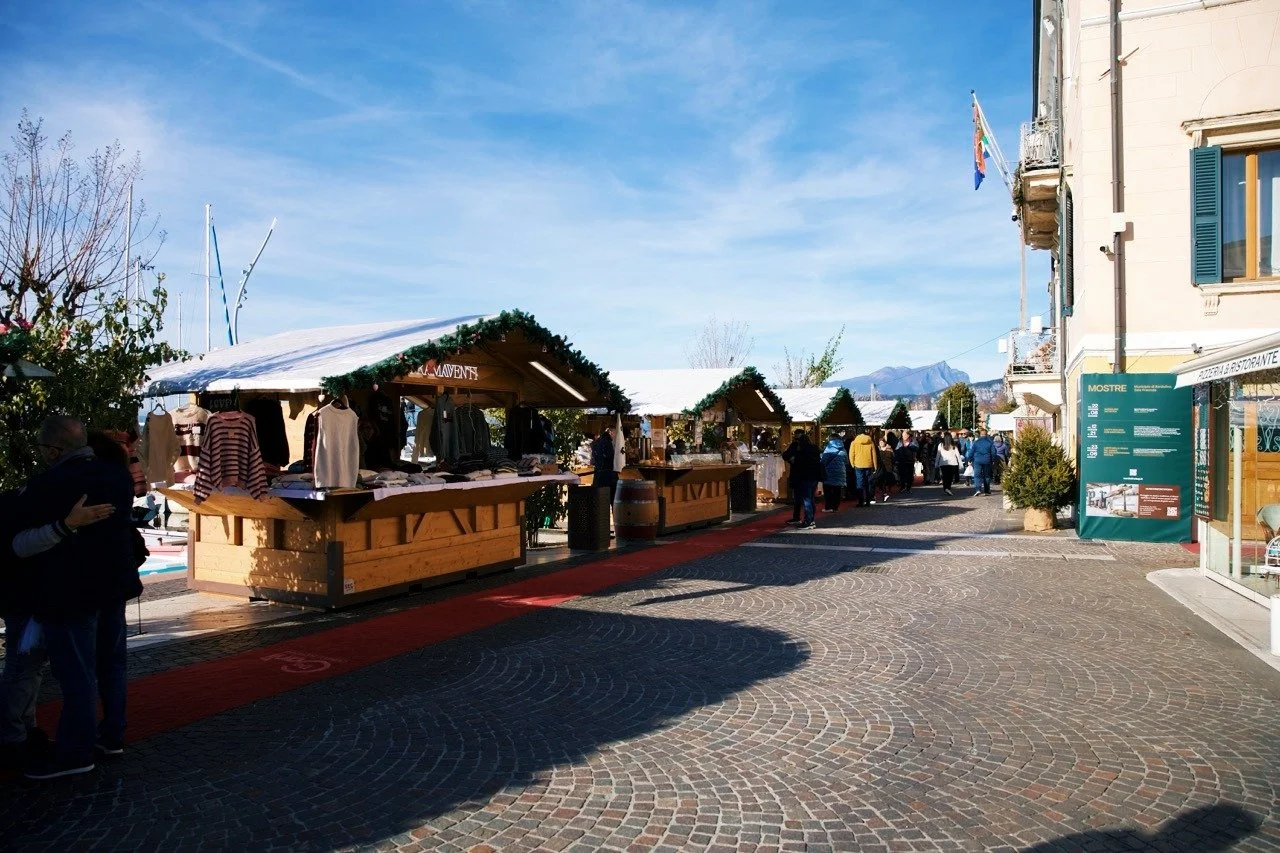
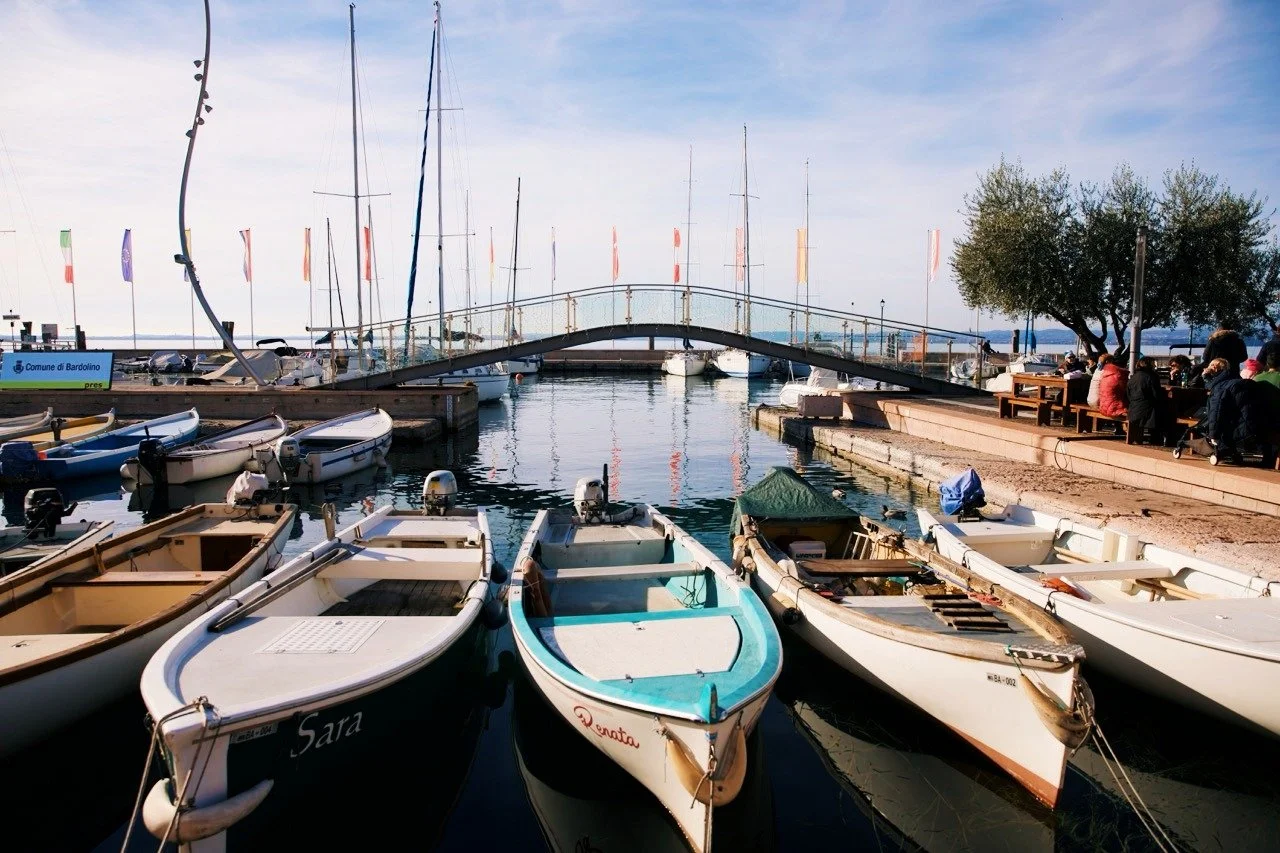
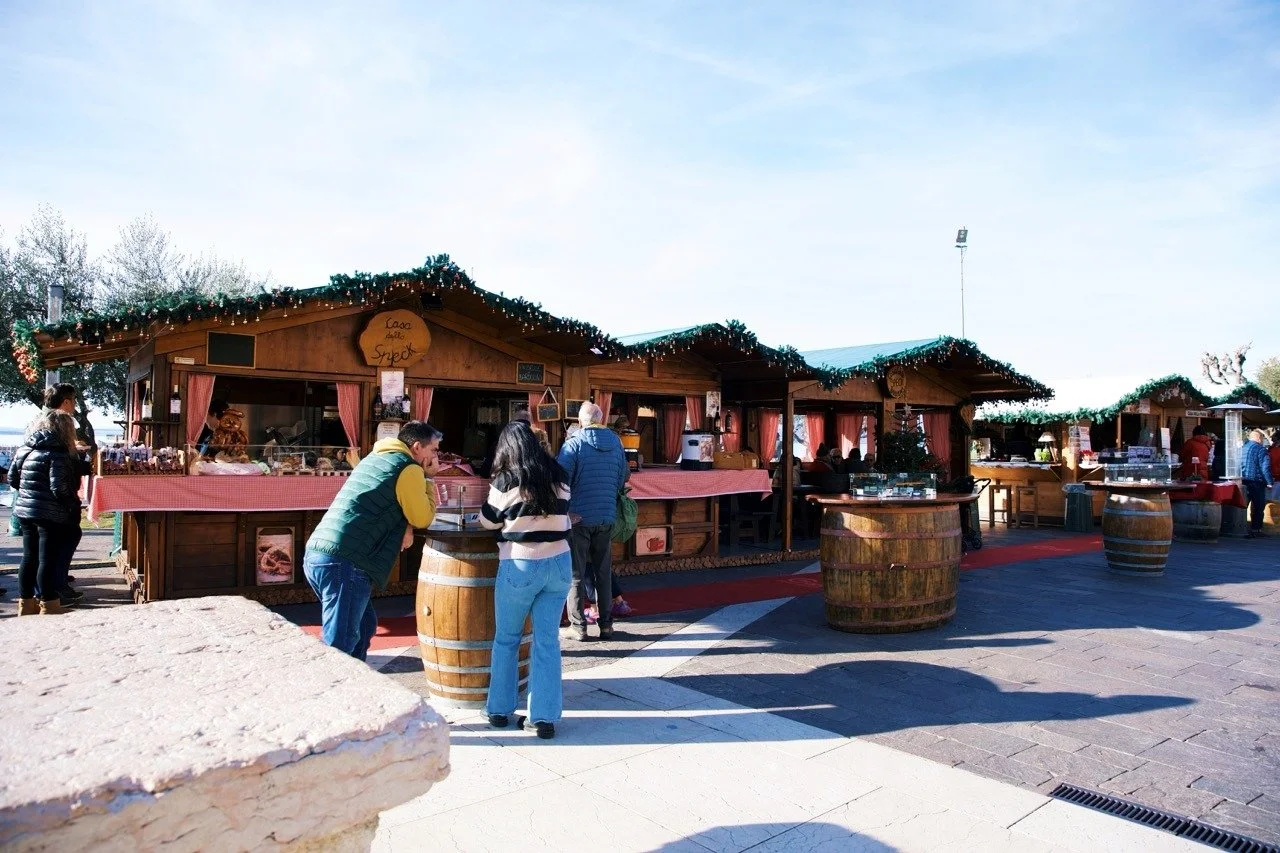
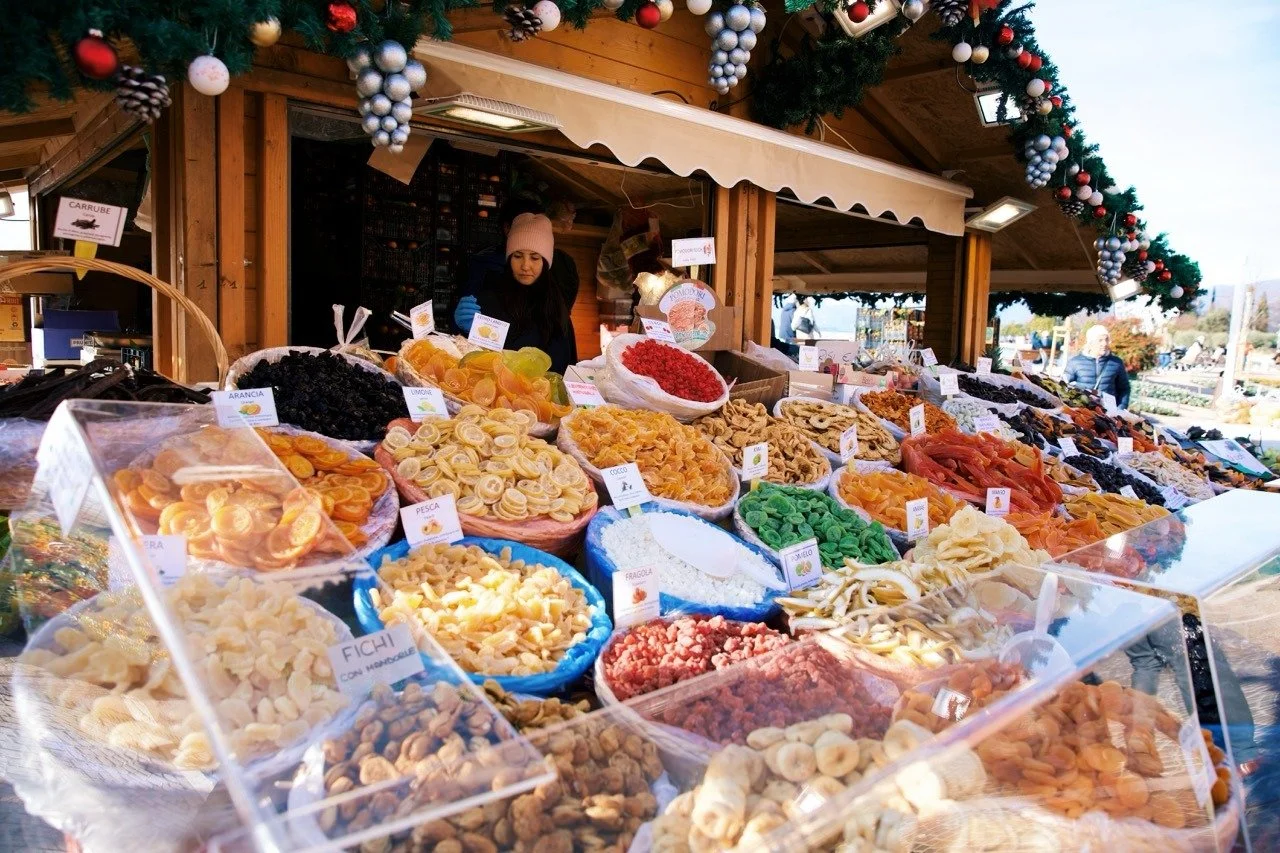
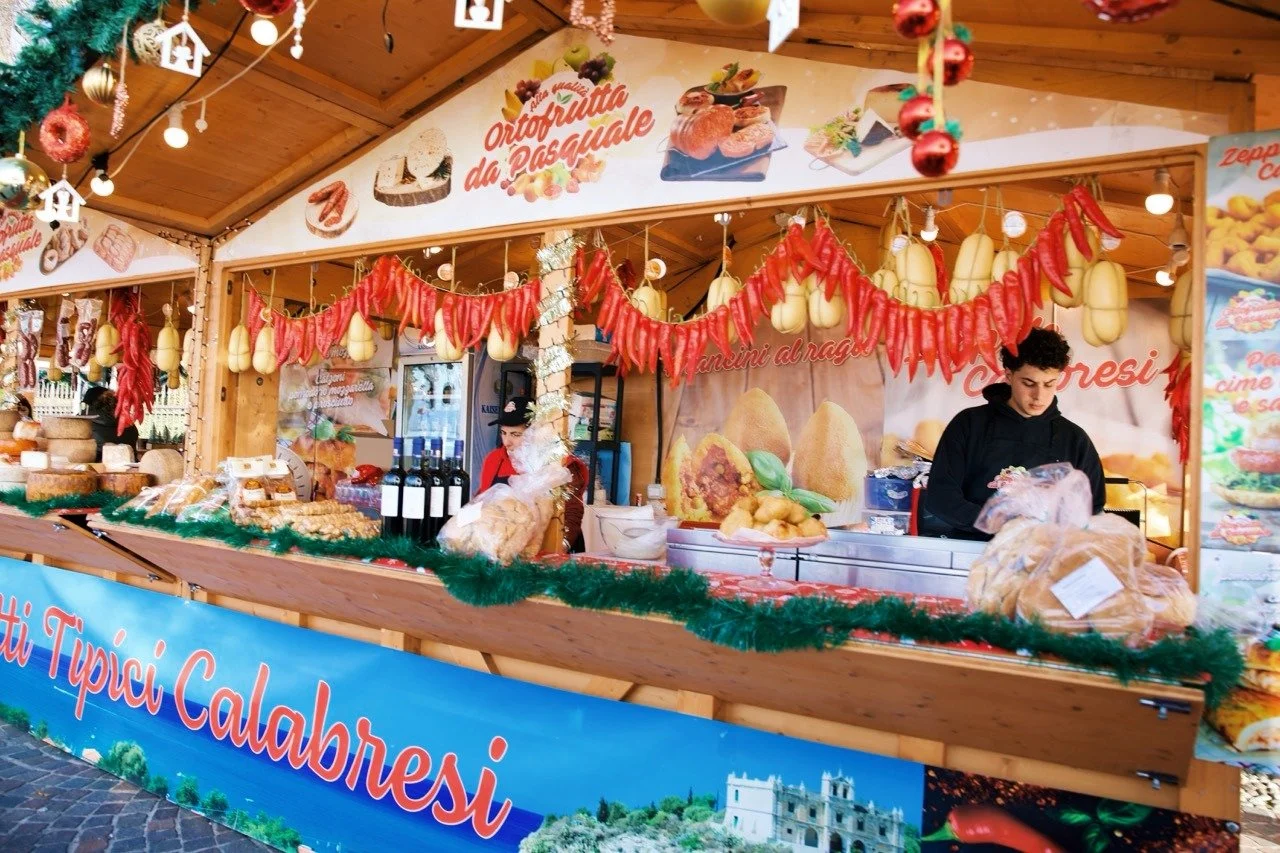
What we loved even more, though, was the string of towns around Lake Garda itself. Where Verona can get crowded and a little chaotic in the evenings, towns like Arco and Bardolino turn their small central squares into markets that are genuinely easy to enjoy, right on the water, with none of the crush of a big city. Our team's visit to the lake was the most relaxed stretch of the whole trip, a slow stroll past the stalls with the lake as a backdrop rather than a fight through crowds. If your itinerary has room for it, we would build in a full day here rather than treating it as a quick stop on the way to somewhere else.
IWB Tip: Pair a night in Verona with a night or two on Lake Garda. You get the grandeur of the Christkindlmarkt and the ease of a lakeside town in the same trip, without asking either one to be something it is not.
Florence: Piazza Santa Croce
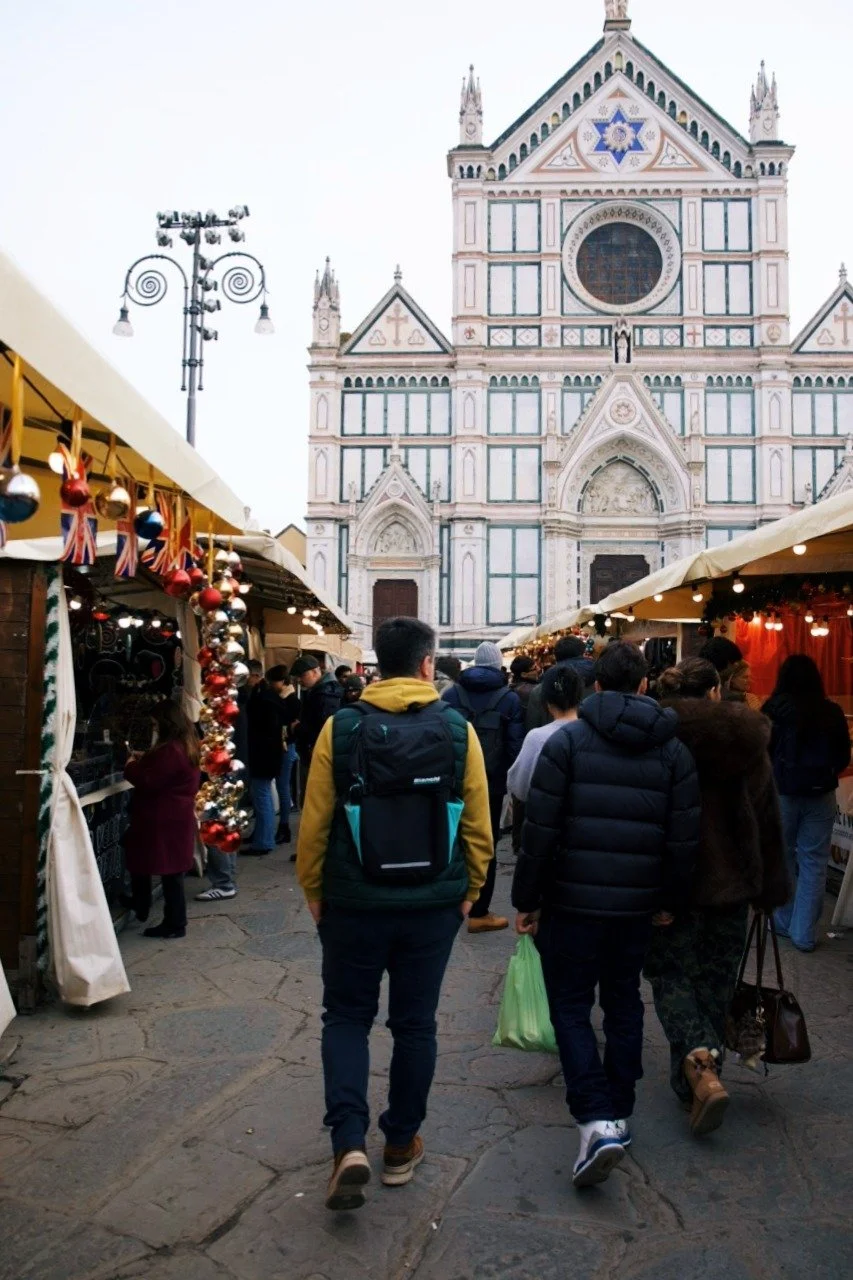
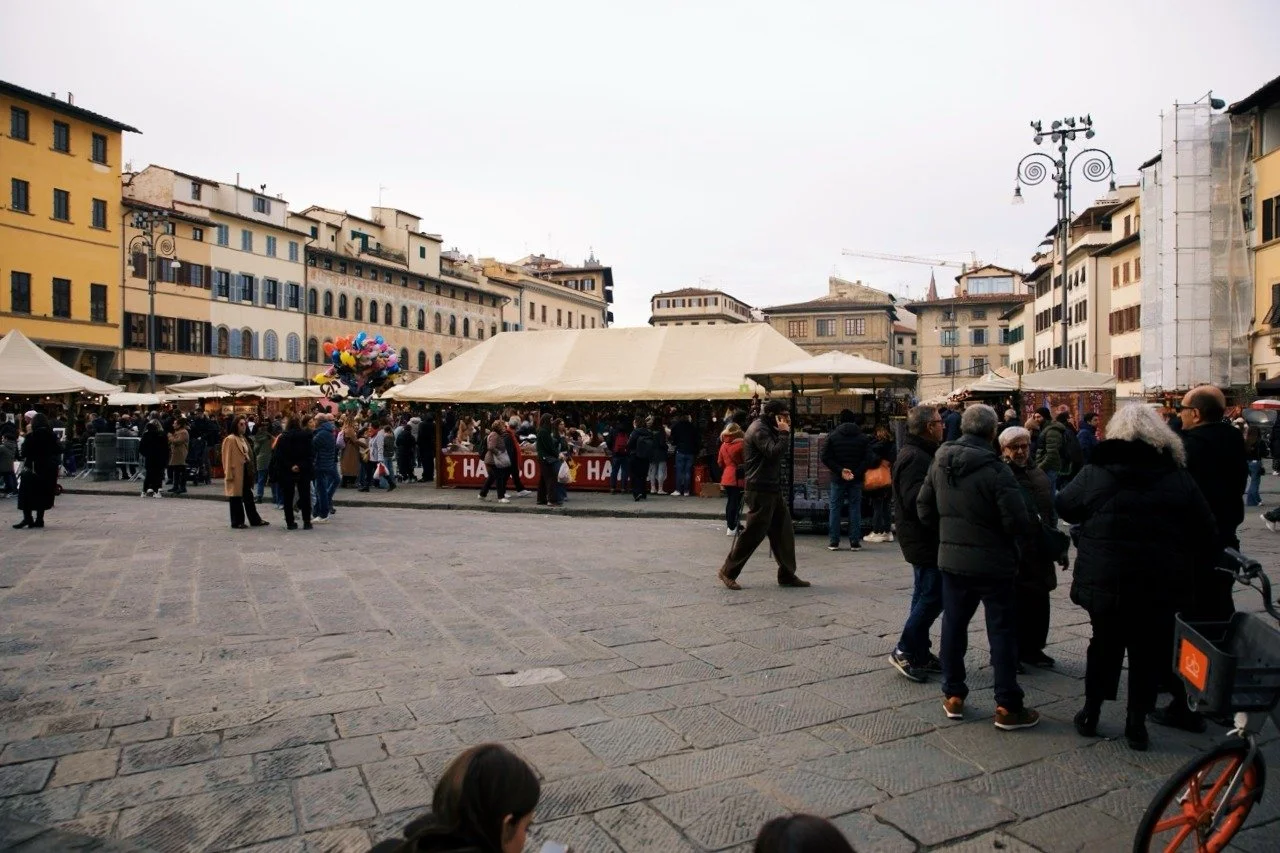
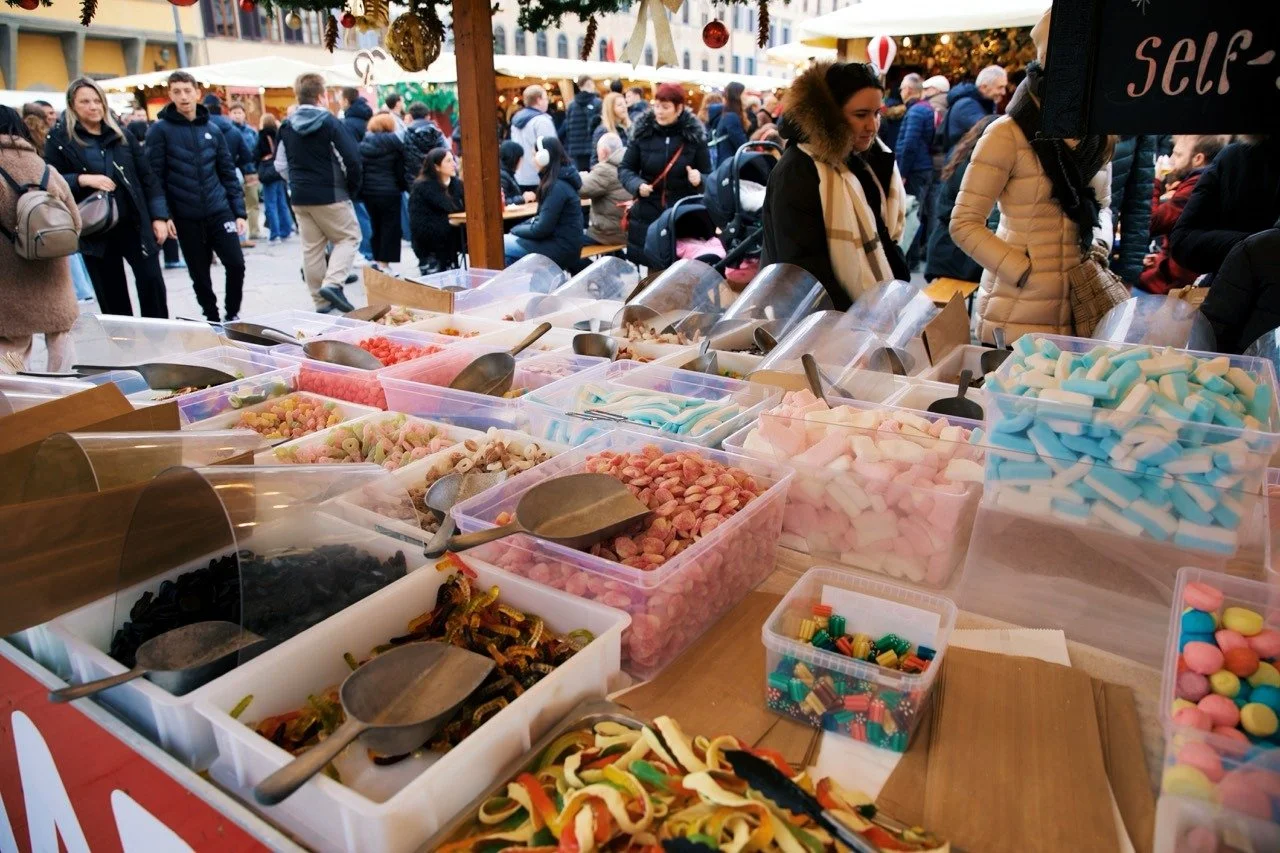
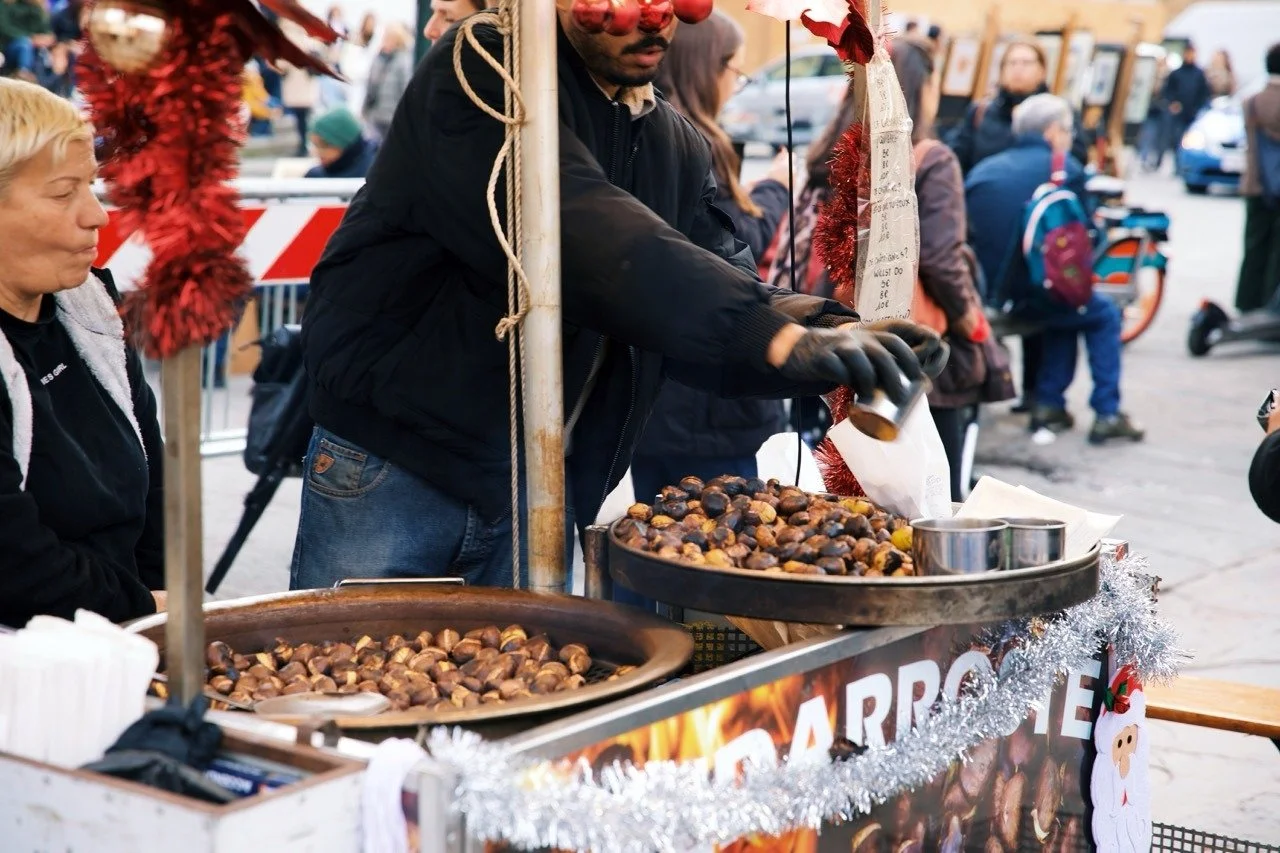
Florence's Weihnachtsmarkt, set in front of the Basilica di Santa Croce, is one of the most photographed Christmas markets in Italy, and for good reason. More than fifty wooden huts fill the piazza with handcrafted goods, mulled wine, and food from across Europe, all set against one of the city's most striking facades. The market usually runs from mid-November into late December, generally open from mid-morning until late evening.
We will be honest about this one, because that is how we do things. Our own visit to Florence's market landed on a very busy evening, and the crowds made it difficult to actually move through the stalls, let alone linger at any of them. It is still worth seeing. Santa Croce is a genuinely beautiful setting for it. But this is exactly the kind of market where timing matters more than almost anywhere else on this list.
IWB Tip: Go in the late morning or early afternoon on a weekday if you can, before the evening crowds arrive. Florence draws enormous numbers of visitors during the holidays, and the market is at its best when you can actually see the stalls in front of you.
Rome and Milan
Rome: Piazza Navona
Rome trades wooden Alpine chalets for something closer to a traditional Italian street fair. The market in Piazza Navona has run for generations and leans into nativity figures, nougat, roasted chestnuts, and carousel rides for kids, all set against Bernini's fountains in one of the city's most beautiful squares. It runs from early December through early January and stays busy the entire time, so evenings midweek tend to be the calmer window.
Milan: Piazza Duomo and Oh Bej Oh Bej
Milan's most famous market, Oh Bej Oh Bej, takes over the streets around the Sforza Castle each December 7th for the feast of Sant'Ambrogio, the city's patron saint, and continues for several days after. It is chaotic, crowded, and entirely worth it if your dates line up. The Duomo square itself is also lit for the season and makes a beautiful backdrop for an evening walk even outside the main market dates.
What to Know Before You Go
Dress in real layers. South Tyrol and the mountains run cold by late November, and even Florence and Rome get a damp, bone-deep chill in the evenings.
Most markets close on Christmas Day itself, even though the season technically runs through Epiphany on January 6th. Plan accordingly if you are traveling over the holiday.
Bring some cash. Many stalls take cards now, but the smaller vendors, especially for a quick mulled wine or a snack, still prefer cash.
Book accommodations early. South Tyrol in particular fills up fast during Advent, and the nicest properties in Bolzano and Merano are often gone months ahead.
If you are combining multiple markets, build in slower days rather than rushing between towns. The markets you remember are the ones you had time to actually enjoy.
Ready to Plan Your Italy Trip?
Christmas in Italy is not one experience. It is a dozen different ones, from the Alpine chalets of Bolzano to the lakeside calm of Garda to the crowded, beautiful chaos of Florence. At Italy With Bella, we build fully custom itineraries around exactly this kind of moment, the ones that make a trip feel like it was built for you instead of pulled off a shelf.