First Time in Tuscany: 15 Things You Need to Know Before You Go
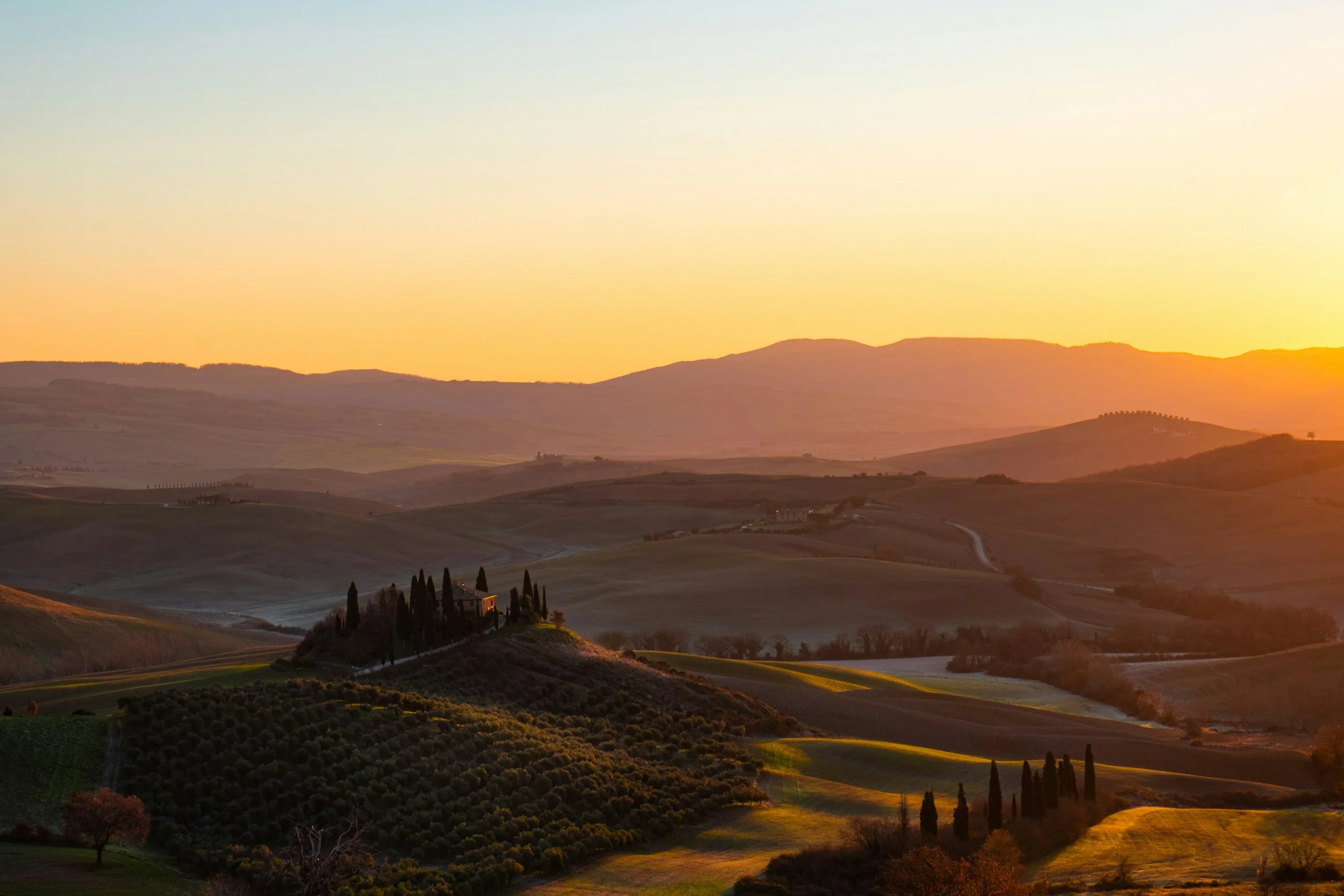
Close your eyes and picture Tuscany. Rolling hills stitched together with cypress-lined roads. Medieval hill towns catching the late afternoon light. Long lunches that spill into the early evening. Vineyards stretching toward the horizon, a glass of Chianti in hand, the countryside doing what it does best.
Here is the good news: Tuscany absolutely can feel like that. Here is what nobody tells you before your first trip: where you stay, how you get around, how much you try to see, and how you structure your days make an enormous difference in whether it actually does.
Tuscany has a way of looking effortless. Hilltop villages, vineyard covered landscapes, and leisurely lunches seem to simply appear around every corner in the photos your friends post. But creating a trip that actually feels that effortless takes a little planning. Before your first trip to Tuscany, here are fifteen things worth knowing.
1. Tuscany Is Much Bigger Than You Think
First time visitors often picture Tuscany as one small, dreamy countryside destination. It is not. Tuscany is a region roughly the size of some entire countries, and Florence, Siena, Lucca, Chianti, Val d'Orcia, Montepulciano, Montalcino, and the coast can each require real travel time to reach from one another.
That means the first decision is not which hotel looks the prettiest online. It is which parts of Tuscany you actually want to experience. Do not choose accommodations before you decide that. We always tell clients to think in terms of our divide by four rule: take the number of days in your trip and divide by four to get a rough sense of how many bases makes sense. A week in Tuscany might mean one or two home bases, not five.
IWB Tip: Decide what kind of Tuscany trip you want (art city, countryside, wine, or a blend) before you book a single room.
2. Florence and the Tuscan Countryside Are Two Very Different Experiences
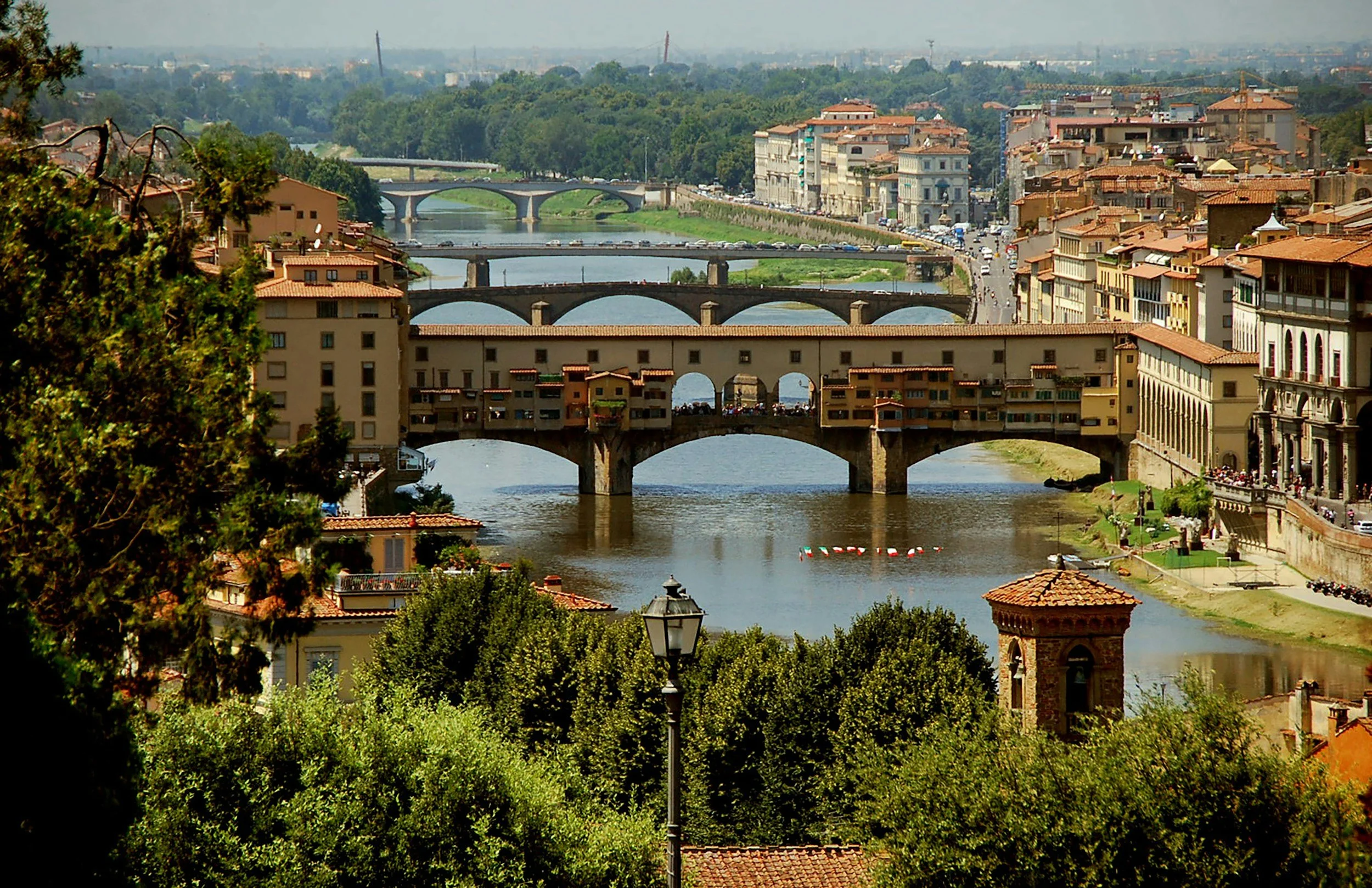
Florence gives you art, museums, world class restaurants, architecture, and a city you can explore entirely on foot. The countryside gives you vineyards, hill towns, long views, and a much slower pace. They are almost two different trips wearing the same regional name.
You do not have to choose one or the other. Many of our favorite itineraries pair a few days in Florence with a longer stretch in the countryside, letting the city energy give way to something quieter. If Florence is new to you, our full guide to the city is a good place to start planning that half of the trip.
3. Your Home Base Can Make or Break the Trip
This is one of the places where a little local expertise goes a long way. Staying in the wrong location can mean losing hours each day just getting to the places you actually want to visit, and in Tuscany those drives are rarely as fast as the map suggests.
Choose a base according to your interests, not simply the prettiest hotel you found online. A wine lover based near Montalcino has a very different day to day rhythm than an art lover based in central Florence, even though both are technically in Tuscany. This is where we spend a lot of our planning time with clients, peeling back what they think they want to figure out what will actually make the trip feel right.
4. You Don't Need to Visit Every Famous Tuscan Town
Siena. San Gimignano. Montepulciano. Pienza. Lucca. Montalcino. The list of postcard perfect Tuscan towns is long, and the temptation to see all of them is real. Resist it.
More is not necessarily better. Two towns experienced slowly, with time for a coffee in the piazza and a wander down a side street with no destination in mind, will almost always be more memorable than racing through five towns in a single day. This is the heart of how we plan: seeing it all really does mean seeing nothing at all.
5. A Rental Car Isn't Always the Best Answer
A car sounds like the obvious choice for the Tuscan countryside, and sometimes it is. But it is worth weighing rental cars against private drivers and trains depending on your itinerary, because Tuscany comes with its own set of complications.
ZTLs, the restricted traffic zones found in historic town centers, can catch first time visitors off guard with steep fines. Parking in hill towns is often limited and a walk from where you actually want to be. And if wine tasting is part of your plans, someone needs to be the designated driver, which is not exactly the leisurely afternoon you pictured. We will be publishing a full guide on whether you need a car in Tuscany, but the short answer is: it depends entirely on where you are basing yourself.
6. Tuscany Isn't Just About Wine
So much Tuscany content becomes vineyards, vineyards, vineyards, and understandably so. But the region has far more to offer than a wine glass in your hand.
Think cooking classes, olive oil tastings, truffle hunts, artisan traditions passed down through generations, weekly markets, historic villas, cycling through the countryside, world class art, thermal springs, and local festivals that most visitors never stumble onto. Building a few of these into your trip rounds out the experience and gives you a much fuller picture of what makes this region special.
7. Tuscany's Wine Regions Are Not Interchangeable
Saying you want to go wine tasting in Tuscany is a bit like saying you want to visit a city in the United States. It is a start, but it has not actually narrowed things down very much.
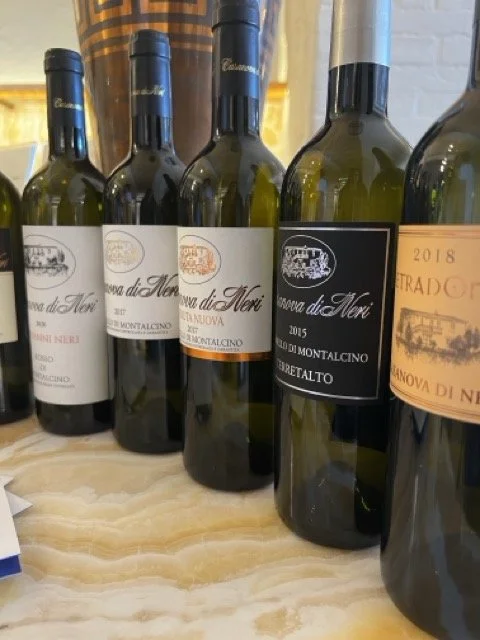
Chianti, Montalcino, and Montepulciano each have their own grape, their own tradition, and their own personality. Chianti Classico wines lean bright and food friendly. Montalcino is home to the powerful, age worthy Brunello. Montepulciano produces the elegant Vino Nobile. Knowing which style you are drawn to helps us point you toward the right region entirely, not just the right winery.
8. Don't Overlook the Smaller Towns
The headline destinations earn their reputation, but some of the best Tuscany memories happen just outside them. Pienza, with its Renaissance streets and pecorino cheese shops. Cortona, perched on its hillside with sweeping views over the valley below. Arezzo, still underexplored by most first time visitors despite its wealth of history.
These are not stops we recommend because they are trendy. They are places our team has walked, eaten in, and returned to, and where a slower afternoon tends to leave a bigger impression than another checklist stop at a famous piazza.
9. Lunch Can Be Part of the Experience, Not an Interruption
Do not plan sightseeing from eight in the morning until six at night and squeeze a sandwich in somewhere along the way. In Tuscany, that approach misses the point entirely.
A beautiful two hour lunch, with a bottle of local wine and no particular place to be afterward, can be one of the experiences you remember most from the entire trip. This is very much the philosophy behind slow travel that we talk about often on the Bella Italy Podcast: the meal is not a break from the trip. It is the trip.
10. Many Experiences Should Be Reserved in Advance
Wine tastings, popular restaurants, private guides, cooking experiences, and drivers should generally be arranged before you arrive rather than left to chance, especially during peak season.
That said, we would never tell you to plan every hour. Book the experiences that genuinely matter to you, and leave the rest of the trip open for spontaneity. The goal is a framework, not a script.
11. Tuscany Changes Dramatically With the Seasons
It is not simply that spring and fall are best. Tuscany feels genuinely different depending on when you visit, and each season offers something worth planning around.
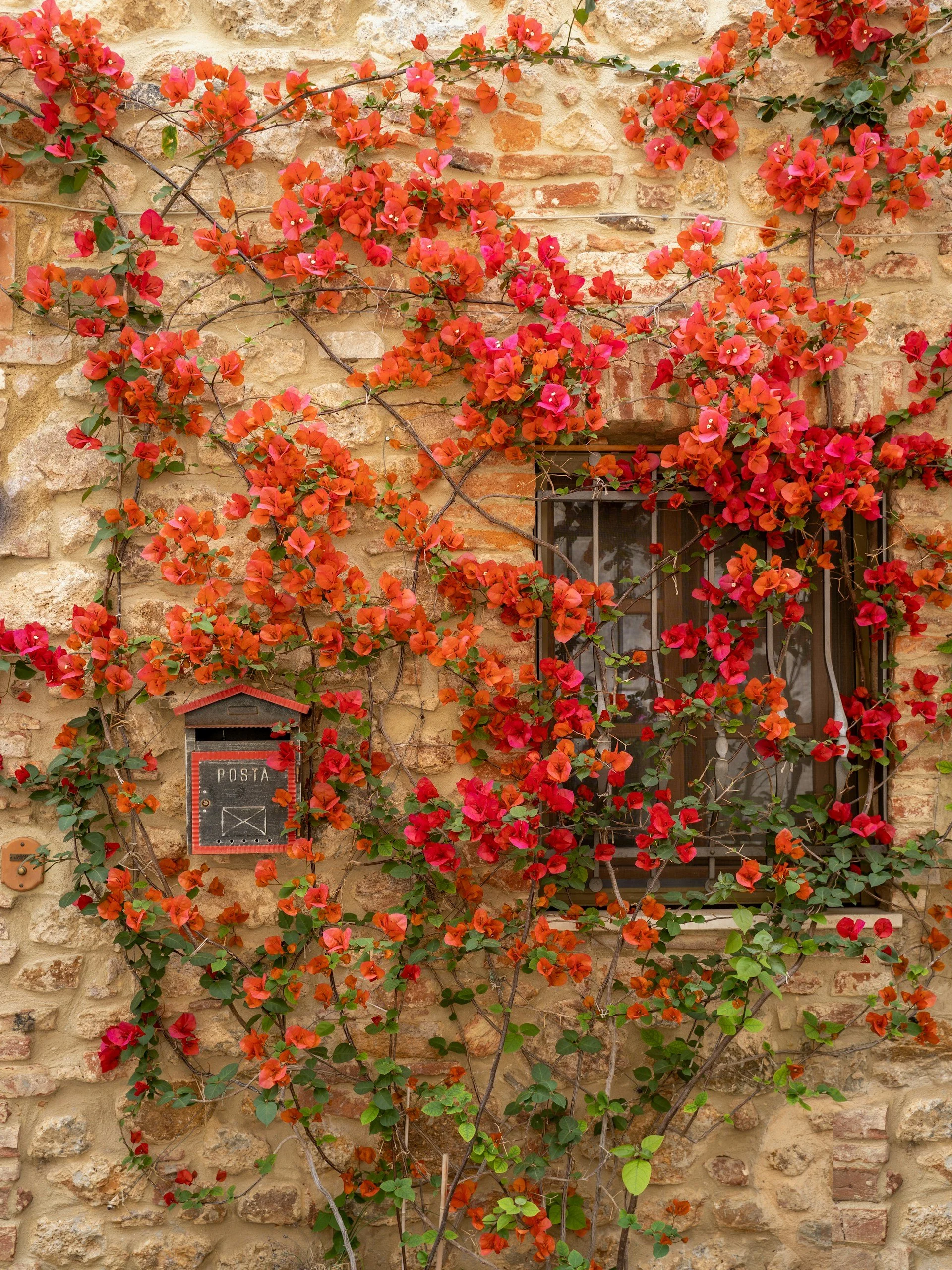
Spring brings wildflowers and a countryside so green it barely looks real. Summer brings heat, long days, and the region at its most lively. Harvest season, typically September into October, brings a special energy to the vineyards and some of the best meals of the year. Late fall and winter bring a quieter, softer version of Tuscany with far fewer visitors. For a deeper look at how to plan around this, our month by month guide to the best time to visit Tuscany walks through each season in detail.
12. Comfortable Shoes Still Matter
People picture countryside resorts and rolling vineyards and somehow forget that they will also be walking through medieval hill towns for hours at a time.
Cobblestones, hills, and ancient stone staircases do not mix well with a brand new pair of sandals. Bring shoes you have already broken in. Your feet, and your photos of you actually smiling instead of wincing, will thank you.
13. Don't Trust Drive Times Without Looking at the Actual Route
A destination might look close on a map, fifteen minutes, maybe twenty. Then you actually drive it, and the winding hill roads, the narrow lane through a town center, and an unplanned stop for a view you could not resist turn that fifteen minutes into forty five.
Tuscany is not a place where you should plan your day down to the minute based solely on Google Maps. Build in buffer time. And when the drive itself turns into part of the experience, which in Tuscany it often does, let it.
14. Leave Room for Nothing
This might be the most important tip on this list, and it is one of the principles we build every itinerary around. Literally schedule nothing into part of your trip.
A free afternoon at an agriturismo with no plan at all. Wandering into a shop because something in the window caught your eye. Sitting in a piazza a little longer than necessary. Another glass of wine. Watching the sunset because you happened to be somewhere beautiful when it started.
Some of Tuscany's best moments are not attractions at all. They are the hour you did not plan.
15. The Best Tuscany Trip Is Built Around You
Not everyone needs Florence plus Siena plus San Gimignano plus Chianti. A wine lover might want something entirely different from an art lover. A couple celebrating their twenty fifth anniversary should not necessarily follow the same itinerary as a multigenerational family gathering for the first time in years.
This is exactly where Italy With Bella comes in. We are an Italy only travel agency, which means every recommendation in this article, and every itinerary we build, comes from places our own team has personally experienced across all twenty of Italy's regions. We do not sell generic packages or large group tours. We plan, we pivot when needed, and we practice patience, because a trip built around who you actually are will always beat a trip built around a list of famous names.
Tuscany rewards travelers who slow down enough to actually be there. The rolling hills and long lunches you pictured are real. They are just easier to find with the right plan, the right pace, and someone who already knows the way.
Ready to Plan Your First Trip to Tuscany?
If you are dreaming of vineyards, hill towns, and long Tuscan lunches, we would love to help you build a trip around exactly what you want to experience. At Italy With Bella, we create fully custom, private itineraries across all 20 Italian regions, personally vetted by our own team.