Where to Stay in Tuscany: The Best Areas for Every Type of Trip
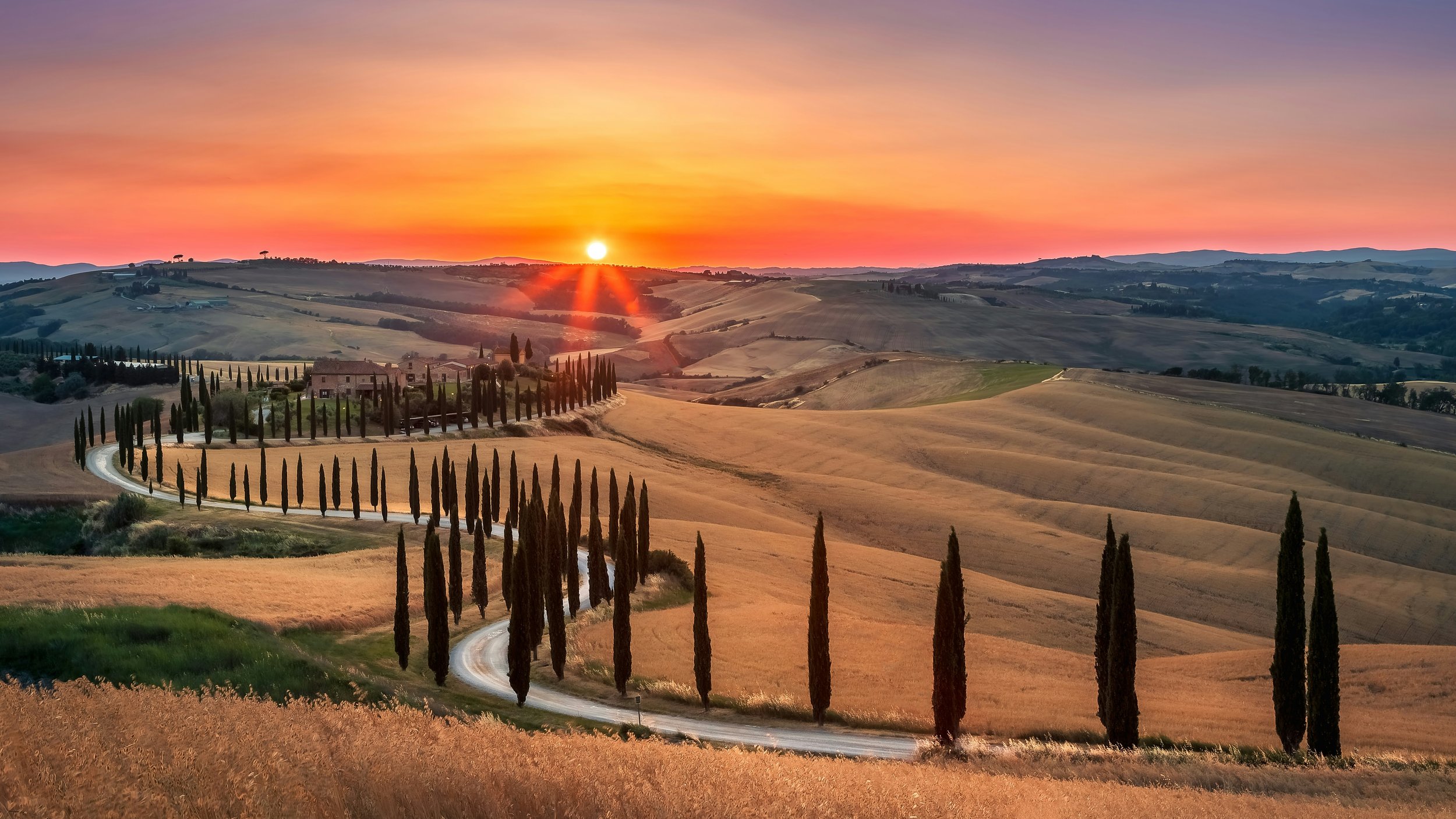
Ask ten travelers to picture Tuscany and you will get ten different images. Someone sees a stone farmhouse ringed by cypress trees. Someone else sees the Duomo rising over Florence's rooftops. Someone else imagines a glass of Brunello on a terrace at golden hour. All of them are right, and that is exactly the problem most first time visitors run into. Tuscany is not one destination. It is a region roughly the size of Massachusetts, made up of hill towns, wine country, a major art capital, and a coastline, and no single base can give you all of it.
This is the question we hear most often at Italy With Bella: where should we actually stay? So we put together an honest breakdown of the areas we send clients to again and again, and what kind of trip each one is actually built for.
Start With How You Want to Feel, Not What You Want to See
Before we get into specific towns, a planning note that shapes every itinerary we build. We typically follow what we call the divide by four rule. If you have twelve days in Italy, that is roughly three bases, not six or eight. Tuscany rewards travelers who slow down and settle in, not ones who repack a suitcase every night. Pick one or two areas below based on the kind of days you want, not just the towns you have seen in photos.
Cortona: For the Traveler Who Wants to Live Like a Local
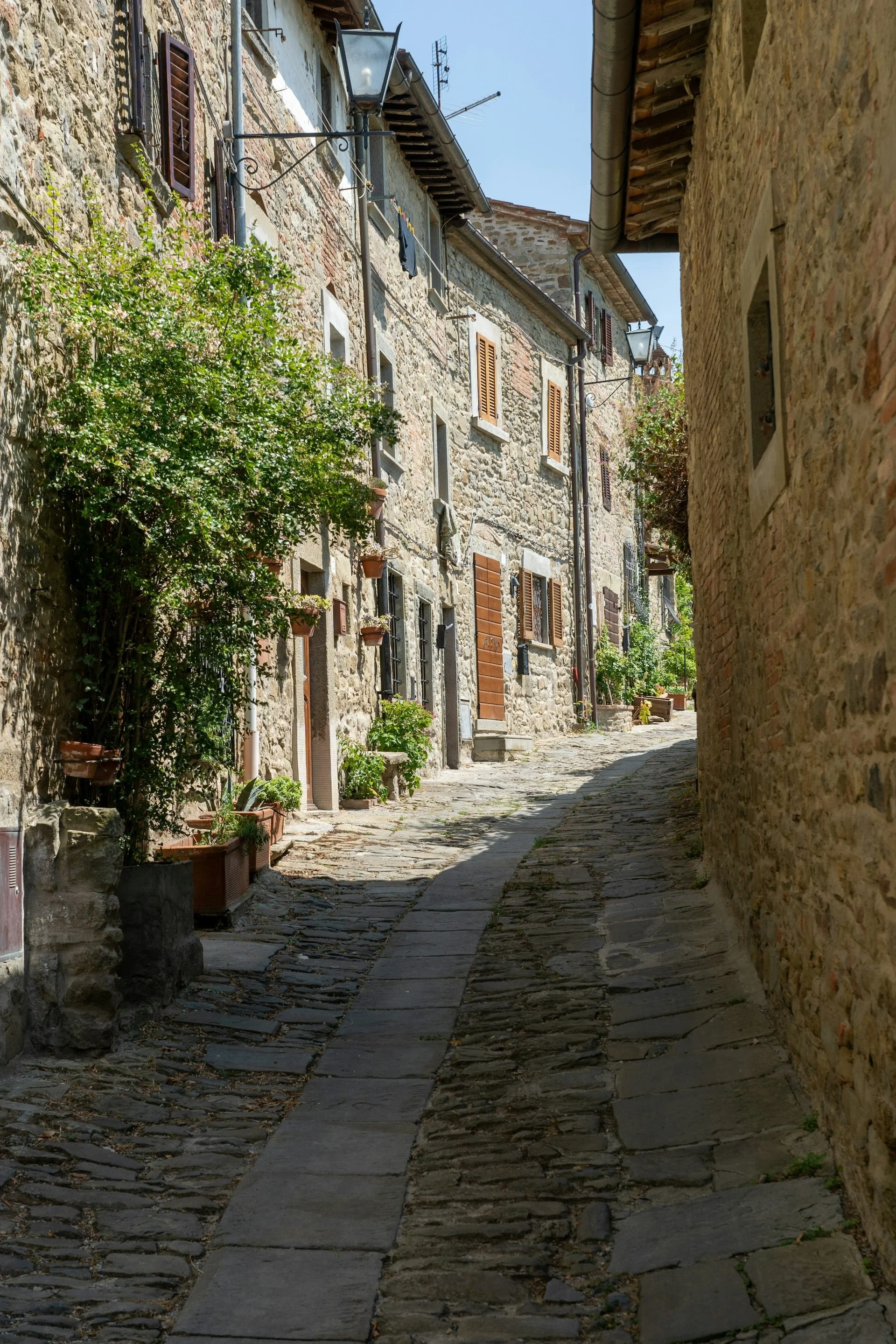
Cortona is our most used base in Tuscany, and for good reason. This hilltop town, made famous by Under the Tuscan Sun, sits at the southeastern edge of the region with sweeping views over the Val di Chiana and easy access to both Tuscany and Umbria. It is walkable, it is atmospheric, and it puts you within reach of Cortona's own jewelry ateliers, family run trattorias, and wine estates without ever needing a car for the day.
What to expect: cobblestone streets, a genuine small town rhythm, and the kind of local relationships that take years to build. We work with Sebastian Del Brenna, whose family has made jewelry in Cortona since 1947 from a palazzo with an Etruscan space beneath it, and with Debora, who leads truffle hunts and wine tastings through the surrounding countryside. For lodging, you might enjoy an adults only retreat with a spa and vineyard, or a simple, family run hotel a short walk from the piazza.
IWB Tip: Cortona has grown popular enough that it now carries a real risk of feeling too polished for a town of its size. We still recommend it, but we pair it with quieter day trips to keep the experience grounded. The train station sits at the base of the hill in Camucia, and Cortona has famously few taxis, so plan your transfer in advance rather than counting on hailing one.
Val d'Orcia: For the Wine Lover and the View Chaser
If the postcard image of Tuscany, rolling hills, cypress lined roads, a stone farmhouse on a ridge, is what brought you here, this is where you will find it. Montepulciano and Pienza sit at the heart of the Val d'Orcia, and the two towns complement each other beautifully. Montepulciano is known for Vino Nobile, one of Tuscany's great red wines, and for cellars carved directly into the hillside beneath the town. Pienza was reshaped in the fifteenth century at the direction of Pope Pius the Second into what is still considered one of the earliest examples of Renaissance urban planning, and today it is equally known for its pecorino cheese.
What to expect: slower days built around wine tastings, long lunches, and views that do not need much narration. This is a region for travelers who want to feel, not just see. Stelle di Monte offers a comfortable four star stay in the center of Montepulciano, and Villa Poggiano is a beautiful option if you have a car and want a bit more privacy on the outskirts.
Siena and Montalcino: For History and Serious Wine Tourism
Siena is the medieval rival that never quite lost to Florence, and it still feels that way. The Piazza del Campo, the shell shaped square at the city's center, is one of the great public spaces in Italy, and the surrounding streets are layered with Gothic architecture and a fierce local identity built around the city's historic neighborhoods. Just south, Montalcino is the home of Brunello, arguably Italy's most celebrated red wine, produced only from grapes grown on the hills surrounding this single hill town.
What to expect: a base for travelers who want their wine tourism paired with real depth of history rather than scenery alone. We send clients into Siena with private walking historians rather than group tours, and into Montalcino for tastings that go well beyond a standard pour. A quick note on the area's most photographed neighbor: San Gimignano, with its medieval stone towers, is worth two hours on a drive between bases. It is not a place we recommend building a stay around, as the day trip crowds can overwhelm the experience the towers were meant to offer.
Florence: For the Art and Culture Seeker
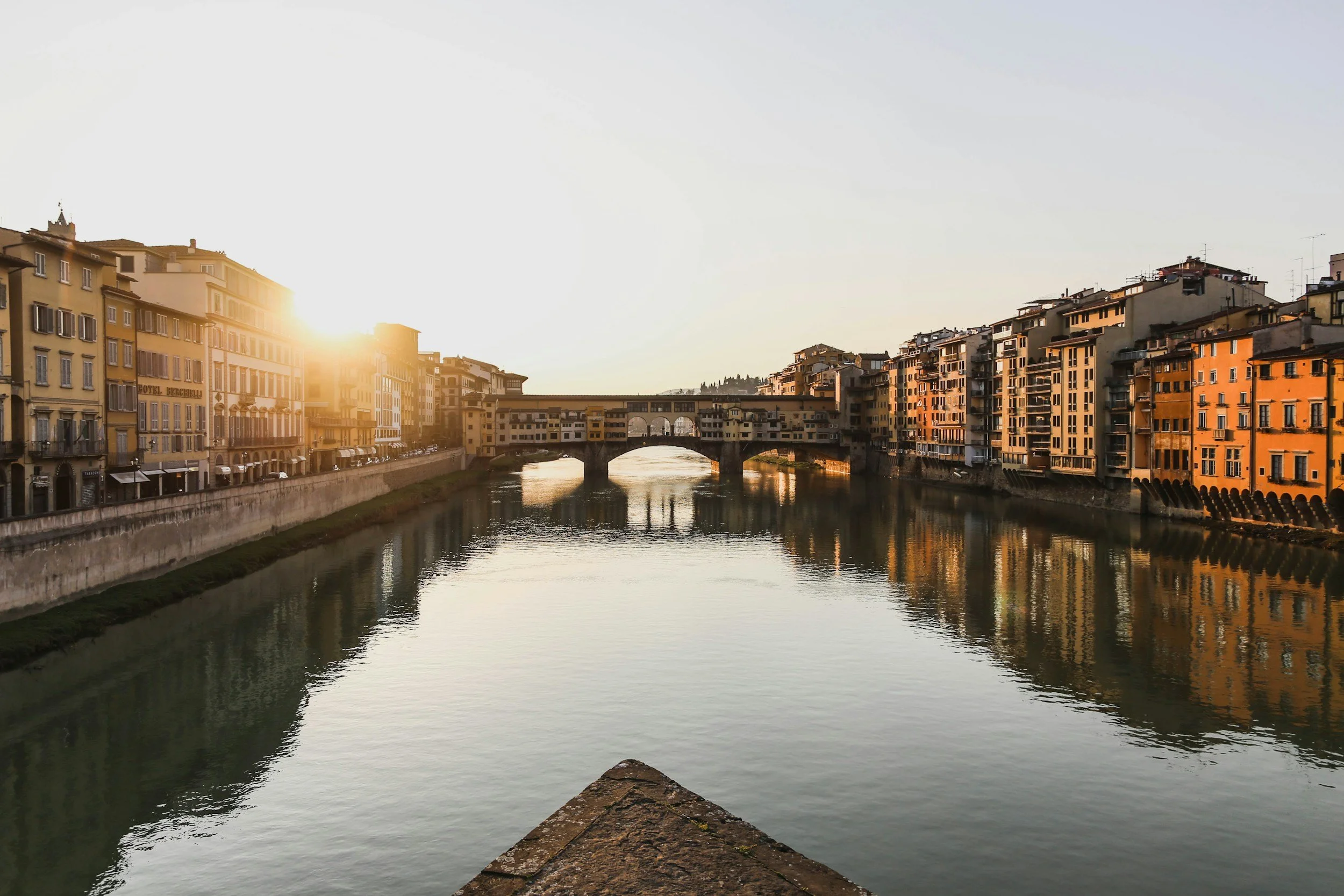
Florence is where the Renaissance happened, and it is unapologetically a city. If your Tuscany trip is really an Italy trip that happens to pass through art history, world class museums, and genuine urban energy, Florence is your base. The Duomo, the Uffizi, and the Accademia are only the beginning. Stay a few extra days and Florence starts to unfold in quieter directions too, a dinner in the hillside town of Fiesole just above the city, a cooking class in the Mugello countryside, a wine afternoon in Chianti.
What to expect: walkable neighborhoods, world class art, and a city that rewards both the checklist traveler and the one who wants to wander without an agenda. Florence pairs naturally with almost every other area on this list as a first or last stop, since regional trains connect it easily to Siena, Lucca, and beyond.
Lucca: For the Traveler Who Wants a Walkable, Easygoing Base
Lucca sits quietly in the shadow of Florence and Pisa, and that has always been part of its appeal. The city is still fully encircled by its Renaissance era walls, wide enough on top to walk or cycle the entire loop of the historic center, a rare and lovely way to see a city from above without a single set of stairs. Lucca is also the birthplace of the composer Giacomo Puccini, and its churches and piazzas carry that same quiet, musical elegance. It has been discovered by travelers in recent years and does see real crowds, particularly in high season, but nowhere near the volume Florence handles. In that sense it sits closer to Cortona than to a major city, well known, well loved, and still manageable.
What to expect: a genuinely walkable old town, a lively but not overwhelming piazza scene, and a pace that still feels unhurried compared to the big Tuscan names.
How to Actually Choose
If you want it simple: choose Cortona for authenticity and access to both Tuscany and Umbria, choose Val d'Orcia for wine and scenery, choose Siena or Montalcino for history and serious wine tourism, choose Florence for art and city energy, and choose Lucca if crowds are your biggest concern. Most of our clients end up combining two of these, one countryside base and one city, following the divide by four rule so that no day feels rushed.
Let Us Help You
Every one of these areas can be the right answer, depending on what kind of traveler you are, and the wrong answer if it is paired with the wrong pace or the wrong season. That is the part a guidebook cannot tell you and we can.
Start with a free consultation at italywithbella.com/schedule. We will help you build a Tuscany trip around how you actually want to feel, not just where the photos look good.