Is the Shoulder Season Still Crowded? The New Reality of Spring and Fall in Italy
For years, travelers heard the same advice: "Visit Italy during the shoulder season."
Avoid the summer heat. Skip the crowds. Enjoy lower prices. Experience a more authentic Italy.
It was excellent advice... until everyone started following it.
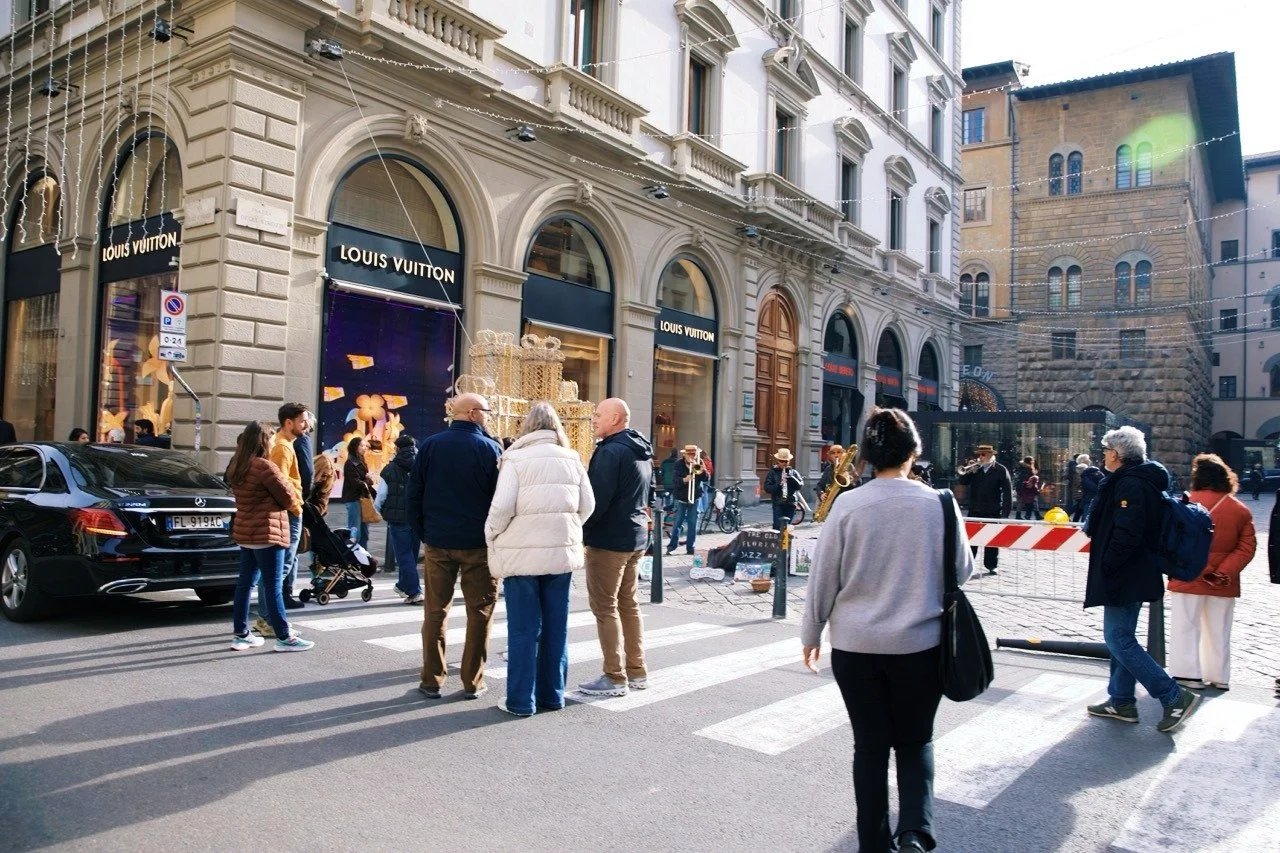
Today, many travelers arrive in Italy during April, May, September, and October expecting quiet piazzas and empty museums, only to find themselves standing in long lines alongside thousands of other visitors who had the exact same idea.
So, is the shoulder season still worth it?
Absolutely.
But travelers need to adjust their expectations.
The Shoulder Season Has Changed
A decade ago, shoulder season often felt like a secret. Hotels had greater availability, popular attractions were easier to access, and major cities felt noticeably less crowded than summer. Today, international tourism has surged, remote work has created more flexible travel schedules, and social media has inspired travelers to visit Italy year-round.
The result?
Spring and fall are now considered peak travel periods in many parts of Italy. In fact, some destinations are now busier in May and September than they were in certain summer months ten years ago. This doesn't mean you should avoid shoulder season. It simply means you should understand what "less crowded" really means today.
Florence, Rome, and Venice Are Popular Year-Round
One of the biggest misconceptions we hear from travelers is: "We're visiting in October, so crowds shouldn't be an issue." The reality is that Italy's most famous cities are busy nearly every month of the year.
Florence
Florence remains one of the most visited cities in Europe (and for good reason - it’s amazing). Spring and fall bring comfortable temperatures that are ideal for walking, making these months particularly attractive to travelers.
Expect:
Busy streets around the Duomo
Crowds at the Uffizi Gallery
Reservations required for major attractions
Popular restaurants booking out well in advance
Rome
Rome's popularity never really slows down.
The Colosseum, Vatican Museums, Trevi Fountain, and Spanish Steps attract visitors every day of the year. While January and February may feel slightly quieter, spring and fall remain extremely active travel periods.
Expect:
Crowded historical sites
Long waits without advance tickets
Busy restaurants in central neighborhoods
Full hotels in desirable locations
Venice
Many travelers assume Venice empties out after summer.
Not anymore.
September and October are now among the most desirable times to visit due to milder temperatures and beautiful light. The result is a city that remains consistently busy throughout much of the year.
Expect:
Crowds around St. Mark's Square
Busy vaporetto routes
Popular hotels selling out months ahead
What Shoulder Season Actually Offers
If shoulder season isn't crowd-free, why do we still recommend it?
Because it offers advantages that have nothing to do with empty streets.
Better Weather
This remains the biggest benefit.
Spring and fall generally provide:
Comfortable walking temperatures
Cooler afternoons
Less humidity
Better conditions for sightseeing
A day exploring Rome in May is dramatically more comfortable than a day exploring Rome in late July.
Longer Experiences
Shoulder season allows travelers to enjoy outdoor dining, vineyard visits, walking tours, and village exploration without the extreme heat that can affect summer itineraries.
Beautiful Landscapes
Italy looks different in every season.
Spring offers:
Wildflowers
Fresh greenery
Blooming gardens
Fall offers:
Harvest season
Vineyard colors
Truffle festivals
Olive harvest experiences
These seasonal experiences often become the highlights of a trip.
If You Want Fewer Crowds, Change the Destination, in peak seasons
This is perhaps the most important travel planning advice we can offer. Many travelers focus on changing dates when they should be changing destinations in peak seasons.
Instead of asking: "When is Florence least crowded?"
Consider asking: "Where can I experience Italy differently?"
The answer often leads to a much richer trip.
Sicily Shines in Spring and Fall
Sicily is one of our favorite recommendations for travelers seeking a different side of Italy.
Spring and fall are ideal because temperatures remain warm while summer's intense heat has faded.
You'll find:
Incredible food culture
Ancient Greek ruins
Charming coastal towns
Exceptional wine regions
More space to explore
Cities like Palermo, Syracuse, and Ragusa offer layers of history without the intensity of Italy's most visited destinations.
The Dolomites Offer a Completely Different Italy
Many travelers are surprised to learn that Italy is home to some of Europe's most spectacular mountain landscapes.
The Dolomites are particularly beautiful during:
Late Spring
Green valleys
Wildflowers
Mild hiking conditions
Early Fall
Crisp air
Golden larch trees
Stunning mountain views
For travelers who have already visited Rome, Florence, and Venice, the Dolomites can feel like discovering an entirely new country.
Consider Northern Lakes Beyond Lake Como
Lake Como has become increasingly popular, but the Italian lake region offers several alternatives worth considering.
Look at:
Lake Orta
Lake Iseo
Lake Garda's quieter towns
These destinations provide beautiful scenery while often feeling more relaxed than Italy's most photographed locations.
Explore Smaller Cities That Deliver Big Experiences
Some of our favorite Italian destinations remain surprisingly overlooked.
Consider:
Bologna
A food lover's paradise with fewer crowds than Florence.
Verona
Historic, walkable, and romantic without the scale of Venice.
Bolzano
A fascinating blend of Italian and Alpine culture that serves as a gateway to the Dolomites.
Matera
One of the most unique cities in Europe, known for its ancient cave dwellings and unforgettable atmosphere.
The Best Italy Trips Balance Icons and Discoveries
We always encourage travelers to see the places they've dreamed about. If Rome has been on your bucket list for twenty years, go to Rome.
If you've always imagined watching the sunset in Venice, absolutely include Venice.
But consider balancing those iconic destinations with places that allow you to slow down.
A trip that combines Florence with Bologna.
Rome with Sicily.
Venice with the Dolomites.
These combinations often create the most memorable experiences because they offer both the famous Italy and the Italy many travelers never discover.
Final Thoughts: The Shoulder Season Is Still Worth It
The shoulder season is no longer Italy's best-kept secret.
Florence, Rome, and Venice remain busy throughout much of the year, and spring and fall are now among the most popular times to visit.
The good news?
Crowds don't have to define your trip.
The key is setting realistic expectations, planning ahead, and considering destinations beyond the usual itinerary.
Italy is far bigger than its three most famous cities.
The travelers who embrace that reality often discover the Italy they remember long after they return home.