Verona's Food Scene: Why This City Deserves More Than a Day Trip
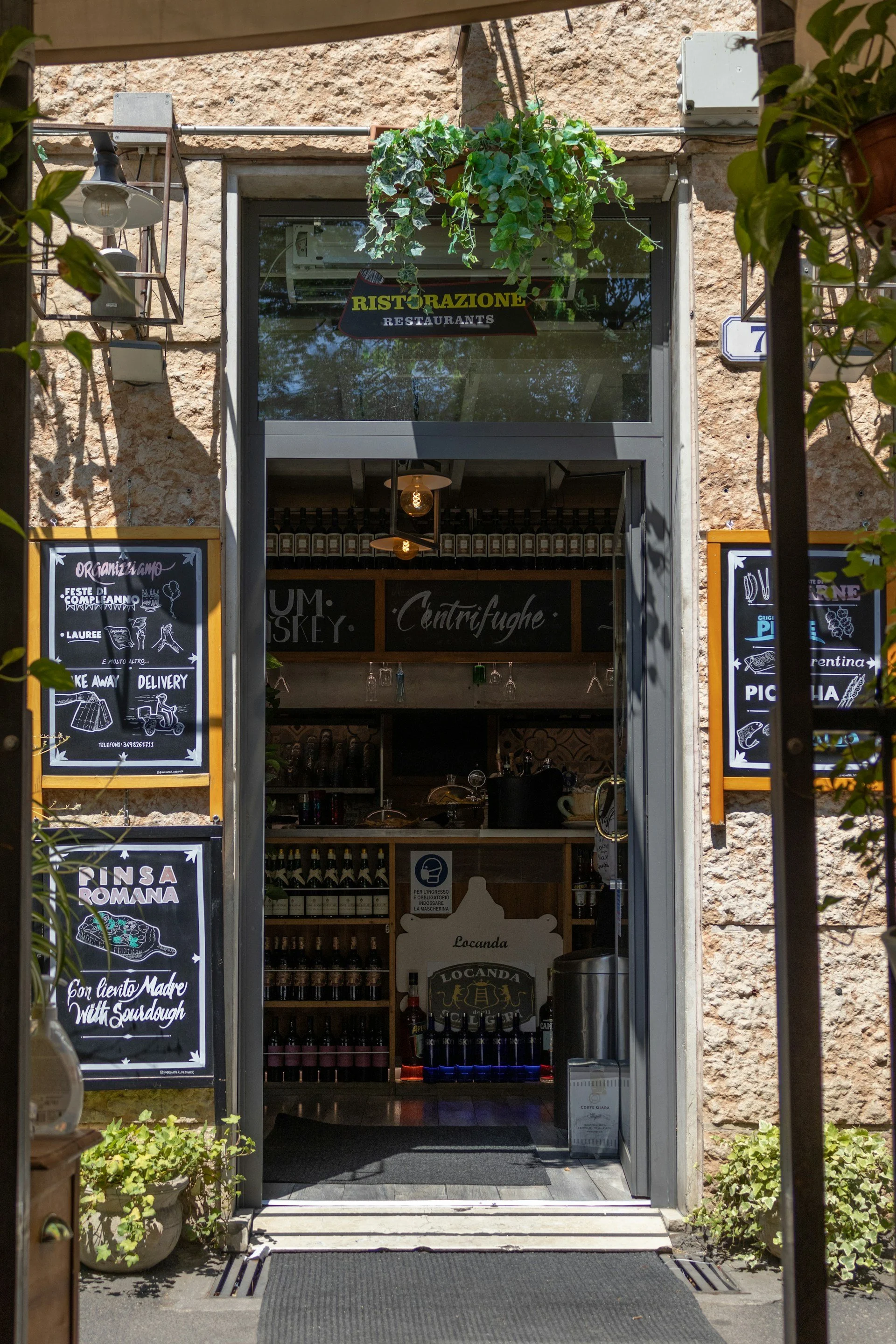
When most travelers think of Verona, they picture Juliet's balcony, a beautiful Roman arena, and charming streets that seem lifted from a storybook. While all of those things are certainly worth seeing, there's another reason Verona deserves a place on your Italy itinerary:
The food.
Too often, Verona is treated as a quick stop between Venice and Lake Garda or as a day trip from Milan. But slowing down here reveals one of northern Italy's most underrated culinary destinations, where centuries-old traditions, world-class wines, and deeply regional dishes come together in a way that feels distinctly Veronese.
At Italy With Bella, we've found that travelers who spend at least a couple of nights in Verona often leave wondering why they didn't stay longer. The city offers the perfect balance of culture, walkability, authenticity, and exceptional food without the crowds that often define Italy's more famous destinations.
If you're looking for an Italian city where you can truly eat like a local, Verona deserves your attention.
A Food Culture Rooted in Place
One of the things we love most about Verona is that its cuisine feels deeply connected to the surrounding landscape.
Located in the Veneto region, Verona sits between fertile agricultural plains, the vineyards of Valpolicella, and the foothills leading toward Lake Garda and the Dolomites. That geography has shaped a culinary identity centered on rice, wine, cured meats, cheeses, and hearty comfort foods. Unlike much of Italy, where pasta dominates the menu, Verona is known for its risotto culture thanks to the nearby rice-growing area of Isola della Scala.
The result is a cuisine that feels rich, seasonal, and incredibly satisfying.
Risotto all'Amarone: The Dish You Can't Leave Without Trying
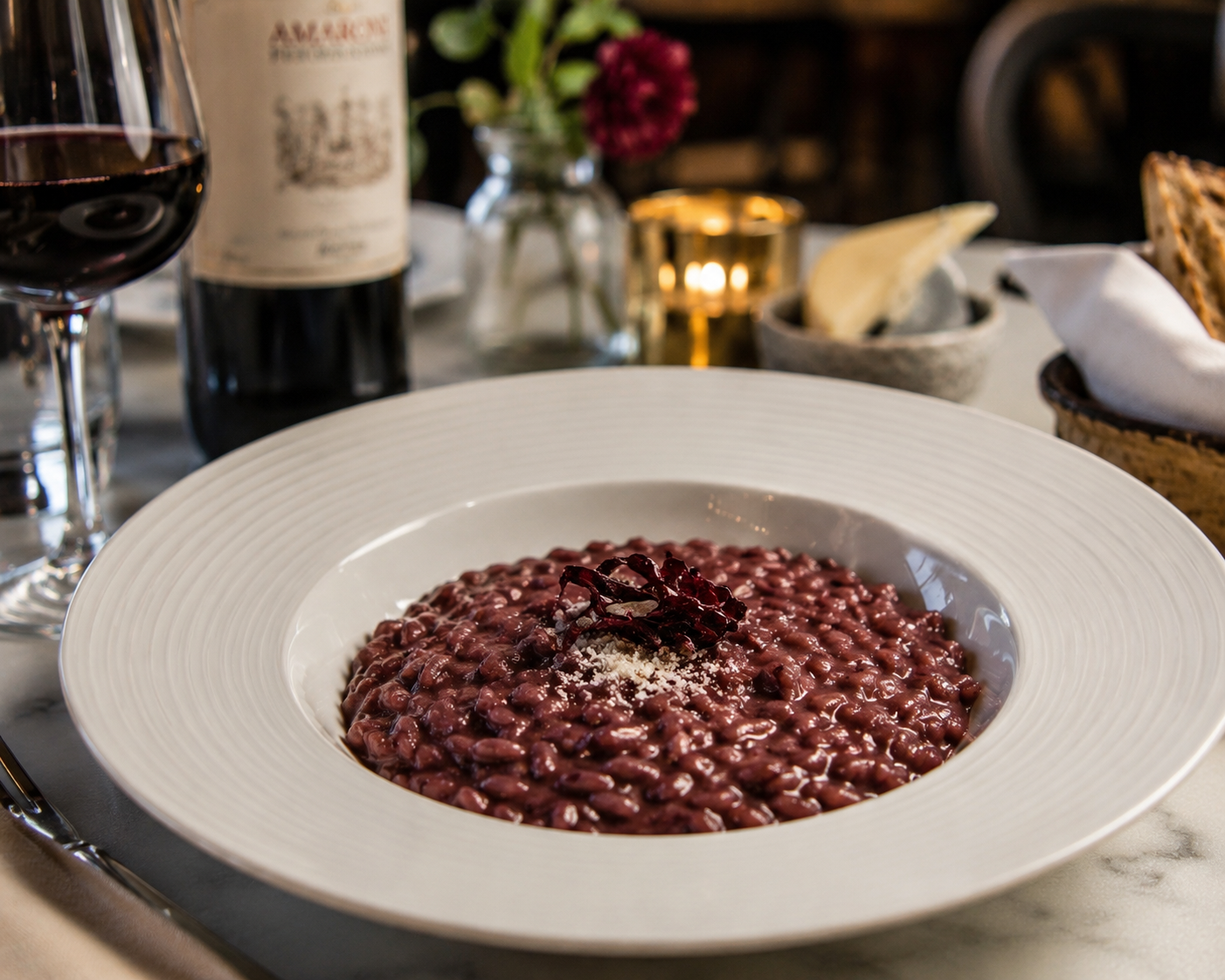
If there is one dish that defines Verona, it is Risotto all'Amarone.
Made with Vialone Nano rice and the region's famous Amarone della Valpolicella wine, this dish transforms simple ingredients into something unforgettable. The rice slowly absorbs the wine, creating a creamy risotto with a deep ruby color and complex flavors of dark fruit, earth, and spice.
It is rich without being heavy and elegant without being pretentious.
For many travelers, this dish alone becomes a highlight of their time in Verona.
And unlike many famous Italian foods that feel geared toward tourists, Risotto all'Amarone remains a genuine local favorite. It tells the story of Verona's agricultural heritage, its wine culture, and its commitment to preserving regional traditions.
The Wines Are Every Bit as Good as the Food
One of Verona's greatest advantages is its proximity to some of Italy's most celebrated wine regions.
Just outside the city lies Valpolicella, home to Amarone, Ripasso, and Valpolicella Classico wines. Nearby Soave produces elegant white wines that pair beautifully with seafood and lighter dishes.
Because the vineyards are so close, wine isn't simply an accompaniment to the meal. It's part of the city's identity.
A short excursion into the countryside can take you through rolling vineyard landscapes where family-owned wineries have been producing wine for generations. For travelers interested in food and wine experiences, Verona often provides a more intimate and approachable alternative to Tuscany's busier wine regions.
Traditional Dishes Most Visitors Never Discover
Verona's culinary story extends far beyond risotto.
Travelers willing to explore local menus will encounter dishes that have been part of Veronese culture for centuries.
Pastissada de Caval
Perhaps Verona's most famous historic dish, Pastissada de Caval is a slow-cooked stew traditionally made with horse meat and red wine, often served alongside creamy polenta. The dish traces its origins back more than 1,500 years and remains an important part of local culinary heritage.
While not every traveler chooses to try it, the dish offers a fascinating glimpse into Verona's history and food traditions.
Bigoli
Bigoli is a thick, rustic pasta that showcases the region's love of hearty flavors. Often served with rich meat sauces such as duck or donkey ragù, it offers a distinctly northern Italian take on pasta.
Polenta
Throughout Verona, you'll find polenta served alongside many traditional dishes. Whether creamy or grilled, it remains one of the foundational foods of the Veneto region.
Pearà
This traditional bread and black pepper sauce is uniquely Veronese and often served alongside boiled meats. It may sound simple, but it reflects the resourcefulness and culinary creativity that define local cuisine.
Don't Skip Dessert
Many travelers know pandoro as a Christmas cake sold throughout Italy, but few realize that it originated in Verona. The city's bakers have been perfecting this buttery, golden, star-shaped dessert for generations.
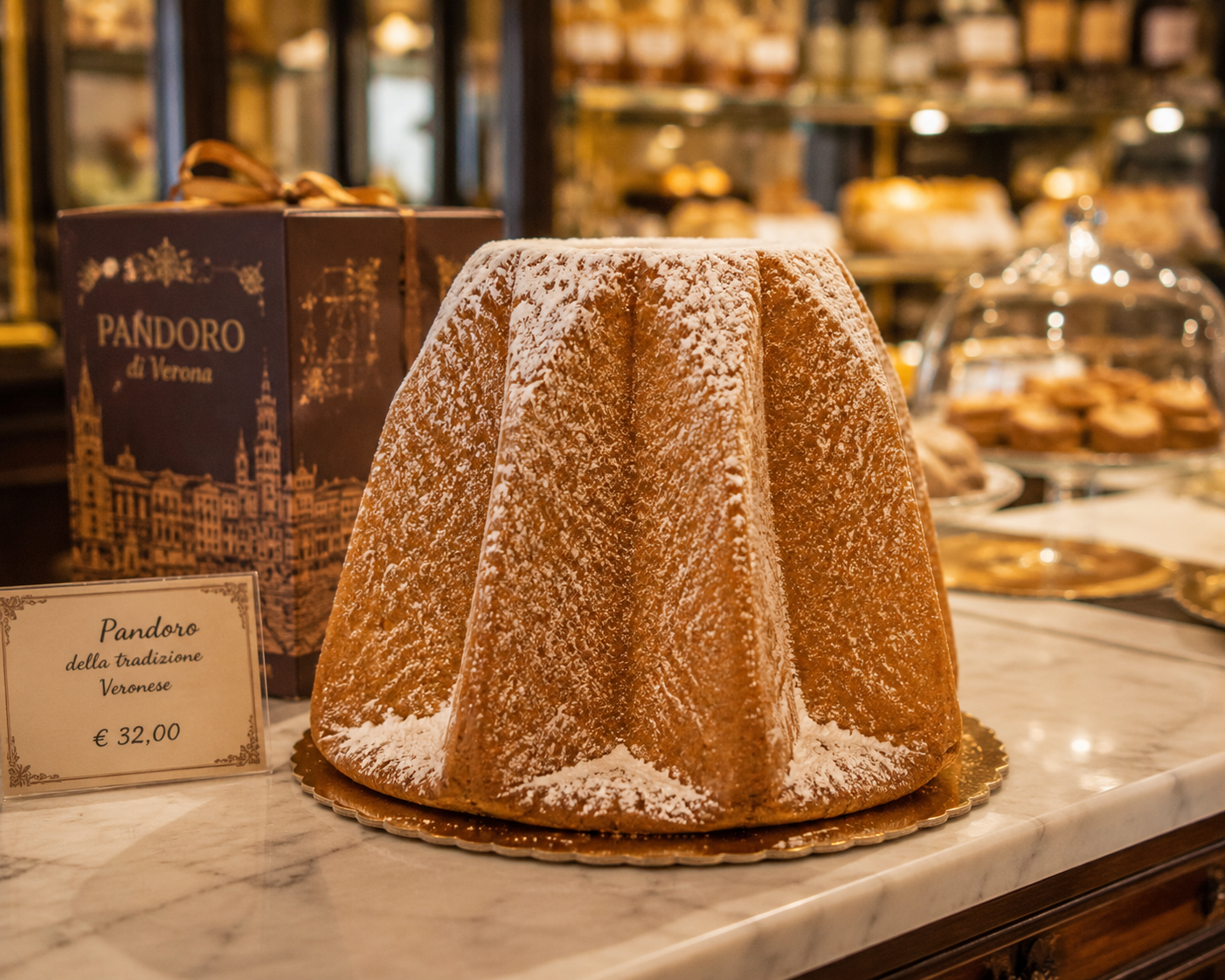
Even outside the holiday season, Verona's pastry shops are worth visiting. You'll find beautiful displays of cakes, pastries, and local sweets that make the perfect afternoon break between sightseeing stops.
One of our favorite ways to experience Verona is exactly as the locals do:
Slow down. Order a coffee. Enjoy a pastry. Watch the city move around you.
The Osteria Culture Makes Verona Special
Part of what makes Verona such a rewarding food destination is that it still feels local.
Unlike some of Italy's more heavily visited cities, Verona retains a strong neighborhood dining culture. Family-run osterias, wine bars, and trattorias line quiet streets away from the main attractions.
Here, meals are not rushed.
Servers often know their regular guests. Menus change with the seasons. Wine lists focus heavily on local producers.
It's the kind of dining experience many travelers hope to find in Italy but sometimes struggle to discover in larger cities.
Why We Recommend Staying at Least Two Nights
Food is one of the biggest reasons we encourage travelers to spend more than a few hours in Verona.
A day trip allows you to see the highlights.
An overnight stay allows you to experience the city.
A second evening means lingering over dinner without watching the clock. It means enjoying an aperitivo in a piazza, discovering a neighborhood wine bar, or taking a leisurely morning stroll to a local café before the crowds arrive.
Verona rewards travelers who move slowly.
And in a country where many itineraries become a race from one famous landmark to the next, that slower pace can feel like a breath of fresh air.
Is Verona Worth Visiting for Food Lovers?
Absolutely.
While cities like Florence, Rome, Bologna, and Naples often dominate conversations about Italian cuisine, Verona quietly delivers one of the most authentic and enjoyable food experiences in the country.
It combines exceptional wine, distinctive regional dishes, historic dining traditions, and a manageable size that makes exploration easy.
For travelers seeking a deeper connection to Italy's culinary culture, Verona isn't simply a stop along the way.
It's a destination in its own right.
And once you've spent an evening sipping Amarone and enjoying a bowl of risotto as the city lights begin to glow, you'll understand exactly why.