Italian Culture Explained: Understanding the Heart and Soul of Italy
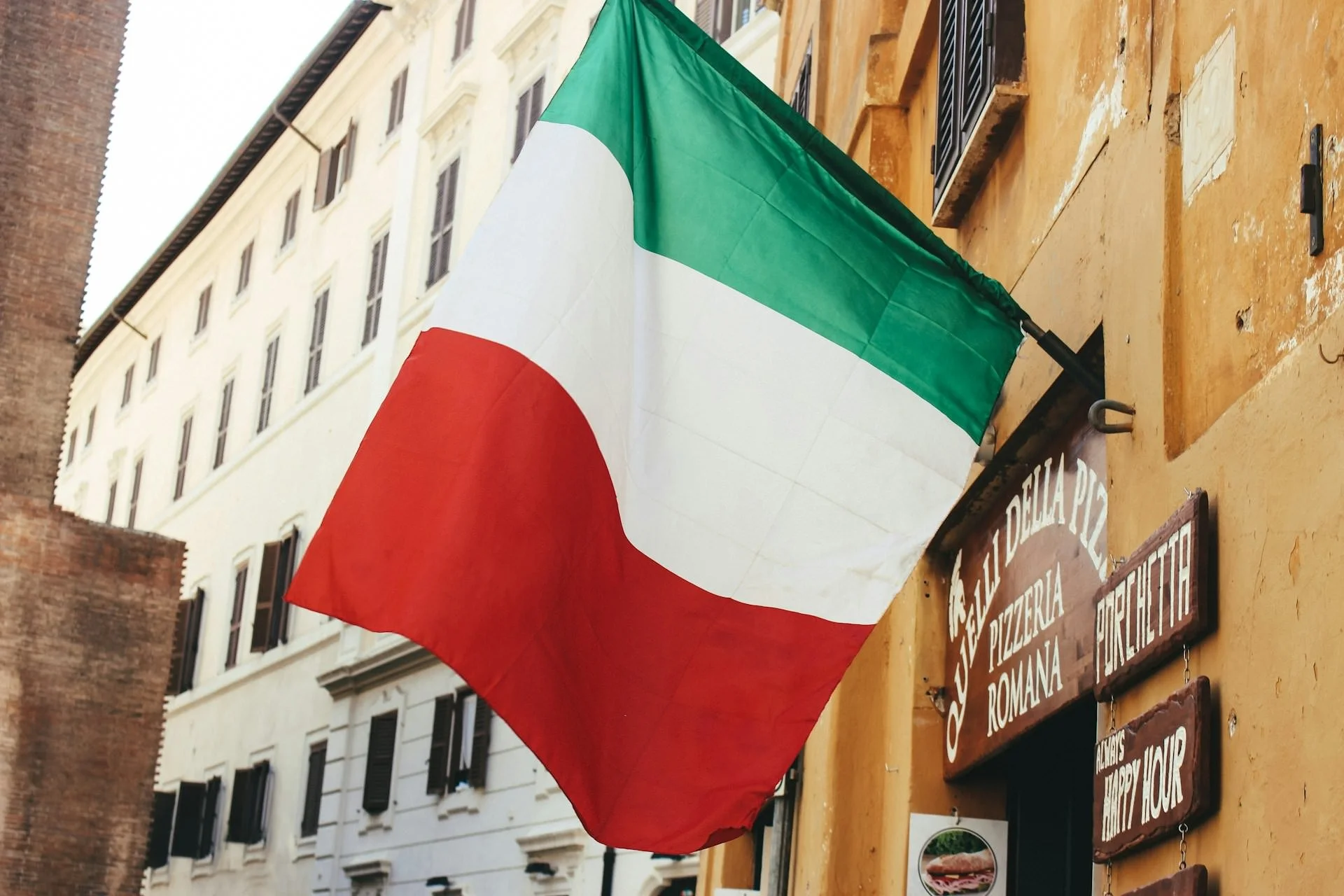
Italy is famous for its art, food, wine, and breathtaking landscapes. But what truly makes Italy special is its culture.
For travelers, understanding Italian culture can transform a trip from a simple vacation into a deeper, more meaningful experience. The Italy you'll remember most isn't just found in the monuments of Rome or the canals of Venice. It's found in long conversations over dinner, afternoon strolls through historic piazzas, and the way Italians prioritize relationships, family, and enjoying life's simple pleasures.
At Italy With Bella, we often tell travelers that the most memorable moments in Italy aren't always the ones listed in guidebooks. They're the moments when you begin to experience Italy the way Italians do.
What Is the Main Culture of Italy?
Italian culture is built around community, family, tradition, and quality of life.
While each region has its own customs, dialects, and traditions, there are several values that connect the country from north to south:
Strong family relationships
Pride in local traditions
Appreciation for good food and wine
Respect for history and craftsmanship
Emphasis on social connection
A slower, more intentional pace of life
Unlike many cultures that celebrate productivity above all else, Italians often prioritize living well. The concept of enjoying the moment is deeply woven into everyday life.
You'll notice this whether you're sipping espresso in a village café, shopping at a local market, or spending hours over a multi-course dinner.
Core Values & Lifestyle
Family Comes First
Family remains at the center of Italian life.
Multiple generations often live close to one another, and family gatherings are frequent. Sunday lunches, holidays, and celebrations bring relatives together around the table.
Visitors often notice that Italian cities and villages feel more community-oriented than many places in the United States. Relationships matter, and people make time for them.
Quality Over Quantity
Whether it's food, clothing, furniture, or travel experiences, Italians generally value quality over excess.
This mindset influences everything from how meals are prepared to how cities preserve historic buildings and traditions.
The Art of Slowing Down
One of the biggest cultural lessons travelers take home from Italy is learning to slow down.
In Italy, a meal isn't something to rush through. Coffee isn't always grabbed to-go. Evenings are often spent walking through town centers, chatting with friends, and enjoying the atmosphere.
The famous passeggiata, an evening stroll through town, remains a beloved tradition throughout much of Italy.
What Time Do People Go to Bed in Italy?
One of the biggest surprises for first-time visitors is how late daily life can feel compared to the United States. Many Italians eat dinner between 8:00 PM and 10:00 PM, especially in southern Italy and during the summer months. As a result, bedtime is often later as well. It's not uncommon for adults to stay awake until 11:00 PM, midnight, or later, particularly on weekends and during social gatherings.
Children are also frequently seen out later than many American travelers expect.
This later schedule is one reason we often encourage Italy With Bella travelers not to overbook early morning activities every day. Embracing the local rhythm can make your trip feel far more authentic and enjoyable.
Food and Dining Culture
Food is one of the most important parts of Italian culture. Meals are not simply about eating. They are about connection, conversation, and tradition.
Regional Pride
There is no single "Italian food." Every region has its own specialties, ingredients, and culinary traditions.
A traveler moving from Sicily to Tuscany to Veneto may feel like they're experiencing three entirely different food cultures. Local pride runs deep, and many recipes have been passed down through generations.
Dining Is an Experience
Meals are often slower and more social than what many American visitors are accustomed to.
A traditional dinner may include:
Antipasti (appetizers)
Primo (pasta, risotto, or soup)
Secondo (protein course)
Contorno (side dish)
Dolce (dessert)
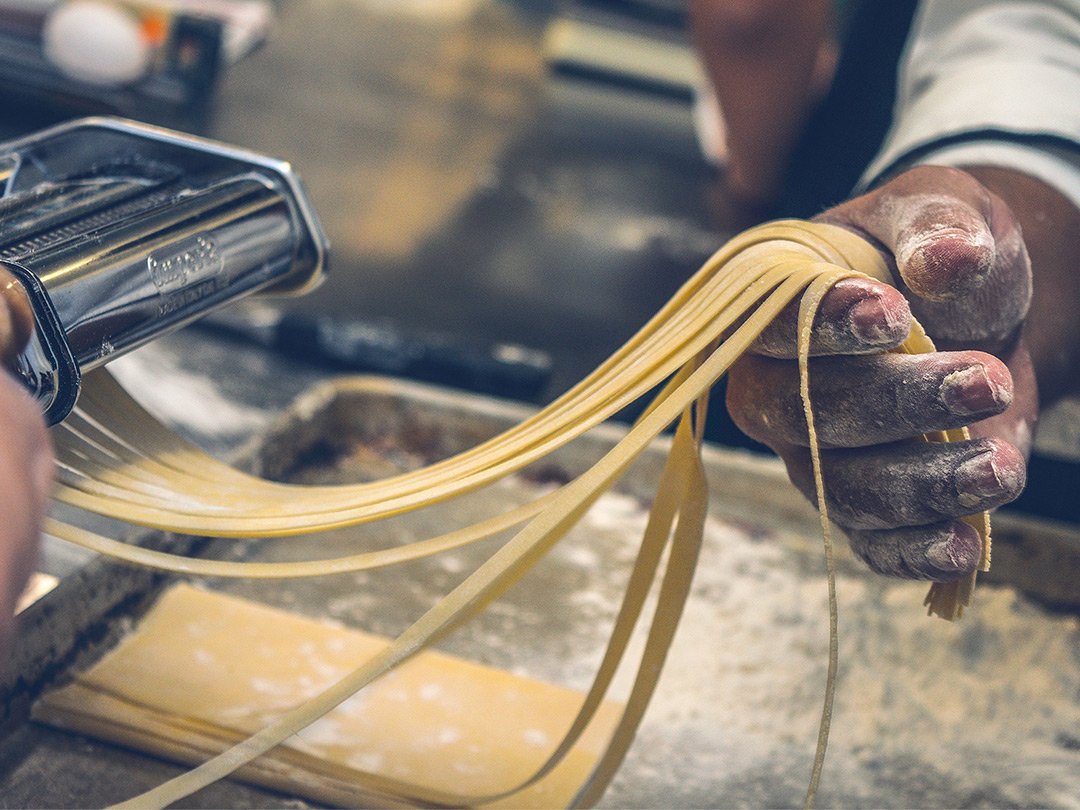
While travelers don't need to order every course, understanding the structure helps make dining more enjoyable.
Coffee Culture
Coffee in Italy follows its own set of traditions.
Espresso is the standard. Cappuccinos are typically enjoyed in the morning rather than after dinner. While nobody will scold a tourist for ordering differently, observing local customs can be a fun way to engage with Italian culture.
Social Customs & Etiquette
Greetings Matter
Italians tend to be warm and friendly.
A simple "Buongiorno" (good morning) or "Buonasera" (good evening) when entering a shop or restaurant is appreciated.
Acknowledging people before making a request is considered polite.
Dress Well

You don't need designer clothing, but Italians generally take pride in their appearance.
One reason we encourage travelers to think carefully about what they pack is that blending in often means choosing polished, comfortable clothing rather than athletic wear.
Respect Historic Spaces
Churches, cathedrals, and religious sites remain active places of worship.
Appropriate clothing and respectful behavior are expected when visiting.
Tipping Is Different
Unlike in the United States, tipping is not a major part of Italian culture.
Many restaurants include a service charge or coperto (cover charge). Small tips for exceptional service are appreciated but not expected.
What Are the Big 3 in Italy?
Travelers often hear people refer to Italy's "Big Three" cities:
Rome
Italy's capital and one of the world's greatest historic cities. Ancient ruins, Vatican City, iconic landmarks, and vibrant neighborhoods make Rome a must-see destination.
Florence
The birthplace of the Renaissance, Florence offers world-class art, architecture, and access to Tuscany's countryside and wine regions.
Venice
Perhaps the most unique city in the world, Venice captivates visitors with its canals, history, and atmosphere unlike anywhere else.
While these destinations deserve their popularity, one of the things we love most at Italy With Bella is helping travelers discover what lies beyond them. Places like Verona, Bologna, Sicily, Puglia, the Dolomites, and countless smaller villages often become the most cherished memories of a trip.
Arts & Heritage
Italy's cultural influence on the world is difficult to overstate.
The country is home to more UNESCO World Heritage Sites than almost any nation on Earth and has shaped art, architecture, music, fashion, literature, and design for centuries.
The Renaissance Legacy
Artists like Leonardo da Vinci, Michelangelo, and Raphael transformed Western art and continue to influence culture today.
Visitors can stand before masterpieces that have inspired generations.
Architecture Everywhere
One of the remarkable aspects of Italy is that history isn't confined to museums.
Ancient Roman ruins, medieval villages, Renaissance palaces, and Baroque churches are woven into everyday life.
Living Traditions
Italian culture isn't frozen in the past.
Local festivals, food traditions, artisan workshops, and regional celebrations continue to thrive today, connecting modern Italians to centuries of history.
Why Understanding Italian Culture Matters
The travelers who fall most deeply in love with Italy are often the ones who embrace its culture rather than simply checking landmarks off a list.
Understanding the rhythms of daily life, appreciating local customs, lingering over meals, and allowing time for unexpected moments can completely change the way you experience the country.
At Italy With Bella, that's exactly what we aim to create. Beyond iconic sights and beautiful hotels, we help travelers connect with the Italy that locals know and love.
Because the true magic of Italy isn't just what you see.
It's how Italy teaches you to live.