The Italian Passeggiata: What It Is, Why Italians Live By It, and Why You Should Too
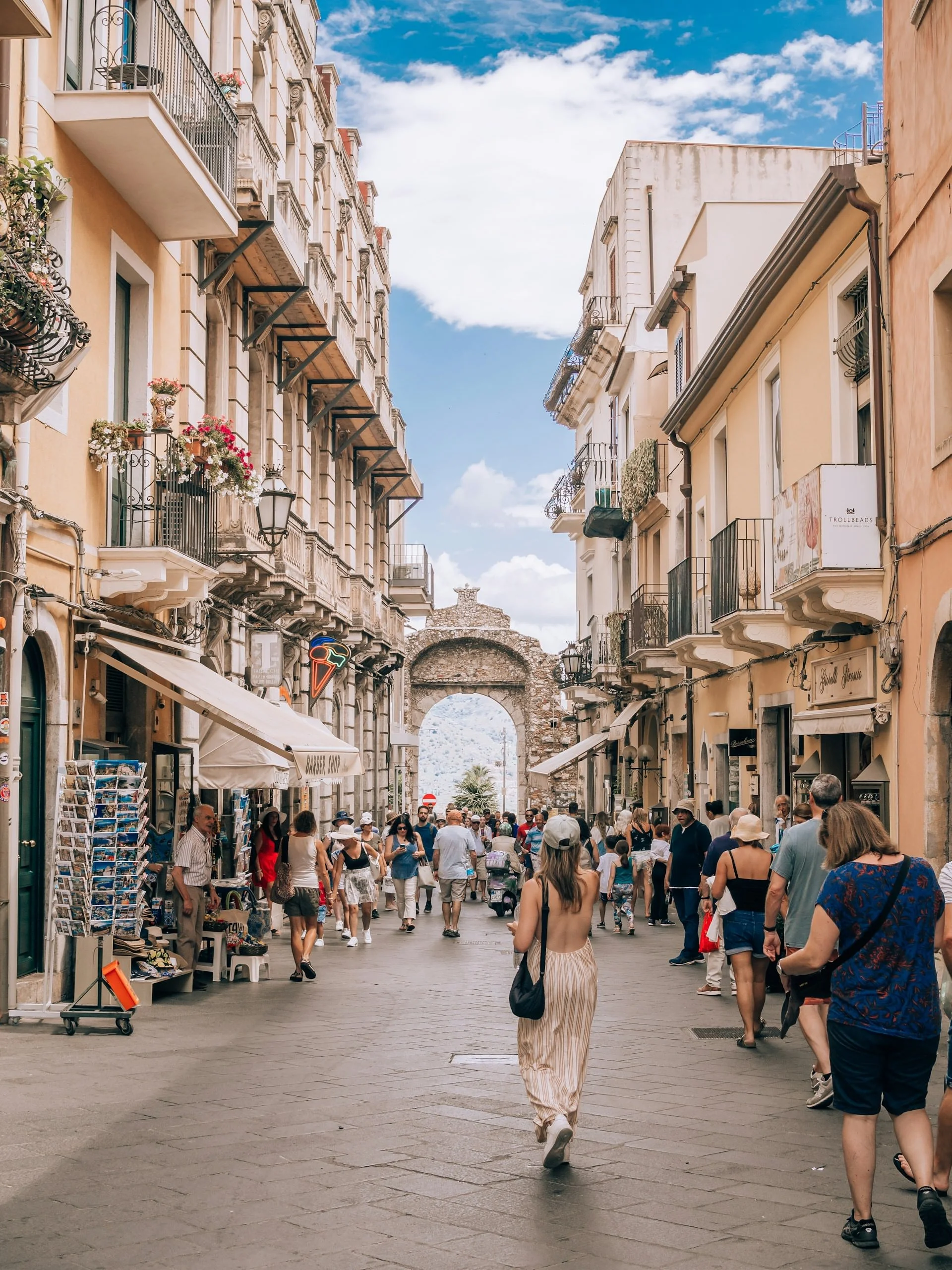
There is a moment that happens in nearly every Italian town, every single evening, like clockwork.
The afternoon heat softens. The light shifts from harsh white to a warm, golden amber. Shutters open. Espresso cups are set down. And then, as if on a signal that only Italians can hear, people begin to appear on the streets.
Old men in pressed trousers and clean shoes. Mothers with strollers. Teenagers in pairs and clusters. Couples of all ages, arm in arm. Grandparents moving slowly, savoring every step. They are not going anywhere in particular. They are not in a hurry. They are simply walking together, seeing and being seen, breathing in the evening air, and participating in one of the most ancient social rituals in the world.
This is the passeggiata (pah-seh-JAH-tah). And if you have never done one on an Italy trip, you have been missing the soul of the place.
What Is the Passeggiata?
At its most literal, passeggiata simply means "a stroll" or "a walk." But as a cultural institution, it is something far richer than a walk.
The passeggiata is the Italian evening promenade: a daily ritual, typically taking place between roughly 5:00 p.m. and 8:00 p.m., in which community members dress up (at least a little), step outside, and walk back and forth along a central corso, piazza, or main street. It is leisurely, social, and entirely unhurried.
There are a few things that make the passeggiata distinct from simply going for a walk:
It is communal. The passeggiata happens in public, in the center of town, where everyone can participate. You see your neighbors, your friends, your barista, your butcher. You stop and chat. You catch up.
It has a rhythm. People tend to walk the same routes, the same stretch of pavement or piazza, back and forth. The path matters less than the ritual of moving through it together.
It is dressed-up. Italians do not go on the passeggiata in gym clothes. You put on something presentable. Hair is done. Shoes are clean. The passeggiata is about being part of the public fabric of life, and that carries a small, graceful sense of pride.
It is unhurried by design. There is no destination. No errand to run. No place to be. The passeggiata exists purely for connection, presence, and the pleasure of moving through the world at a human pace.

A Ritual With Deep Roots: The History of the Passeggiata
The passeggiata is not a modern habit born from the slow-food movement or some Instagram trend. It has been woven into Italian life for centuries.
Its roots reach back to ancient Rome, where the concept of the deambulatio, a deliberate, leisurely walk taken for pleasure and conversation, was considered a mark of a civilized life. Roman philosophers walked and talked. Public life was performed in the open air of the forum.
During the Renaissance, Italian cities became theaters of social life. The piazza was not just a physical space; it was the stage on which civic identity was displayed. Walking through it, greeting neighbors, showing one's presence in the community, was part of what it meant to be a citizen. Merchants, aristocrats, clergy, and common people all moved through the same streets. To be seen was to belong.
By the 18th and 19th centuries, the passeggiata had solidified into the structured evening ritual Italians still observe today. In the era before cinema, television, and smartphones, the passeggiata was the entertainment. It was where gossip traveled, where young people were introduced, where deals were quietly made, where community news passed from person to person.
Even in periods of hardship, including wars, economic crises, and political upheaval, Italians kept walking. The passeggiata is, in many ways, an act of resilience. A quiet insistence on beauty, on connection, on life.
Why Italians Still Do It: The Philosophy Behind the Ritual
Italy is one of the world's leading countries for longevity and quality of life. Researchers studying the so-called "Blue Zones," regions where people consistently live longer, healthier lives, have pointed to a combination of diet, movement, and deeply embedded social connection as key factors. The passeggiata is not incidental to that picture. It is central to it.
Here is what the passeggiata actually provides, beyond the pleasure of it:
Daily movement, built into the culture. Italians do not think of the passeggiata as exercise, but it is gentle, consistent physical activity every single day. Not intense, not performative, simply moving as a natural part of living.
Face-to-face social connection. Study after study points to loneliness as one of the greatest threats to human health. The passeggiata structurally prevents isolation. When you walk out your door every evening and see your neighbors, your community, the people who make up the fabric of your world, you are maintained by relationship in a way that is impossible to replicate via a screen.
Transition and rest. In Italian culture, the passeggiata functions as a deliberate transition between the work day and the evening. It is a decompression, a way of leaving the stresses of the afternoon behind before sitting down to dinner. Many Italians will tell you that they cannot fully relax at the dinner table unless they have first walked.
Beauty, freely available. There is something that happens when you slow down enough to notice your surroundings. A church facade you have walked past a hundred times. The quality of light on an old stone wall. The smell of something cooking from an open window. The passeggiata creates the conditions for noticing, for being present to the world around you in a way that rushing eliminates.
Belonging. Perhaps most deeply, the passeggiata is about being a part of something larger than yourself. Your town. Your community. Your Italy. Walking the corso with your neighbors is an act of participation in a shared life.
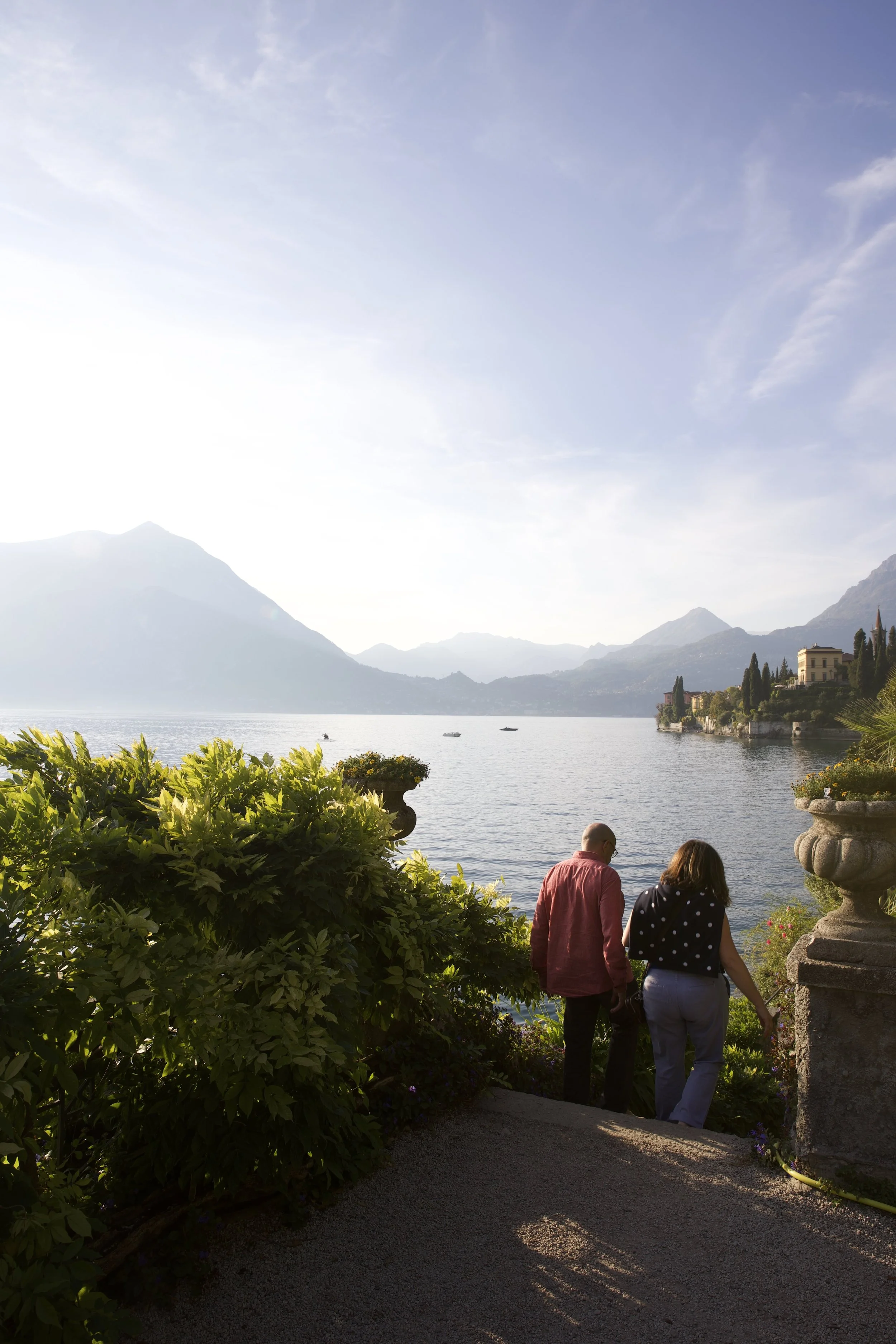
The Passeggiata and Italy's Slow Living Philosophy
Italy is often described as a country that lives well. What does that actually mean, and where does the passeggiata fit in?
At Italy With Bella, we talk about slow travel as the guiding principle behind how we design every trip. That means protecting your arrival day instead of jamming it with activities. It means eating where locals eat, in the region that the dish comes from. It means choosing fewer places and going deeper into each one rather than racing across the whole country in a blur.
The passeggiata is slow living made tangible. It is the Italian proof that you do not need a destination to have a meaningful experience. It is the daily practice of choosing presence over productivity, connection over consumption, beauty over efficiency.
This is not an Italian quirk. It is a philosophy. And it is one of the reasons that so many travelers return from Italy feeling changed in a way they struggle to articulate. They ate slower. They walked slower. They talked to strangers. They sat in piazzas with no agenda. They did the passeggiata. And something shifted.
Where to Experience It: Passeggiata Across Italy
One of the beauties of the passeggiata is that it is everywhere in Italy. From the grandest cities to the tiniest hilltop villages, the ritual repeats itself each evening. That said, certain places are especially famous for the experience.
In small towns and villages, the passeggiata is at its most pure and intimate. Everyone knows everyone. The corso might be only a few hundred meters long, but it will be walked back and forth dozens of times, with stops for conversation at every turn. If you want to feel what Italy really is, find a small town in the early evening and simply walk.
In Rome, neighborhoods like Trastevere, Prati, and Pigneto come alive in the early evening with locals mixing alongside visitors. Campo de' Fiori and the streets around Piazza Navona have their own version of the ritual, though more cosmopolitan in flavor.
In Bologna, the porticoes (the famous covered walkways that stretch for miles through the city) were practically designed for the passeggiata. Bolognesi move through them with a particular elegance that feels like centuries of practice, because it is.
In Sicily, the passeggiata carries an especially Mediterranean warmth. In towns like Noto, Ragusa Ibla, or Taormina, the evening stroll happens against a backdrop of Baroque architecture glowing gold in the fading light. It is one of the most beautiful things you can witness in Italy.
In Tuscany, the small hill towns, Cortona, Montepulciano, Montalcino, Pienza, each have their own passeggiata rhythms. There is something particularly lovely about walking through a medieval hill town in the hour before dinner, when the day tourists have left and the town belongs entirely to itself again.
In the Veneto, cities like Padova, Verona, and Vicenza have long, graceful pedestrian corridors perfect for the evening stroll. Even Venice, for all its tourist intensity, has its own passeggiata in the quieter sestieri, away from the crowds around San Marco.
How to Actually Do the Passeggiata on Your Italy Trip
Here is the honest truth: most travelers, even those who have been to Italy many times, do not do the passeggiata properly. They are usually at dinner by 6:30. Or they are exhausted from a packed day of sightseeing and back at the hotel. Or they simply did not know this was a thing to participate in.
Here is how to change that.
Protect the late afternoon. This is the most important step. Do not schedule activities or tours that run until 6:00 or 7:00 p.m. Leave the hour or two before dinner deliberately open. This is your passeggiata window.
Find the main corso or central piazza. In almost every Italian town, there is a clear answer to where the passeggiata happens. Ask your hotel, your guide, or simply follow the people around 5:30 or 6:00 p.m. You will find it quickly.
Dress for it, just a little. You do not need to be formal, but leave the hiking gear at the hotel. A clean outfit, comfortable shoes, and the slight sense that you are presenting yourself to the public will change how the experience feels.
Put the phone away. Or at least, put it in your pocket after a photo or two. The passeggiata is an immersive experience. You are watching people, feeling the energy of the town, stopping to look at things. The moment you are scrolling, you are no longer in it.
Order a gelato or an aperitivo to carry. A slow walk is even more pleasurable with something in your hand. A cone of gelato is the classic choice. An Aperol Spritz or a glass of prosecco to sip as you stroll is a more adult version and very much in the Italian spirit.
Stop. Talk. Linger. If you are with a partner, a friend, or family, this is your time. Walk slowly. Stop to look in a shop window. Sit on a bench for a moment. Let the evening unfold around you. You are not going anywhere. That is the entire point.
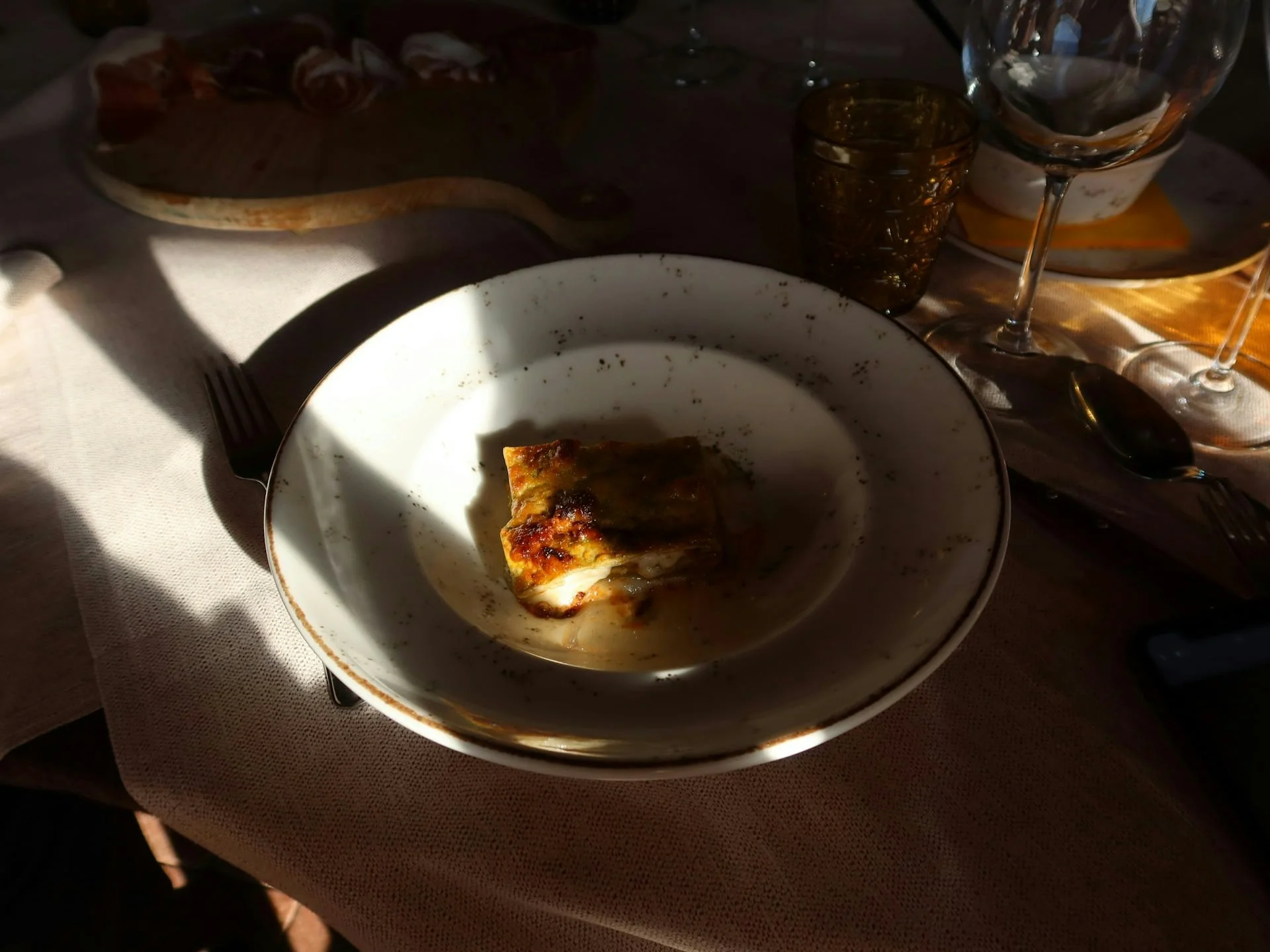
Let dinner come to you. Italians do not eat dinner at 6:00 p.m. They eat at 8:00 or 8:30, after the passeggiata has wound down. If you do the walk properly and let it lead you naturally to the table, you will arrive at dinner hungry, relaxed, and in exactly the right state of mind to appreciate a long, slow Italian meal.
The Passeggiata and Your IWB Trip
At Italy With Bella, we build itineraries that protect the rhythms of Italian life rather than bulldozing through them in a race to see more. That means we are not scheduling you into a sunset wine tasting at 6:30 when you should be on the corso with the locals. It means we recommend bases that have strong passeggiata cultures. It means our local guides know which streets come alive in the evening and can point you toward them.
We also think the passeggiata is one of the best litmus tests for a well-designed itinerary. If your trip has been designed so beautifully that you have nowhere urgent to be at 6:00 p.m. and can simply walk, you are doing it right.
One of the things our clients say most often, when they come home and we debrief their trip, is that the moments they remember most vividly are not always the monuments or the famous sites. They are the unexpected small moments. The evening they walked through a Sicilian town and stumbled into the middle of a local street festival. The time in Cortona when they got talking to an older gentleman sitting outside a bar who turned out to have fascinating stories about the town. The gelato they ate while wandering the lanes of a Venetian sestiere with no map and no plan.
Those moments do not happen by accident. They happen when you slow down enough to let Italy find you.
The passeggiata is how Italians have been letting life find them for centuries. All you have to do is step outside and walk.
A Few Passeggiata Tips Before You Go
Timing matters. The passeggiata typically runs from about 5:00 to 8:00 p.m., with the peak energy around 6:00 to 7:00 p.m. Arrive in the window, not after.
Weekends are more vibrant. Saturday evening passeggiata, especially in smaller towns, is a particularly communal affair. If you are passing through a village on a Saturday, make time for it.
It is not a tourist activity. The passeggiata is not something laid on for visitors. You are participating in real daily life. Be respectful of that. Move at the local rhythm. Do not treat it as a photo opportunity.
Children are welcome. Italian culture is deeply child-centered, and the passeggiata includes everyone. You will see children of all ages out in the evening, long past when American kids might typically be in bed. This is normal, beautiful, and part of the fabric of the experience.
The passeggiata leads to dinner. Follow it and you will naturally end up in front of a restaurant at exactly the right time, hungry and in good spirits.
Final Thoughts: Walk Slowly. Italy Will Meet You There.
The great irony of travel is that we often rush through the places we most want to understand. We pack in the sights, the tours, the famous experiences, and return home with full memory cards and a nagging sense that something essential slipped past us.
The passeggiata is the antidote to that feeling. It is a daily reminder, handed down through generations of Italians, that the point of being alive is not to accomplish more but to be more present to the life you already have.
When you do the passeggiata in Italy, you are not a tourist observing a culture from the outside. You are stepping into a river that has been flowing for centuries. You are part of it. And for that hour before dinner, when the light is golden and the streets are full and you have nowhere to be, you will understand Italy in a way that no museum, no monument, and no guidebook can give you.
Step outside. Start walking. Let Italy find you.
Ready to plan an Italy trip that honors the rhythms of Italian life? The Italy With Bella team would love to help you design a journey that goes deeper than the highlights. Schedule your complimentary consultation and let's start planning.