The Best Places to Visit in Sardinia: Granite Villages, Emerald Water, and the Island Italy Keeps for Itself
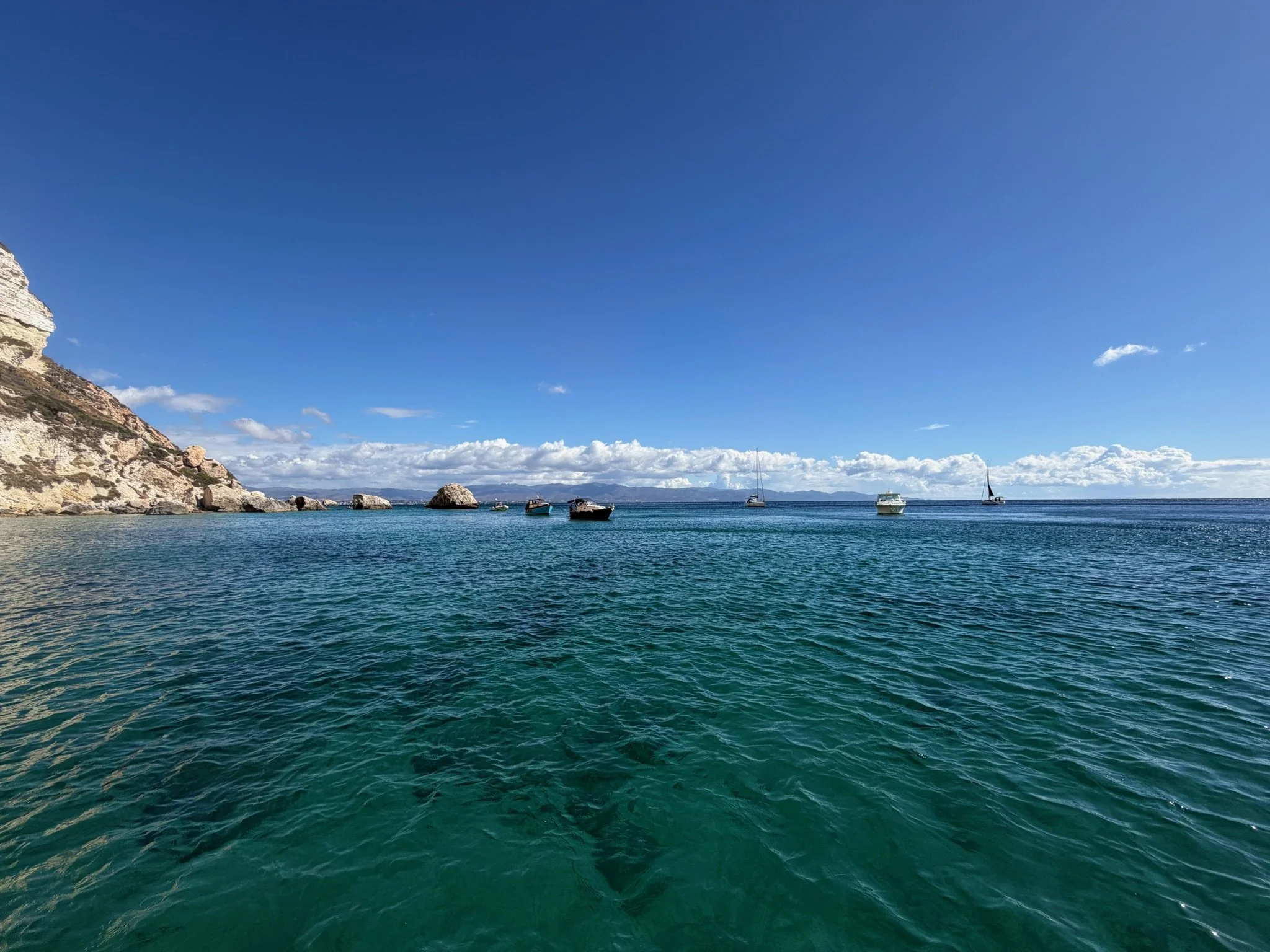
Sardinia does not announce itself the way Rome or the Amalfi Coast does. It waits. You land in Olbia or Cagliari, drive out past cork oaks and wild rosemary, and somewhere around the first bend where the sea appears, impossibly clear and shifting from turquoise to emerald, you understand why Italians have quietly kept this island to themselves for generations.
This is the second largest island in the Mediterranean, and it does not feel like the rest of Italy. Sardinia has its own language, its own ancient stone towers called nuraghi that predate Rome, its own cheeses, its own wines, and its own pace. It has beaches that look like they were lifted from the Caribbean and granite villages where artists have set up studios in old shepherds' houses. It rewards the traveler who slows down.
Below are the places we love most, from the glamour of the Costa Smeralda to a riverside town on the west coast that most visitors drive right past. Use it to dream, then use it to plan.
Before You Go: How Sardinia Works
Sardinia is bigger than most travelers expect. Driving from the Costa Smeralda in the northeast to Cagliari in the south takes about four hours, and many of the best beaches and villages are not reachable by train. A car or a private driver is essential.
The good news is that the island divides naturally into a few regions, which makes planning easy. We typically build Sardinia trips around two or three bases: the northeast (Costa Smeralda, San Pantaleo, La Maddalena), the northwest (Alghero, Bosa, Stintino), and the south (Cagliari). Sardinia can be done well in a week, though ten days lets you truly exhale.
IWB Tip: Fly into Olbia for the northeast and out of Cagliari or Alghero for the rest (or the reverse).
Costa Smeralda: Where the Water Earned Its Name
What to Expect
The Costa Smeralda, or Emerald Coast, is a stretch of granite coves and white-sand beaches in the northeast of the island. Its story is a modern one. In 1962, the Aga Khan and a small group of investors formed the Costa Smeralda Consortium to develop this wild, nearly empty coastline with strict rules about architecture and building. The result is a coast that feels polished yet strangely natural, with villas and hotels tucked low into the hillsides in soft earth tones.
Porto Cervo is the heart of it all, a harbor village inaugurated in 1964 that fills with superyachts every summer. Expect designer boutiques, elegant restaurants, and a sophisticated crowd in July and August. But do not let the glamour fool you. The real stars here are the beaches.
Best Things to Do
Swim at Spiaggia del Principe. A small, sheltered crescent of white sand and astonishingly clear water, said to have been the Aga Khan's personal favorite. Arrive early; parking is limited and the walk in is part of the charm.
Beach-hop at Capriccioli. A cluster of small coves framed by granite boulders and Mediterranean scrub, with shallow water ideal for snorkeling.
Spread out at Liscia Ruja or the Pevero beaches. Liscia Ruja is the largest beach on the coast and the easiest for families; Grande Pevero and Piccolo Pevero sit just outside Porto Cervo.
Spend an evening in Porto Cervo. Watch the yachts come in, browse the Piazzetta, and visit the Stella Maris church on the hill above the harbor.
Charter a private boat for the day. The coastline is best understood from the water. A private skipper can take you to coves that are impossible to reach by car.
San Pantaleo: The Artists' Village
What to Expect
Nestled among dramatic granite mountains in the Gallura region, just 15 kilometers or so inland from Porto Cervo, San Pantaleo is one of the most charming villages on the island. Known as the Artists' Village, it was once a quiet shepherds' settlement. Over the decades, painters, potters, and sculptors from across Europe discovered it, and today it carries a bohemian atmosphere with artisan workshops, galleries, and a picturesque piazza surrounded by cafés and boutiques.
Despite sitting minutes from the glamour of the Costa Smeralda, San Pantaleo retains an authentic Sardinian character. Pink granite boulders rise behind the stone houses, jasmine climbs the walls, and the little church presides over everything. It is the place the Costa Smeralda crowd comes to feel rooted.
Best Things to Do
Go on a Thursday for the market. Every Thursday morning in season (roughly May through October), the piazza fills with stalls selling ceramics, jewelry, linens, leather, local cheeses, and cured meats. It is lively, colorful, and one of the most beloved markets in northern Sardinia.
Explore the ateliers. Wander the lanes and step into the studios and design boutiques. Many pieces are one of a kind and made just steps from where they are sold.
Linger over coffee or a glass of Vermentino. Sit in the piazza with a cappuccino in the morning or a glass of Vermentino di Gallura in the evening and watch village life unfold.
Book dinner here at least once. The village has a handful of excellent restaurants that cook from Gallura's interior as much as its sea: wood-fired meats, local cheeses, and wild herbs.
IWB Tip: San Pantaleo makes a wonderful base for travelers who want Costa Smeralda beaches by day and a real village by night. It sits slightly higher than the coast, so summer evenings are often a touch cooler.
Cannigione: The Gateway to La Maddalena
What to Expect
Cannigione is a relaxed fishing village turned seaside town on the Gulf of Arzachena, just north of the Costa Smeralda. Where Porto Cervo is polished, Cannigione is easygoing. Its waterfront is lined with gelato shops, seafood restaurants, and a busy little marina where fishing boats share the dock with sailboats and day charters.
For many travelers, Cannigione is the best launching point for the La Maddalena Archipelago, a protected marine park of granite islands and some of the clearest water anywhere in the Mediterranean.
Best Things to Do
Sail the La Maddalena Archipelago. Full-day and private boat tours depart from Cannigione's marina, stopping to swim at coves on Caprera, Spargi, and Santa Maria, and passing the famous Spiaggia Rosa on Budelli, which can be admired only from the water.
Eat seafood on the waterfront. Stroll the harbor, then sit down to fresh fish, clams, and Sardinian pasta with a view of the gulf.
Swim at the quiet gulf beaches. The surrounding gulf has calm, shallow beaches that are easy and unhurried compared to the busier coves farther south.
Make it an easy day trip. Cannigione is an easy drive from San Pantaleo, making it a perfect half-day or full-day outing rather than a place to stay.
La Maddalena: The Clearest Water in Italy
If water clarity is what brings you to Sardinia, La Maddalena delivers. The archipelago's main island has a lovely small town with pastel buildings, a lively harbor, and a weekday market, and you can drive across a causeway to neighboring Caprera, where Giuseppe Garibaldi spent his final years. Most travelers experience the archipelago by boat, either from Cannigione or Palau, and we recommend a private skipper so you can choose your coves and your pace.
Alghero: Sardinia's Catalan Soul
What to Expect
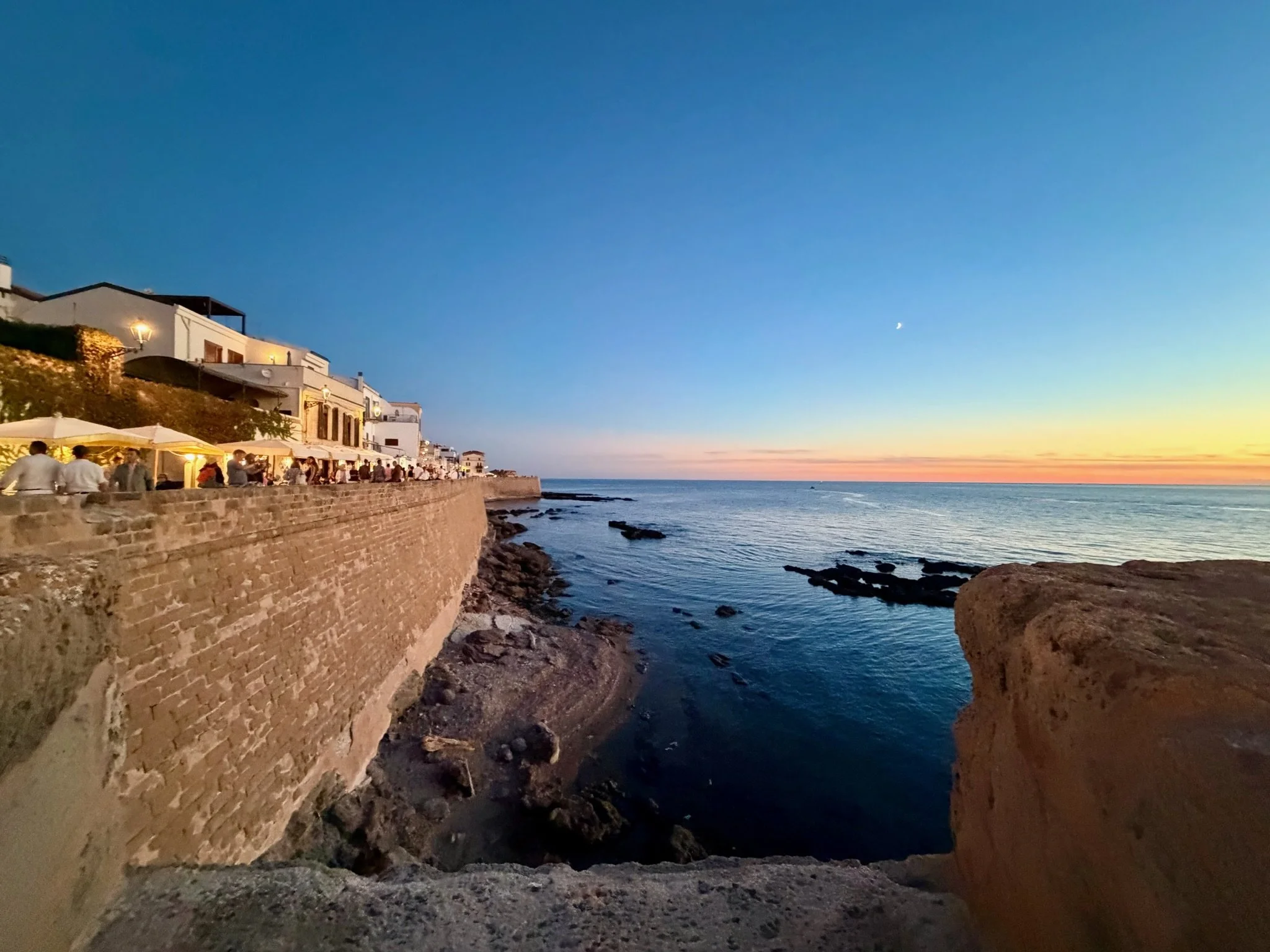
Cross to the northwest coast and the island changes accent. Alghero was ruled by the Crown of Aragon for centuries, and its Catalan heritage is still everywhere: in the street signs written in two languages, in the local dialect, and in dishes that feel as much Spanish as Italian. The old town sits inside honey-colored sea walls and bastions, with narrow cobbled lanes opening onto tiny piazzas and the bell tower of the cathedral rising above it all.
Alghero is lively without being frantic, romantic without being precious. It is also known for its red coral, found in the waters of what locals call the Coral Riviera, and you will see it crafted into jewelry in shop windows throughout the old town.
Best Things to Do
Walk the sea walls at golden hour. Stroll the bastions along the sea at sunset, when the sky turns pink over Capo Caccia and the whole town seems to come outside for its evening passeggiata.
Visit Neptune's Grotto. This vast sea cave at the foot of the Capo Caccia cliffs is one of Sardinia's great natural wonders. Arrive by a scenic boat ride of about 40 minutes from Alghero's harbor, or descend the 654 steps of the Escala del Cabirol carved into the cliff face. Note that boats do not run in rough seas and the cave entry ticket is separate from the boat fare.
Spend a day in a nearby village. Leave the coast behind and travel with a local guide into the countryside to a tiny mountain village of just a few hundred people. Here, you are welcomed into the home of a local woman who treats you like family from the moment you arrive. Language is no barrier; kindness needs no translation. Roll up your sleeves as she shows you how to make the traditional pastas of her village and shares the story of its bread, then sit down together to a simple, soulful home-cooked meal. Over lunch, you will hear what life is like in a place where families grow much of their own food, neighbors trade what they have, and everyone looks after one another. It is a slower, gentler side of Sardinia most visitors never see, and for many of our travelers, it becomes the heart of the entire trip.
Eat the local specialties. Look for Catalan-influenced lobster dishes, fresh seafood, and local wines from the vineyards just outside town.
Shop for coral jewelry. Learn about the craft before you buy, and choose a reputable workshop for a meaningful keepsake.
Explore the coast nearby. Spend an afternoon at the beaches of Porto Conte or the wild headland of Capo Caccia.
Bosa: A Few Perfect Hours on the River
What to Expect
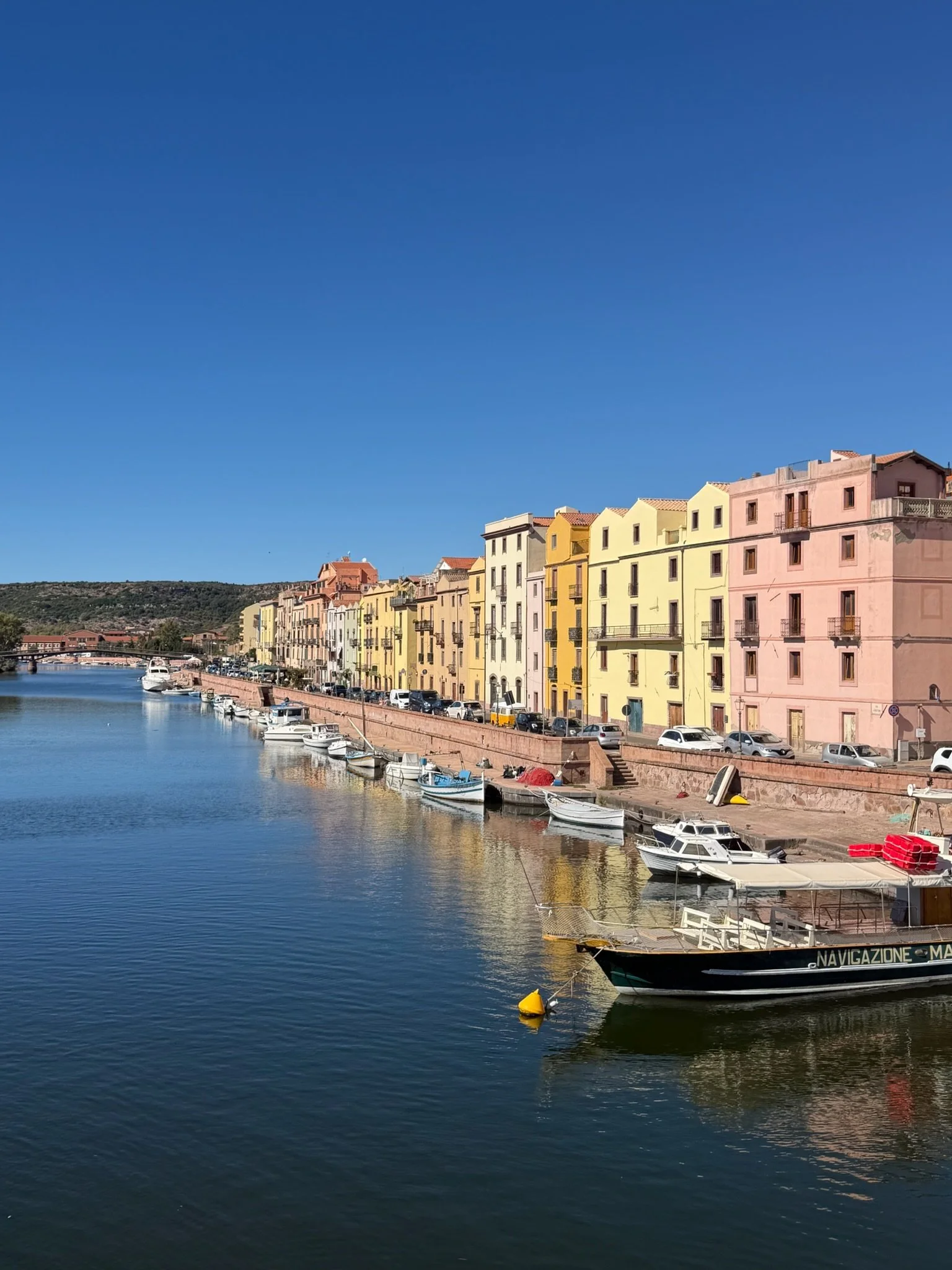
About an hour south of Alghero along one of the most beautiful coastal drives on the island, Bosa appears like a painting. Pastel houses in pink, yellow, blue, and green climb the hillside above the Temo, the only navigable river in Sardinia, and the medieval Malaspina Castle crowns the top of the town. It is small, unhurried, and utterly photogenic.
Bosa does not need a full day. A few hours is just right: enough time to wander, climb, eat, and sip before continuing your journey or heading back to Alghero.
Best Things to Do
Stroll the Lungotemo. Cross the old stone bridge and walk the riverfront, where fishing boats bob below the colorful facades and the old tanneries line the opposite bank.
Climb to the castle. Wind up through the steep lanes of Sa Costa, the medieval quarter, to Malaspina Castle, built in the 12th century. Inside, a small chapel holds fragile 14th century frescoes, and the ramparts offer the best view in town.
Taste Malvasia di Bosa. Bosa is famous for Malvasia di Bosa, an amber, aromatic wine. Do not leave without a tasting at a local cantina.
Take to the river. A short boat trip on the Temo shows you the town from the water, a perspective most visitors never see.
IWB Tip: Drive the coastal road between Alghero and Bosa in the late morning, lunch in Bosa, then return in time for sunset on Alghero's sea walls. It is one of our favorite days on the island.
Stintino and La Pelosa: The Postcard Beach
At the far northwest tip of the island, La Pelosa is the beach you have probably already seen on social media: powder-white sand, shallow turquoise water, and an old watchtower standing on a rocky islet just offshore. It is genuinely spectacular, and it is protected accordingly. In the summer season, access is capped at 1,500 visitors per day and must be reserved in advance through the official site, spiaggialapelosa.it, for a small fee. Towels must sit on a mat rather than directly on the sand, and you rinse your feet before leaving so the sand stays where it belongs.
Our honest take: La Pelosa is worth it if you book early and arrive early. The nearby fishing town of Stintino is charming for a seafood lunch afterward.
IWB Tip: Book only through spiaggialapelosa.it. Copycat sites appear every season charging many times the official price.
Cagliari: The Capital That Surprises Everyone
What to Expect
Many travelers treat Cagliari as an airport. That is a mistake. Sardinia's capital is a sun-washed, layered city built on hills above a wide bay, with a medieval citadel, a lively food scene, a long city beach, and wild pink flamingos living in the wetlands just beyond the center. It feels like a real Italian city, not a resort, and it is all the more enjoyable for it.
Best Things to Do
Explore the Castello district. The walled medieval quarter sits high above the port, full of narrow lanes, Pisan-era towers, artisan shops, and the Cathedral of Santa Maria.
Watch the sunset from the Bastione di Saint Remy. This grand limestone terrace, built at the turn of the 20th century on the old city walls, links the lower city to Castello and offers one of the best sunset views in Sardinia. Public elevators help with the climb.
Spend an afternoon at Poetto Beach. Poetto, Cagliari's city beach, stretches for roughly eight kilometers. Walk it, swim it, or end the day with an aperitivo at one of its beach bars.
See the flamingos. In the Molentargius Saline park, between the city and the sea, flocks of pink flamingos feed in the salt pans. Early morning or late afternoon is best.
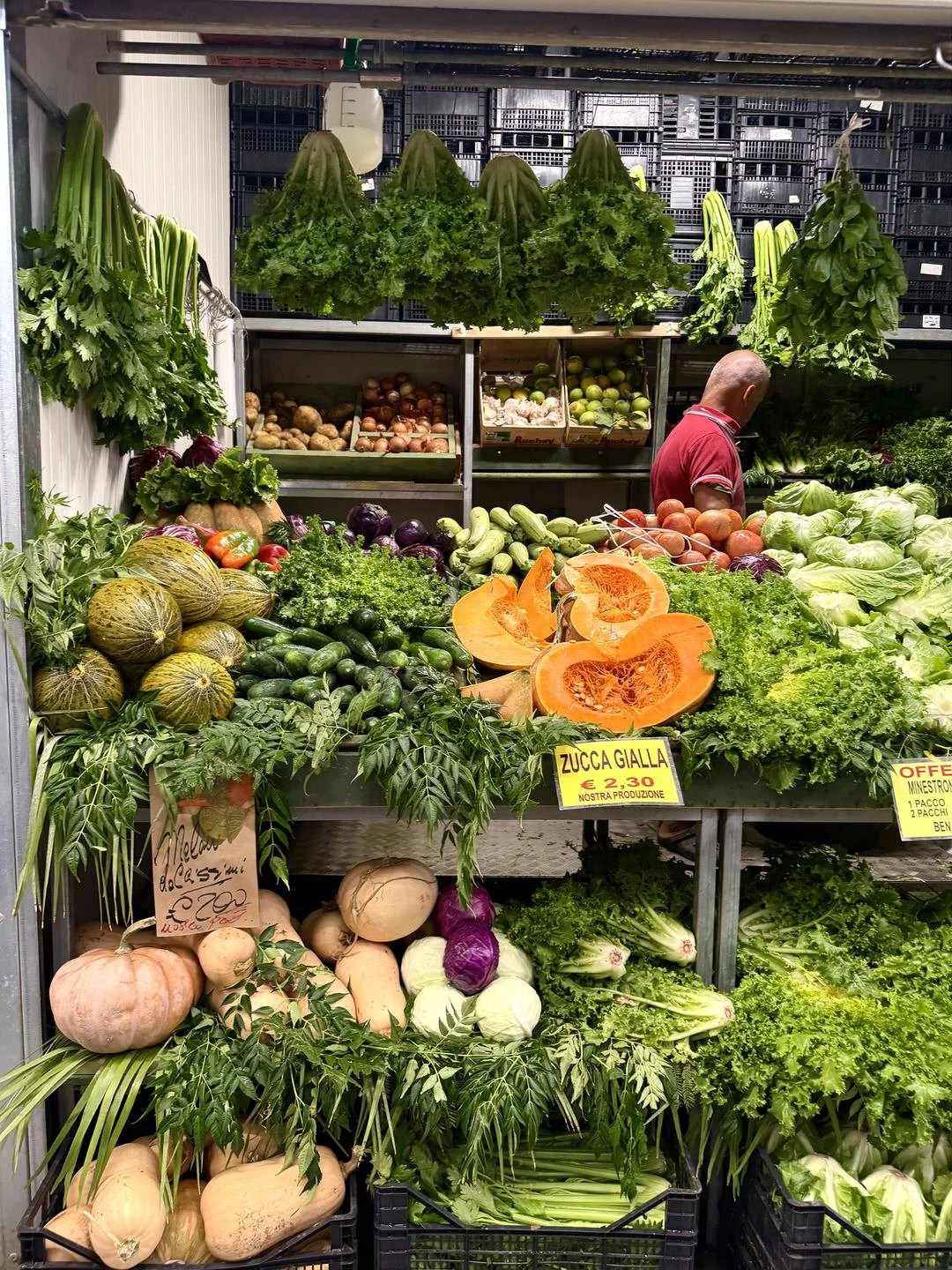
Shop the market like a local. Visit the Mercato di San Benedetto, one of the largest covered markets in Italy, for an unforgettable look at Sardinian cheeses, cured meats, and seafood.
Join a Pasta-Making and Market Chef Experience. Begin the morning at the bustling local fish market alongside a talented Cagliari chef, tasting your way through the flavors of the island and choosing the freshest ingredients of the day together. Then follow her back to her restaurant kitchen, where you will learn to make traditional pasta by hand as she transforms everything you selected into an unforgettable multi-course meal. It is a delicious, hands-on way to understand Sardinian cooking, and the kind of afternoon that stays with you long after the trip.
A Few More Places Worth Your Time
The Gulf of Orosei. On the east coast, dramatic limestone cliffs plunge into the sea, hiding coves like Cala Goloritzé, which now requires an advance reservation and a small fee. A boat from Cala Gonone is the most relaxed way to see them.
The nuraghi. Sardinia is dotted with thousands of Bronze Age stone towers. Su Nuraxi at Barumini, a UNESCO World Heritage Site, is the most impressive and an easy outing from Cagliari.
The interior. Sardinia is one of the world's Blue Zones, home to an unusual number of people who live past 100. The mountain villages of the interior offer a glimpse of the slow, rooted way of life behind that longevity.
Our Honest Take: How to Do Sardinia Right
The biggest mistake travelers make in Sardinia is trying to see the whole island from one hotel. Pick two or three bases, rent a car or hire a driver, and give each region the time it deserves. Book boats and beach reservations early in summer, especially in July and August. And if you can, come in June or September, when the water is still warm, the crowds have thinned, and the island exhales.
Above all, leave room for the unplanned: the village festival you stumble into, the cantina owner who pours you one more glass, the cove that is empty because it is a Tuesday. That is the Sardinia most visitors never find, and the one we love most.
Ready to Plan Your Sardinia Trip?
At Italy With Bella, we build fully custom, private itineraries across all 20 Italian regions, including both of Italy's great islands. We know which beaches to book early, which skipper to call, and which village is worth the drive. No generic packages. No group tours. Just Italy, done the right way.
Start with a free consultation at italywithbella.com/schedule.