
How to Get to Sardinia: Ferry vs. Flight (Which Should You Choose?)
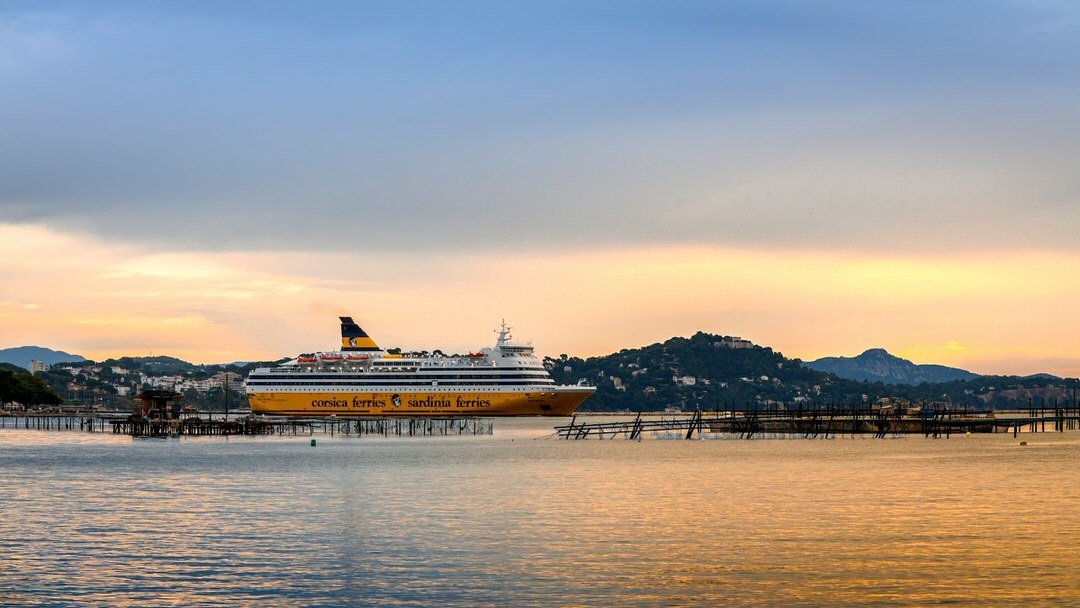
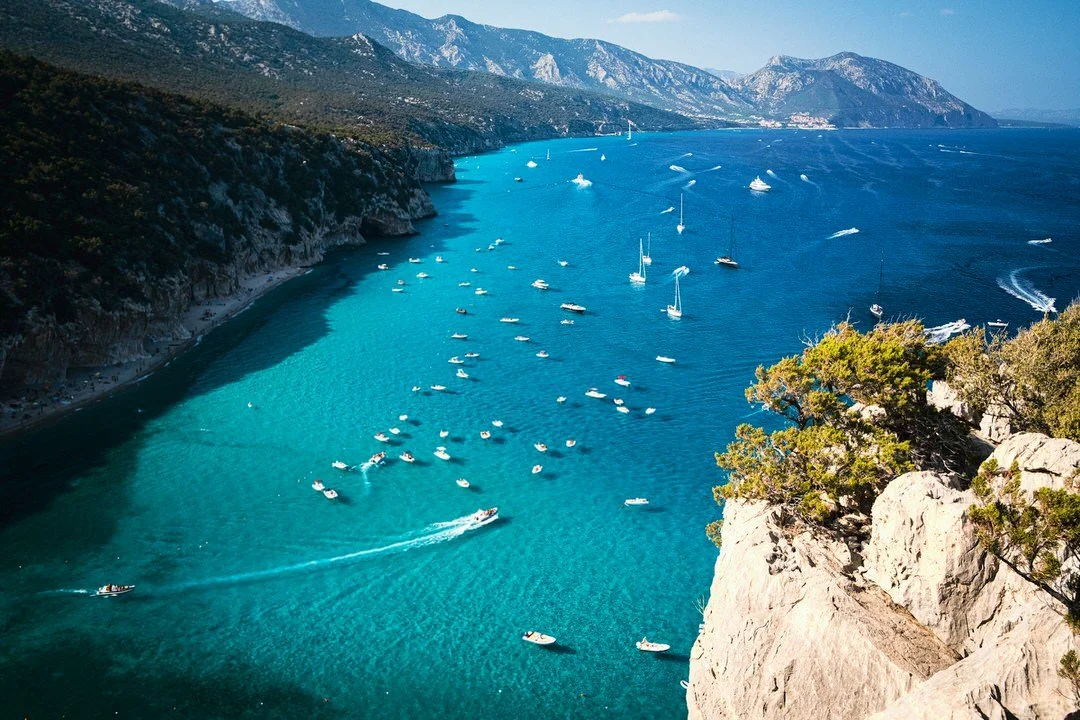
Sardinia has a way of getting under your skin. The water is a shade of turquoise that photographs never quite capture, the granite coastline looks as if it was sculpted by hand, and the island's culture feels older and more fiercely its own than almost anywhere else in Italy. It is the kind of place that makes you slow down whether you planned to or not.
But before you can fall for Sardinia, you have to get there. And that is the question we hear from clients again and again: what is the best way to get to Sardinia? Is it better to fly or take a ferry? The honest answer depends on where you are starting, how much time you have, and whether you want a car with you on the island. This guide walks through both options, route by route, so you can choose with confidence.
Ferry or Flight: The Quick Answer
If you only read one section, make it this one.
Flying from the United States? Fly. For the first time ever, there is a nonstop flight from New York to Sardinia, and a second one is on the way.
Already in Rome or Milan without a car? Flying is usually fastest. The hop to Sardinia is roughly an hour in the air.
Already in Italy with a car, a pet, or a family with plenty of luggage? Take the ferry, ideally an overnight crossing with a cabin.
Want the journey to feel like part of the trip? The ferry wins. There is something unforgettable about waking up to the Sardinian coast from the deck of a ship.
Flying to Sardinia: Airports, Routes, and Nonstop Flights
Sardinia has three main airports, and choosing the right one can save you hours of driving once you land.
Olbia (OLB): The northeast gateway to the Costa Smeralda, the Gallura region, and the La Maddalena archipelago. Olbia gets the most summer traffic and is the only Sardinian airport with nonstop flights from the United States.
Cagliari (CAG): The capital in the south. Cagliari has the best year-round connections and is the natural entry point for the southern beaches around Chia, Pula, and Villasimius.
Alghero (AHO): Also called Alghero Fertilia, in the northwest. It is the doorway to Alghero's Catalan character, Stintino, and the wild northwestern coast.
Nonstop Flights from the United States
This is the biggest change to Sardinia travel in years. On May 20, 2026, Delta launched the first nonstop flight in history between the United States and Sardinia, flying from New York JFK to Olbia four times a week on a Boeing 767. The flight takes just over eight hours, leaving New York in the evening and landing in Olbia around 9am the next morning. Reported peak summer fares have been roughly $900 to $1,100 round trip.
And more is coming. United has announced a new Newark to Olbia route beginning May 27, 2027, three times a week, pending government approval. Delta's route is also scheduled to return in 2027, which means travelers from the New York area will have a nonstop option to Sardinia nearly every day of the summer.
One important note: both routes are seasonal. They run from late spring into early fall. Outside that window, you will connect through a European hub.
Connecting Through Rome, Milan, or Another European Hub
If you are not starting in New York, or you are traveling outside the summer season, you will most likely connect. Rome Fiumicino and Milan are the easiest connection points, with frequent flights to all three Sardinian airports, and Cagliari in particular has strong service year-round. Many travelers also connect through other European hubs such as Frankfurt, Munich, Paris, or Amsterdam.
Budget airlines to Sardinia, including Ryanair, easyJet, and Volotea, fly to the island from mainland Italy and across Europe. Fares can be very low when booked early, but read the fine print. Checked bag fees and strict carry-on limits can quickly erase the savings, especially for travelers packing for a week or more.
IWB Tip: Never plan anything on your arrival day. Whether you land in Olbia at 9am after an overnight flight or step off a ferry at dawn, give yourself a slow first day: a long lunch, a swim, an early night. Sardinia will still be there tomorrow, and you will enjoy it far more.
Getting from the Airport
Olbia's airport sits just a few minutes from the city center, and all three airports have rental car desks. Most visitors pick up a car right at the airport and drive straight to their first base. If you would rather not drive, a private driver can meet you at arrivals, which is how we arrange it for many of our clients.
Taking the Ferry to Sardinia: Routes, Companies, and What to Expect
Ferries connect mainland Italy to Sardinia year-round, and the crossing is part of the island's story. For centuries, the sea was the only way here. The main Sardinia ferry companies are Moby, Tirrenia, Grimaldi Lines, GNV (Grandi Navi Veloci), and Corsica Sardinia Ferries, sailing from Civitavecchia, Livorno, Genoa, Piombino, and Naples to the Sardinian ports of Olbia, Golfo Aranci, Porto Torres, Cagliari, and Arbatax.
Here are the routes that matter most, and when each one makes sense.
Rome to Sardinia: Civitavecchia to Olbia
The Rome to Sardinia ferry leaves from Civitavecchia, Rome's port, and it is the most popular crossing for good reason. Tirrenia and Grimaldi Lines sail from Civitavecchia to Olbia every day of the year, with crossings of roughly 6.5 to 8 hours depending on the ship. You can choose a daytime sailing or an overnight crossing. This is the natural choice if you are ending a stay in Rome and want to continue to the Costa Smeralda.
Tuscany to Sardinia: Livorno to Olbia or Golfo Aranci
If Tuscany is part of your trip, Livorno is your port. Moby and Grimaldi Lines sail from Livorno to Olbia year-round, with more departures in summer and crossings of roughly 7 to 9 hours. Corsica Sardinia Ferries also runs Livorno to Golfo Aranci, a small port just north of Olbia. There is also a seasonal Piombino to Golfo Aranci route, handy if you are coming from the southern Tuscan coast.
Liguria to Sardinia: Genoa to Porto Torres or Olbia
The Genoa to Porto Torres ferry runs daily year-round with Tirrenia and GNV, and it is usually an overnight crossing of roughly 10 to 12 hours. Porto Torres is on the northwest coast, which makes it the smart choice if you are heading to Alghero or Stintino. Seasonal sailings from Genoa to Olbia are also available through the summer months.
Southern Italy to Sardinia: Naples to Cagliari
Grimaldi Lines sails from Naples to Cagliari a few times a week year-round. It is a long overnight crossing of roughly 13 to 15 hours, but it delivers you directly to the south of the island and saves a long drive down from the north.
Corsica to Sardinia: Bonifacio to Santa Teresa Gallura
For travelers combining France and Italy, the Corsica to Sardinia ferry is a delight. The crossing from Bonifacio to Santa Teresa Gallura takes about 50 minutes, and the views of the cliffs on both sides are worth the trip on their own.
Overnight Ferries and Cabins
On an overnight ferry to Sardinia, book a cabin. Think of it as a hotel night that moves. You board in the evening, have dinner on board, sleep in a private cabin with its own bathroom, and wake up to the coast of Sardinia. Cabin supplements on overnight crossings typically run about €30 to €80 for an inside cabin and €45 to €110 for an outside cabin with a window, with suites costing more. In July and August, cabins sell out, so book early.
Taking a Car on the Sardinia Ferry
Bringing your own car is the ferry's biggest advantage. All the main routes carry cars, motorbikes, and campervans. Vehicle fares can start around €40 on promotional sailings but can climb past €300 each way on the busiest August dates. With a vehicle, plan to arrive at the port up to 90 minutes before departure.
If you are renting a car on the mainland, check your rental agreement before you book. Many rental companies restrict or charge extra for taking their cars on ferries, and it is often simpler and cheaper to return your car on the mainland and pick up a new one in Sardinia.
IWB Tip: Ferry prices to Sardinia follow the calendar closely. The best fares usually appear with early booking offers in the winter months, and August is by far the most expensive time to cross, especially with a car. If your dates are flexible, June and September offer warm water, calmer ports, and noticeably lower fares.
Sardinia Travel Cost: Ferry Tickets vs. Airfare
Here is how the options compare at a glance. Prices are approximate 2026 figures and change with season, demand, and how far ahead you book, so treat them as a starting point.
| Option | Typical Cost | Travel Time | Best For |
|---|---|---|---|
| Ferry, passenger seat | From about €25 to €40 one way | About 6.5 to 15 hours | Budget travelers already in Italy |
| Ferry, overnight cabin | Add about €30 to €110 per cabin | Overnight | Couples and families who want to arrive rested |
| Ferry with a car | From about €40 to €300+ one way | About 6.5 to 15 hours | Road trips, pets, longer stays |
| Flight from Rome or Milan | Varies; lowest when booked early, plus bag fees | About 1 hour in the air | Most travelers already in Italy |
| Nonstop from New York | About $900 to $1,100 round trip in peak summer | Just over 8 hours | US travelers, late spring to early fall |
| Car rental in Sardinia | About €300 to €500 per week in high season | Not applicable | Nearly every visitor |
The takeaway: the ferry ticket itself is often the cheapest line on the page, but once you add a cabin, the time to reach the port, and a vehicle fare, flying frequently comes out ahead for couples. The ferry makes the most financial sense for families or longer stays where bringing your own car replaces a week or more of rental fees.
Sardinia Ferry and Flight FAQs
How long is the ferry ride to Sardinia?
It depends on the route. The shortest mainland crossings, Civitavecchia to Olbia and Livorno to Olbia, take roughly 6.5 to 9 hours. Genoa to Porto Torres takes roughly 10 to 12 hours, and Naples to Cagliari roughly 13 to 15 hours. From Corsica, the Bonifacio to Santa Teresa Gallura crossing takes about 50 minutes.
Is it cheaper to fly or take the ferry to Sardinia?
For a single traveler or couple without a car, flying is often similar in price and far faster, especially with early booking. The ferry becomes the better value when you are bringing your own car, traveling as a family, or planning a longer stay where a week of car rental would add up.
Do you need a car in Sardinia?
In most cases, yes. Sardinia is large, public transportation between beaches and inland villages is limited, and many of the island's best places, from hidden coves to family-run agriturismi, are only reachable by road. If you would rather not drive, a private driver is an excellent alternative, and it is something we arrange often.
Can you take a campervan or RV on the ferry to Sardinia?
Yes. Campervans and motorhomes are accepted on the main routes. Fares are higher than for a standard car and space is limited in summer, so book as early as possible.
Can you bring a dog on the ferry to Sardinia?
Most ferry companies accept pets, with options that typically include onboard kennels, pet-friendly cabins, and leashed time on the outer decks. Grimaldi Lines, for example, offers a pet-in-cabin service for €10 per cabin per journey. Policies vary by company and even by ship, so confirm the rules for your specific sailing when you book, and plan for a leash and muzzle in shared areas.
Our Honest Take: How We Get Clients to Sardinia
For most of our clients traveling from the United States, flying is the answer. If the New York nonstop works for your dates, it is a genuine game changer: you land in Olbia in the morning, meet your driver or pick up your car, and are on the Costa Smeralda or the way to La Maddalena before lunch.
But if Sardinia is one chapter in a longer Italy story, the ferry becomes something special. Spend your days in Rome or Tuscany, board an overnight ship in the evening, and wake up to the island. It is slow travel in its truest form, and it turns a transfer into a memory.
Either way, give Sardinia the time it deserves. A week lets you settle into two very different sides of the island, perhaps the sparkling northeast coast and the Catalan charm of Alghero, without spending your holiday in the car. Sardinia is not a place to check off. It is a place to sink into.
That is the Italy most visitors never see. That is what we are here to help you experience.
Ready to Plan Your Sardinia Trip?
At Italy With Bella, we build fully custom, private itineraries across all 20 Italian regions, islands included. We know which ferry to book, which airport to fly into, and how to connect Sardinia seamlessly with the rest of your trip, so the journey feels as good as the destination.
The best Italy trips do not happen by accident.
They are thoughtfully paced, personally matched, and supported by people who know the country well.
Tell us what you are dreaming of, and we’ll help you understand what is possible.
Italy with Bella
©2026
213 Stillcreek Drive, Franklin, TN 37064
(615)900-0841