Best Places for a Day Trip Near Catania
Catania earns its keep as a gateway. It has the airport, the flight connections, and a fish market worth a morning of anyone's time. But the real reason a stay in eastern Sicily works so well is what sits within an hour or two of the city in every direction: an active volcano, a Greek theater carved into a cliff above the sea, a Baroque island wrapped in water, and a canyon cut by an ancient lava flow.
Here is our honest, on-the-ground breakdown of the best day trips near Catania, and how we actually sequence them for clients.
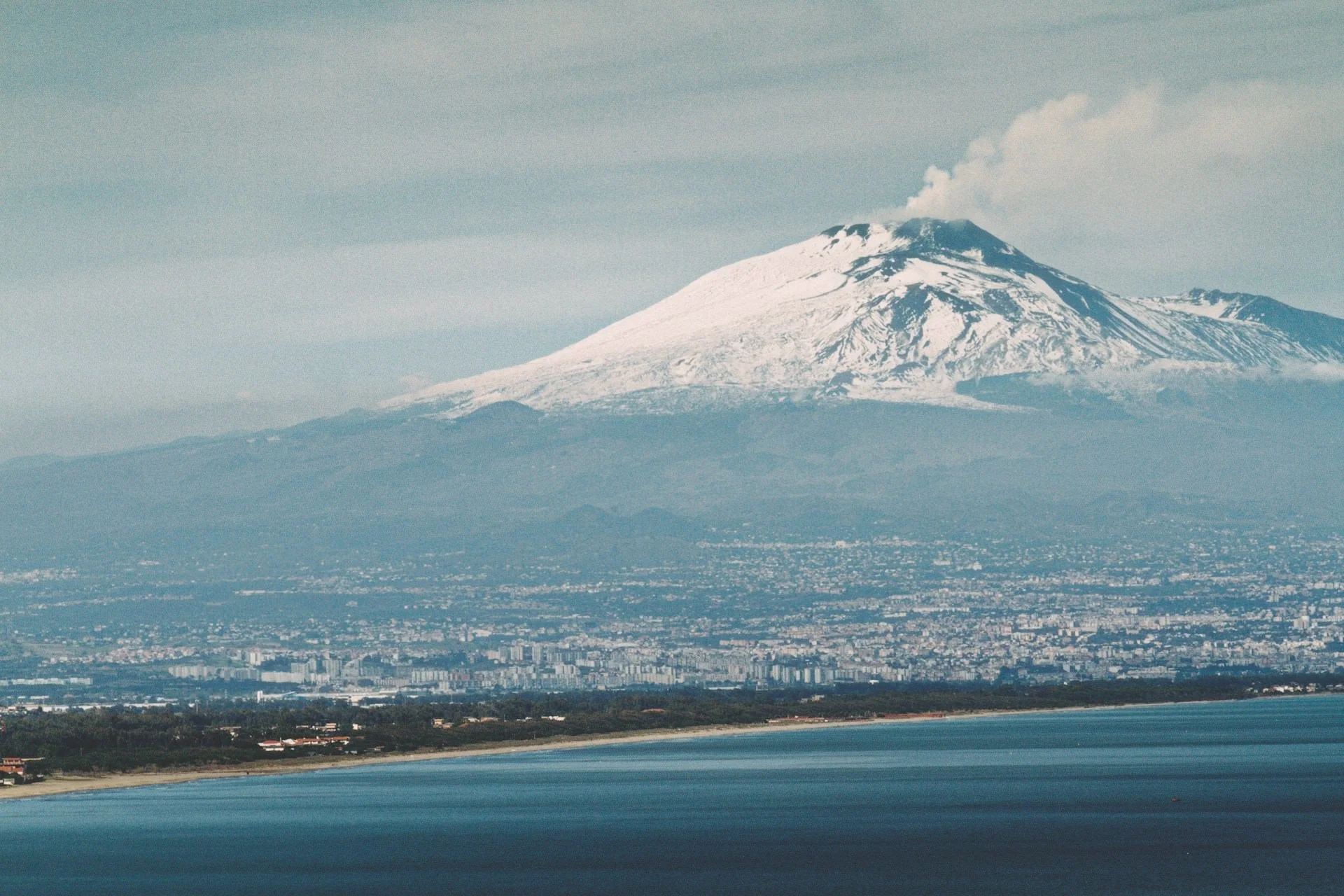
Mount Etna: Europe's Largest Active Volcano
No list of Catania day trips starts anywhere else. Mount Etna rises directly behind the city, and on a clear day you can see it from Via Etnea itself. Most visits begin at Rifugio Sapienza, on the volcano's south side, about 45 minutes to an hour by car from central Catania. From there, the Funivia dell'Etna cable car climbs to roughly 2,500 meters, and a 4x4 bus continues higher still toward the summit craters.
Sicilian law requires a certified volcanological guide above a certain altitude, and for good reason: this is an active volcano, and the summit zone changes with it. Before the cable car, the Silvestri Craters near the parking area are open to explore independently and make a striking short walk on their own.
IWB Tip: We build a private guide into every Etna excursion, not just for the summit permit, but because a good volcanological guide turns a walk on lava rock into a real education on how the mountain has shaped this entire corner of Sicily.
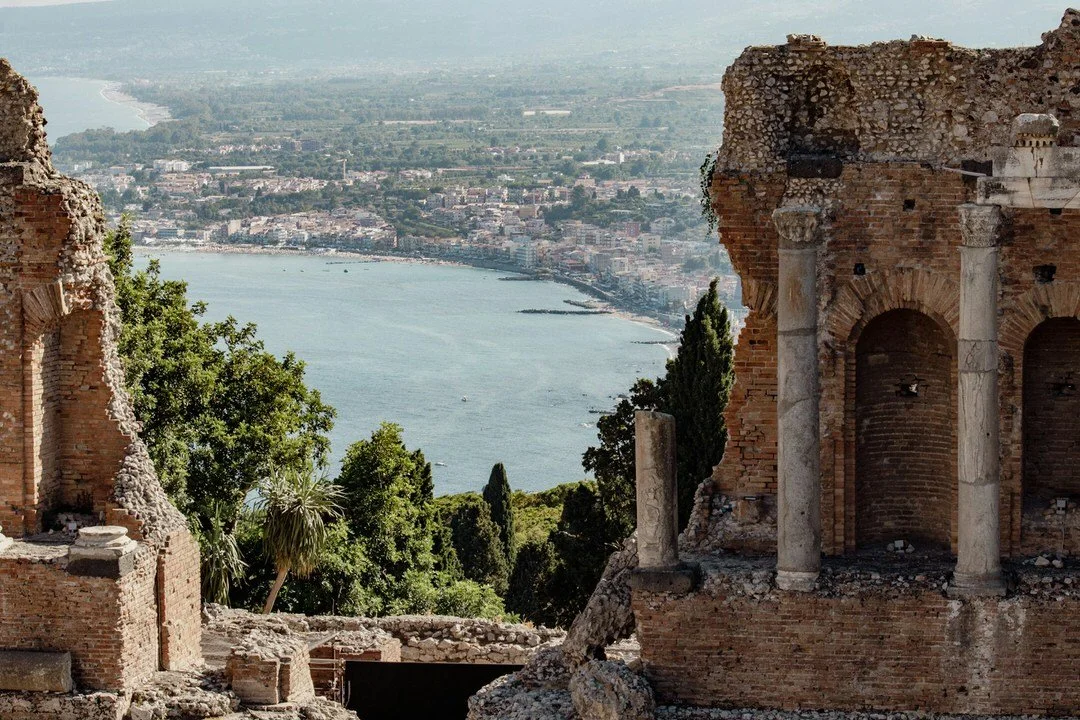
Taormina: The Balcony of Sicily
Perched on a cliff above the Ionian Sea, about an hour north of Catania, Taormina is the polished counterpoint to Catania's rougher edges. Its ancient Greek Theatre, later rebuilt by the Romans, remains one of the most photographed views in Sicily, framing Mount Etna in the distance behind the stage. Corso Umberto, the pedestrianized main street, runs the length of the old town and connects Piazza IX Aprile, with its black-and-white checkerboard paving and sweeping coastal views, to the medieval Palazzo Corvaja.
Below town, Isola Bella is a small nature reserve island reachable by cable car or a walk down through the switchbacks, with clear water that makes it worth packing a swimsuit even on a day trip.
IWB Tip: Taormina gets busy, especially midday in summer. We send clients up early, before the tour buses arrive from the cruise port, so the Greek Theatre and Corso Umberto still feel like they belong to them.
Alcantara Gorges: A Canyon Carved by Lava
The Gole dell'Alcantara sit inland, roughly 45 minutes from Catania and easily paired with either Etna or Taormina for a fuller day. Ancient lava flows from Etna met the Alcantara River here and cooled into dramatic basalt columns, since carved by the water into narrow canyon walls that in places rise more than 25 meters overhead.
Elevated walkways let visitors take in the gorge from above, while waders and boots (available to rent on-site) let the more adventurous climb down into the riverbed itself. In summer, this is one of the few genuinely cool spots in the region, and a welcome contrast to a hot morning spent on volcanic rock.
Taormina: The Balcony of Sicily
Perched on a cliff above the Ionian Sea, about an hour north of Catania, Taormina is the polished counterpoint to Catania's rougher edges. Its ancient Greek Theatre, later rebuilt by the Romans, remains one of the most photographed views in Sicily, framing Mount Etna in the distance behind the stage. Corso Umberto, the pedestrianized main street, runs the length of the old town and connects Piazza IX Aprile, with its black-and-white checkerboard paving and sweeping coastal views, to the medieval Palazzo Corvaja.
Below town, Isola Bella is a small nature reserve island reachable by cable car or a walk down through the switchbacks, with clear water that makes it worth packing a swimsuit even on a day trip.
IWB Tip: Taormina gets busy, especially midday in summer. We send clients up early, before the tour buses arrive from the cruise port, so the Greek Theatre and Corso Umberto still feel like they belong to them.
Alcantara Gorges: A Canyon Carved by Lava
The Gole dell'Alcantara sit inland, roughly 45 minutes from Catania and easily paired with either Etna or Taormina for a fuller day. Ancient lava flows from Etna met the Alcantara River here and cooled into dramatic basalt columns, since carved by the water into narrow canyon walls that in places rise more than 25 meters overhead.
Elevated walkways let visitors take in the gorge from above, while waders and boots (available to rent on-site) let the more adventurous climb down into the riverbed itself. In summer, this is one of the few genuinely cool spots in the region, and a welcome contrast to a hot morning spent on volcanic rock.
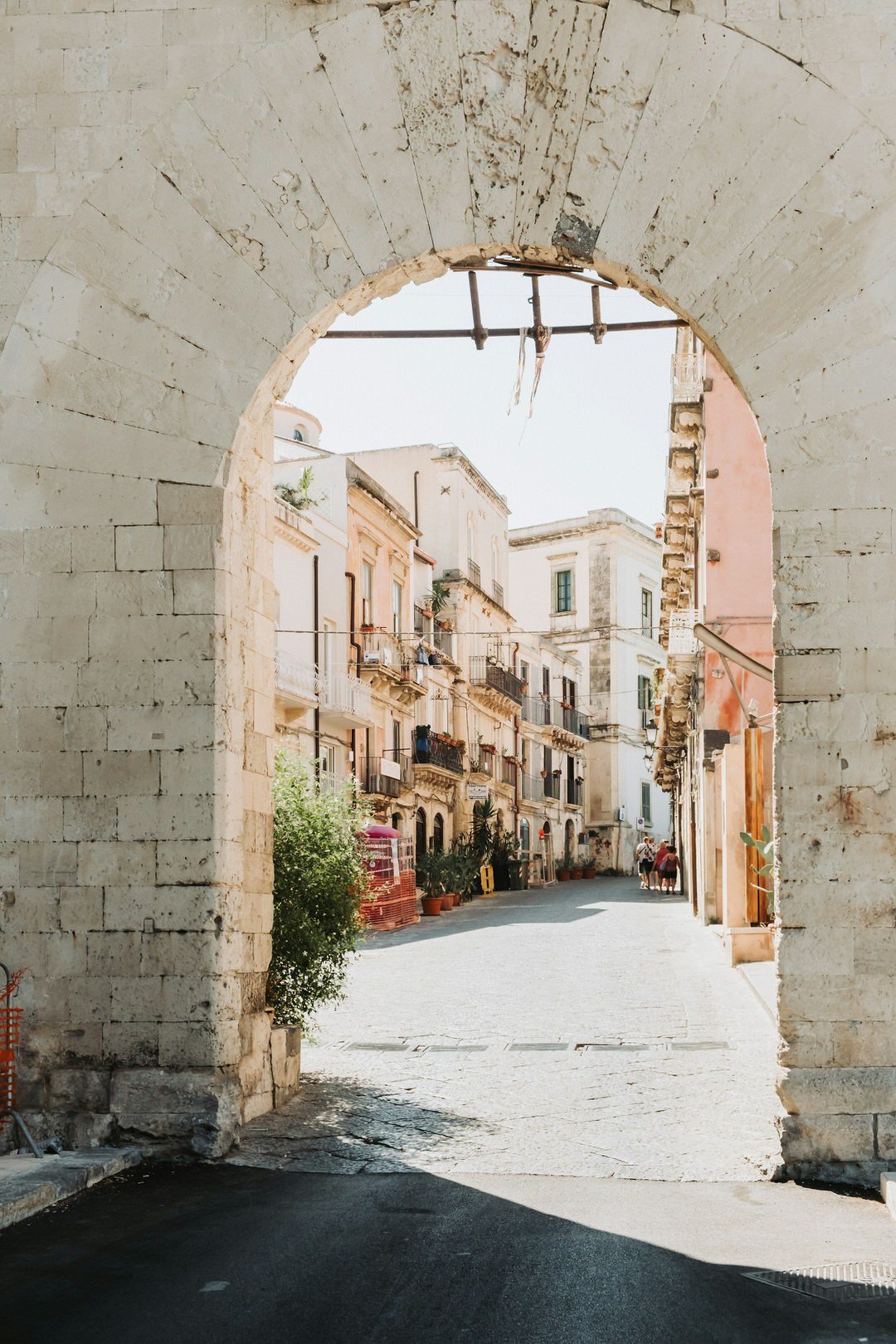
Syracuse and Ortigia: Greek Ruins and a Baroque Island
South of Catania, about an hour by car or a comfortable regional train ride, Syracuse was once one of the most powerful cities in the ancient Greek world, and it still has the ruins to prove it. The Neapolis Archaeological Park holds a 5th century BC Greek Theatre, a Roman amphitheater, and the Ear of Dionysius, a striking limestone quarry cave named for its uncanny acoustics.
Just across a short bridge sits Ortigia, the tiny island that forms Syracuse's historic core. Its Duomo was built directly into the columns of an ancient Greek temple to Athena, a detail visible in the cathedral's very walls. Nearby, the Fountain of Arethusa, a freshwater spring ringed with papyrus just steps from the sea, ties the city's mythology to its everyday street life. Ortigia's tangle of Baroque palazzi and seaside promenades makes it one of the most rewarding places in Sicily for an unhurried wander.
IWB Tip: Syracuse deserves a full day on its own. If clients want Noto as well, we build it as a separate excursion rather than tacking it onto the same afternoon. Both places are worth seeing properly, not rushed.
Noto: The Capital of Sicilian Baroque
About 90 minutes south of Catania, Noto was rebuilt almost entirely after the catastrophic 1693 earthquake, and it was rebuilt beautifully. Golden limestone facades, elaborately carved balconies, and a harmonious Baroque streetscape have earned it recognition as one of the finest examples of the style anywhere in Italy. The Noto Cathedral and the curved facade of Palazzo Ducezio anchor the main corso, and the whole town glows a particular shade of gold in the late afternoon light.
Aci Trezza and the Cyclops' Rocks
For something closer and more relaxed, the twin fishing villages of Aci Castello and Aci Trezza sit just outside Catania, a short bus ride or drive along the coast. According to legend, the jagged sea stacks offshore, the Faraglioni dei Ciclopi, are boulders hurled by the blinded Cyclops Polyphemus at Ulysses as he fled. Aci Castello is topped by a dark lava-stone castle overlooking the water, while Aci Trezza's small harbor and seafood restaurants make it a natural lunch stop rather than a full day's itinerary.
How We Actually Sequence These Trips
Not every one of these belongs on the same visit, and stacking too many into a single day tends to shortchange all of them. Here is the pairing logic we use most often.
Etna and Taormina work well combined for clients who want one big day covering both the volcano and the coast, especially with a private driver.
Etna and the Alcantara Gorges pair naturally, since both sit on the same side of the region and both involve the same underlying geology.
Syracuse and Ortigia deserve a full day on their own. Noto is better as a separate half or full day, ideally combined with the smaller Baroque towns of the Val di Noto rather than squeezed after Syracuse.
Aci Trezza fits naturally into an arrival or departure day from Catania, or as a lunch stop between the city and Taormina.
IWB Tip: We treat Catania itself as the base for these excursions only when a client's stay is short. For longer trips, we typically move clients to Taormina after their first day or two, since it puts several of these day trips even closer and offers a more comfortable place to spend the evenings.
Plan the Eastern Sicily Leg of Your Trip
Eastern Sicily rewards travelers who see it as a collection of very different experiences within reach of one another, rather than a single destination to check off. A volcano in the morning, a Greek theater by the sea in the afternoon, a Baroque island at golden hour. That is the version of this region we build for our clients.
Ready to Plan Your Italy Trip?
At Italy With Bella, we build fully custom, private itineraries across all 20 Italian regions, sequenced by people who have made these drives themselves. We know which day trips pair well, which ones need a full day of their own, and where to base your stay so the logistics disappear and the trip itself takes over.