What Makes Sicily Different From the Rest of Italy?
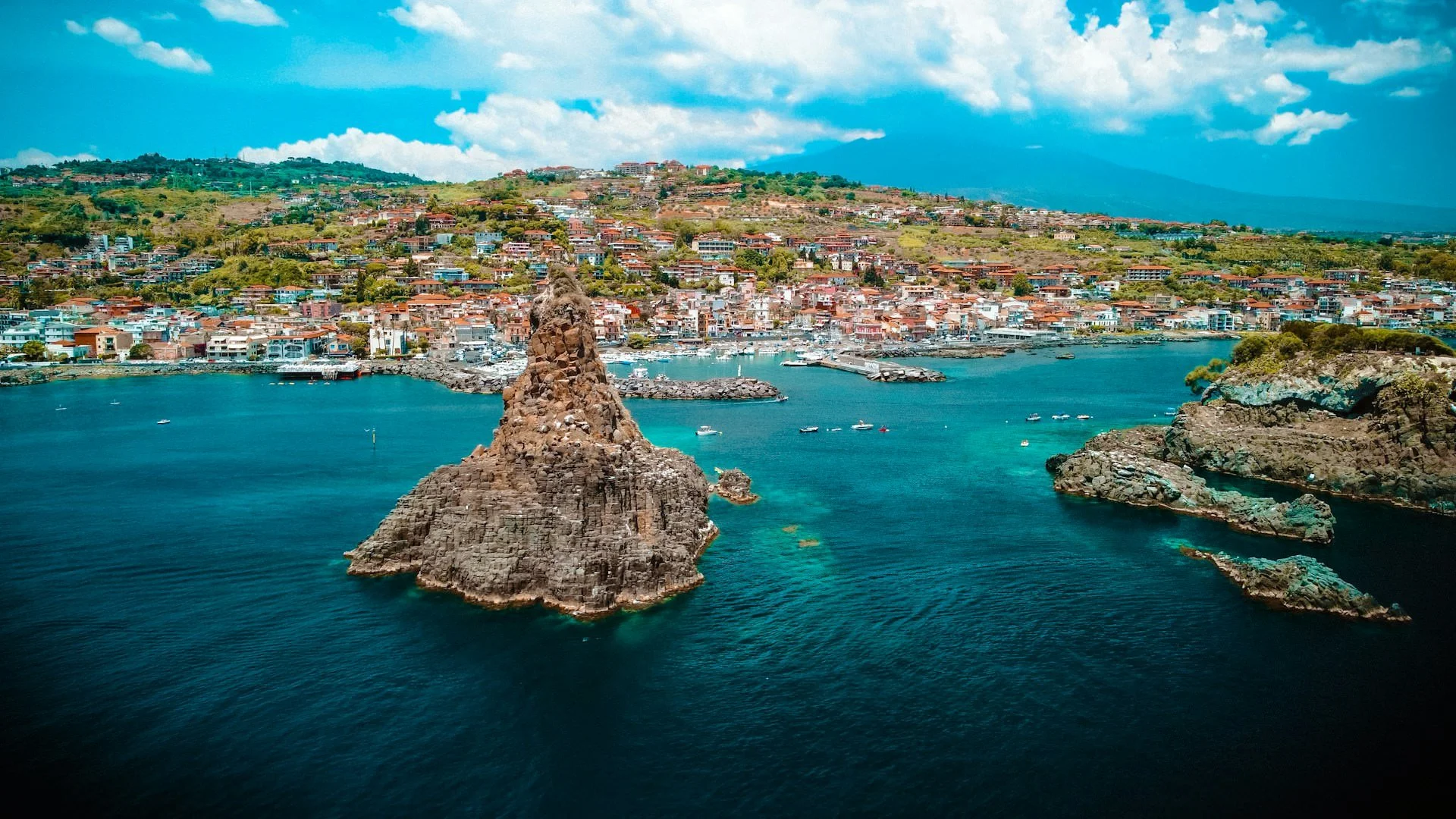
Ask someone who has traveled all over mainland Italy what Sicily is like, and you will often get a pause before the answer. That pause is the whole point. Sicily is not a variation on Tuscany or a warmer version of the Amalfi Coast. It is its own world, separated from the mainland by three kilometers of water and by nearly three thousand years of a completely different story.
At Italy With Bella, we typically send clients to Sicily who have often already fallen in love with Rome, Florence, or Venice. What they find on the island surprises even seasoned Italy travelers. Here is what actually sets Sicily apart, and why we think it deserves more than a quick stop on a bigger itinerary.
A Layered History Unlike Anywhere Else in Italy
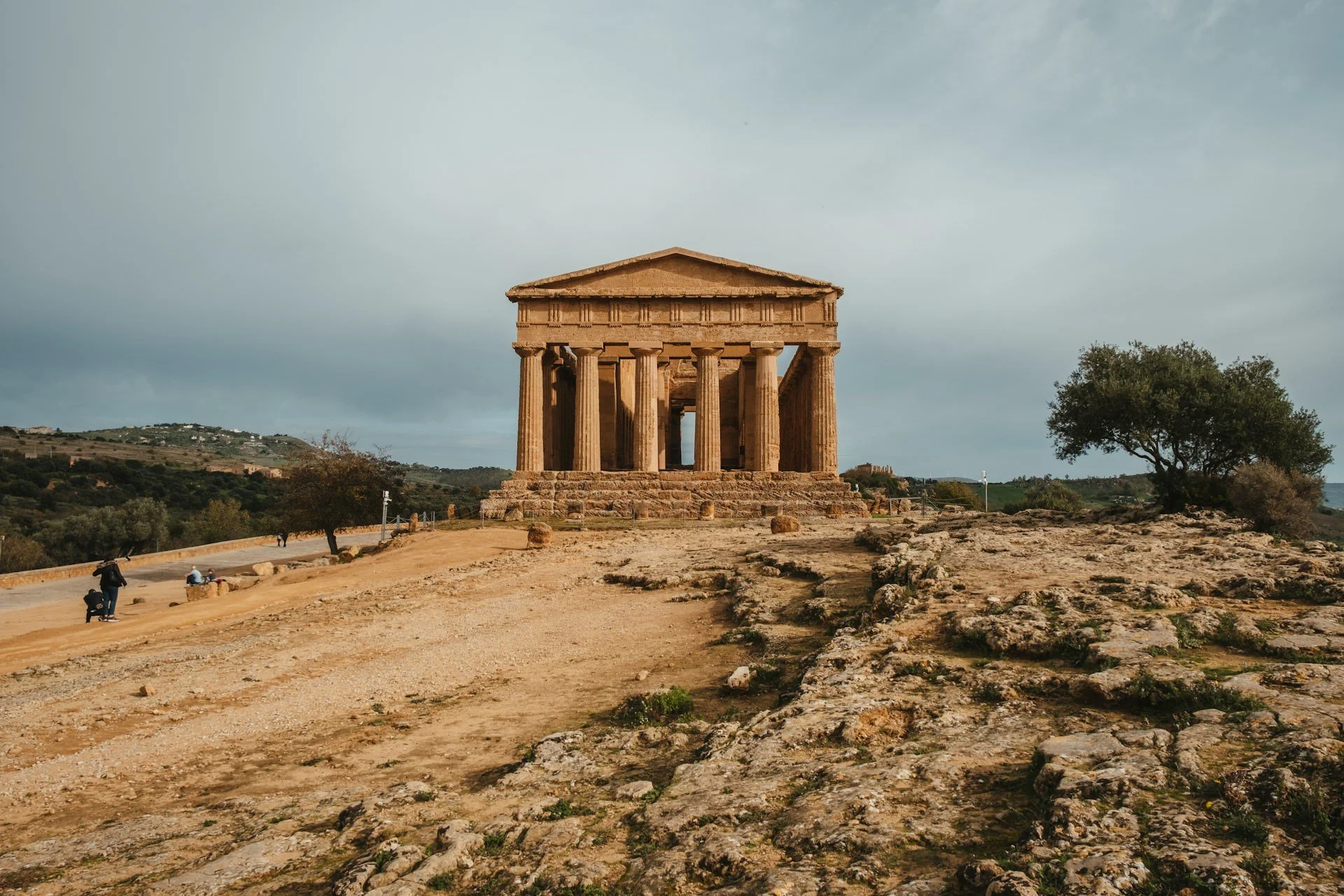
Mainland Italy tells a story built largely on Rome and the Renaissance. Sicily tells a different one entirely. Greeks arrived here centuries before Rome existed as a power, building temples that still stand at the Valley of the Temples in Agrigento. Romans followed. Then came Byzantines, Arabs, Normans, and Spanish rulers, each leaving fingerprints on the island's architecture, language, and daily life.
Walk through Palermo and you will see this layering in a single afternoon: a Norman cathedral built on the bones of a mosque, Arab-influenced domes catching the light beside Baroque facades, and street markets that trace their rhythm back to North African trading routes. Nowhere else in Italy asks you to hold that many centuries and that many cultures in your head at once.
IWB Tip: Give the Valley of the Temples a slow morning rather than a rushed midday stop. The Greek ruins here rival anything in Athens, and the early light on the stone is worth planning around.
A Cuisine That Belongs to Sicily Alone
Sicilian food is not simply Italian food with a coastal accent. It carries the imprint of every civilization that passed through, and the result is a cuisine that stands entirely on its own. Arab traders brought citrus, saffron, and the sweet-and-sour combinations you still find in caponata. Sicily's position at the center of the Mediterranean gave it seafood traditions unlike anything found in Tuscany or the north.
Then there are the specifics that make a Sicilian meal unmistakable: pistachios from Bronte so prized they carry their own protected status, almond pastries that owe their sweetness to centuries-old Arab recipes, and street food in Palermo that locals eat standing up at a counter, not seated at a white tablecloth. Eating in Sicily means eating what the island itself produced, not a regional take on a national menu.
Landscapes That Feel Like Several Countries in One
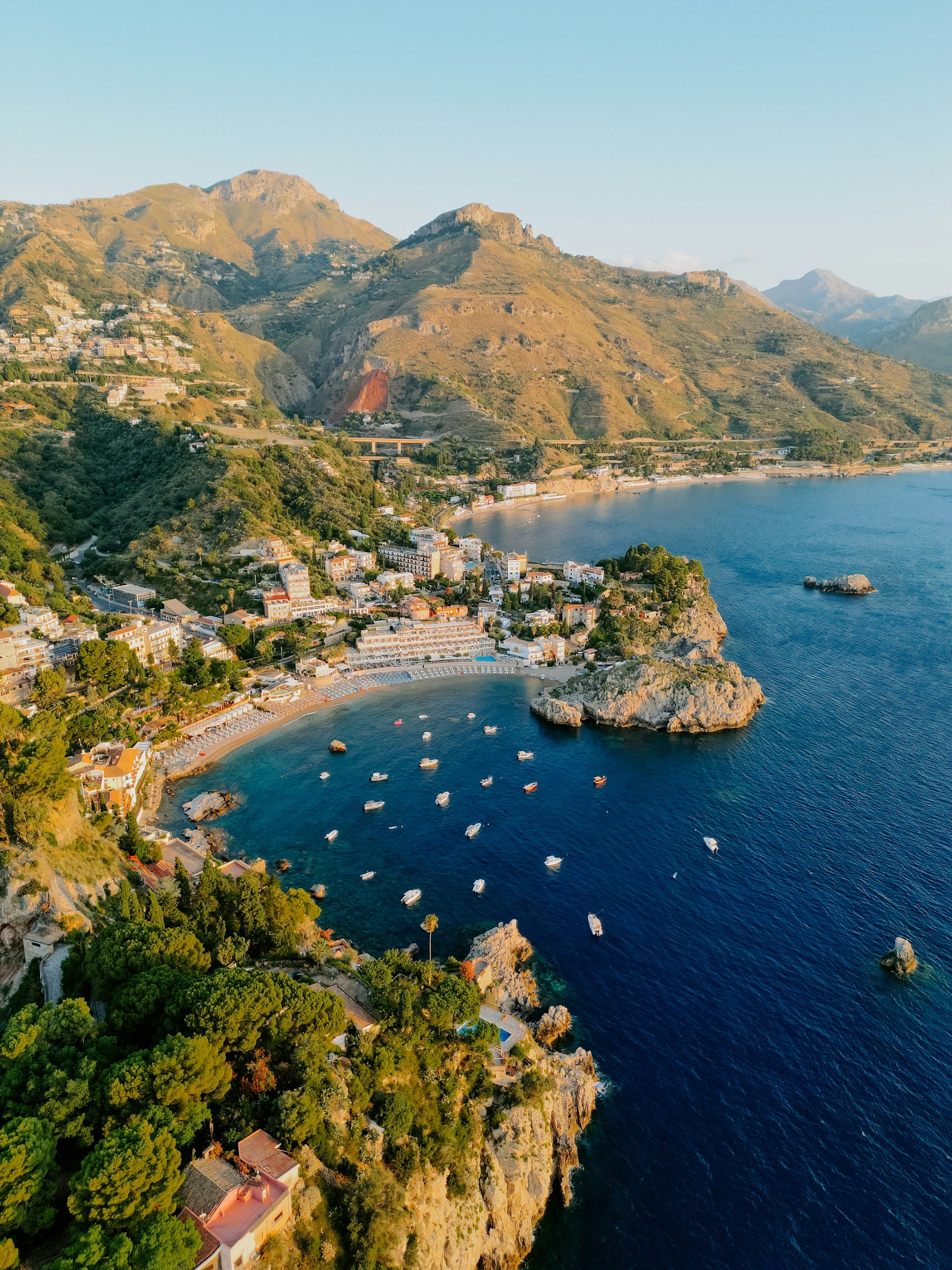
Drive across Sicily and the landscape refuses to repeat itself. Mount Etna smolders in the east, an active volcano that shapes the wine, the soil, and even the skyline of towns for miles around. The Baroque towns of the southeast, like Noto, glow gold in a way that feels closer to southern Spain than to anywhere on the Italian mainland. The coastline near Taormina and Cefalù offers the kind of dramatic, cliffside beauty that draws comparisons to the Amalfi Coast, minus the crowds that have overtaken that stretch of coast in recent years.
This range is part of what makes Sicily difficult to rush. A trip that tries to see the temples, the volcano, the Baroque towns, and the coast in a handful of days will spend more time in the car than in any of those places. We build Sicily itineraries around fewer bases and more time in each one, the same slow travel philosophy we apply everywhere in Italy.
IWB Tip: We typically anchor Sicily itineraries around Palermo and Catania, giving clients a natural home base in the west and the east of the island rather than a scattered, one-night-per-stop route.
A Different Rhythm, Even for Returning Italy Travelers
One thing we tell clients honestly: Sicily does not move at mainland Italy's pace, and it should not be treated as an add-on squeezed onto the end of a Rome and Florence trip. The island rewards travelers who give it real time, generally ten days or more, and who arrive without the checklist mentality that a first Italy trip often carries.
This is exactly why Sicily works so well as a second or third Italian journey. Travelers who have already experienced the more familiar version of Italy tend to appreciate Sicily's different dialects, different food, and different sense of history precisely because it does not try to be more of the same.
The 1% of Sicily We Love to Show Clients
Most visitors see Taormina's cliffside views and the Valley of the Temples, and rightly so. Fewer make it to the quiet interior hill towns, the family-run trattorias in Palermo's less-visited neighborhoods, or the wine country climbing the slopes of Etna itself, where volcanic soil produces some of the most distinctive wine in Italy. That is the Sicily we try to build into every itinerary: the postcard moments alongside the ones that make a trip feel like it was only yours.
Sicily is not a smaller version of Italy or a summer beach add-on. It is one of the most historically rich and culturally distinct corners of the entire country, and it deserves to be planned for on its own terms.
Ready to Experience Sicily's Depth and Beauty?
If Sicily has been on your list, we would love to help you experience it the right way: unhurried, well-paced, and built around what makes the island genuinely different from the rest of Italy. Explore our full Sicily travel guide for itinerary ideas, or start with a free consultation and tell us what draws you to the island.
Start planning here. No generic packages. No group tours. Just Italy, done the right way.