Harvest Season in Italy: Wine, Truffles, Olives and Why It Matters
There is a particular smell that settles over the Italian countryside in the fall. It is part crushed grape, part damp earth, part woodsmoke, and it means something is happening. Something has been happening in Italy every autumn for thousands of years.
Harvest season is not a single event. It is a slow-moving wave that rolls across the country from late August into December, touching nearly every region in a different way. Grapes come first, then olives, then, tucked into the cold soil beneath oak and hazelnut trees, the truffles. Together they form the backbone of Italian food and wine culture, and they turn the Italian countryside into something close to theater. This is our guide to what actually happens during harvest season, when it happens, where to see it, and why we think it is one of the most rewarding times of year to be in Italy.
The Grape Harvest: La Vendemmia
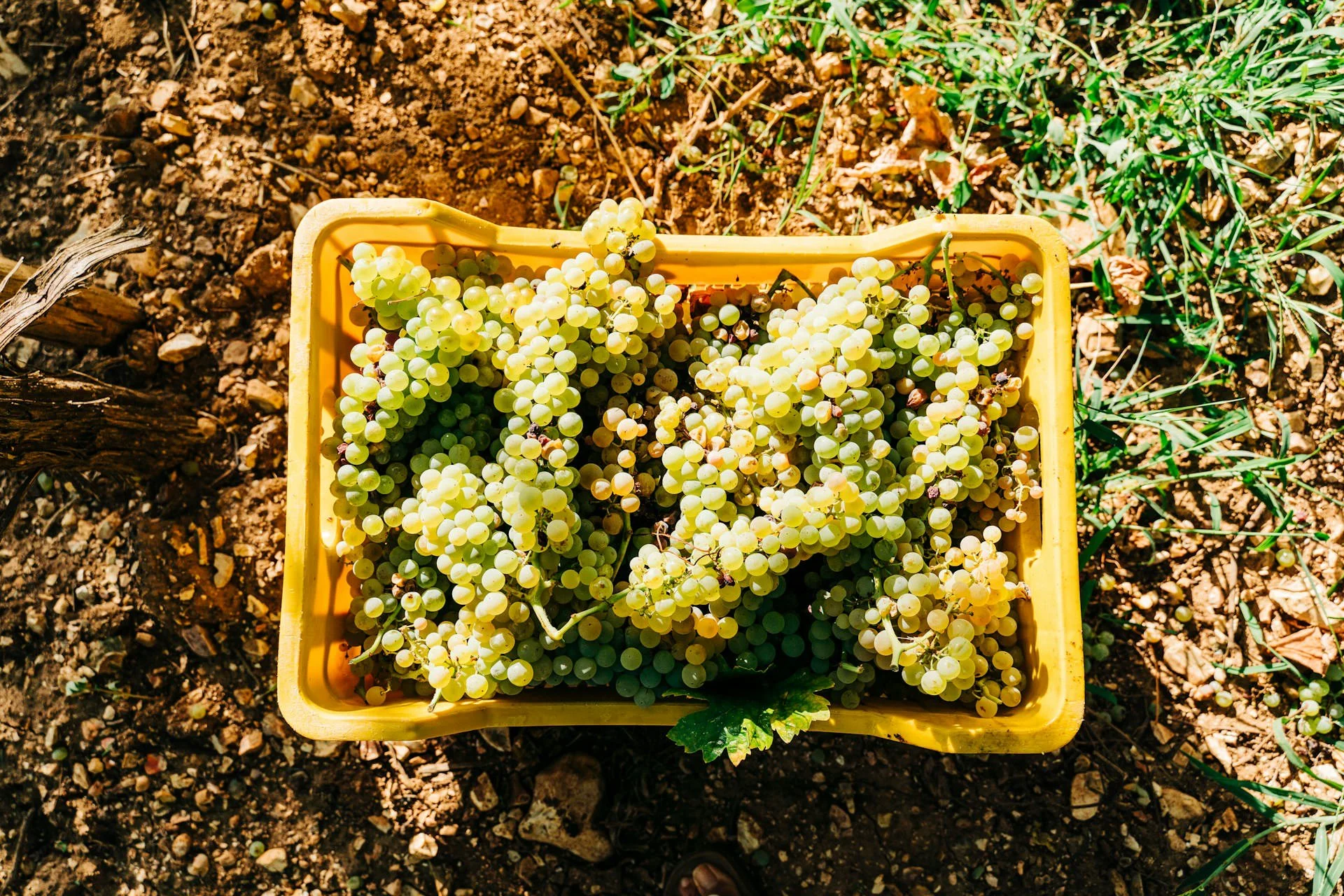
Italy produces more wine than any other country on earth, contributing close to a fifth of the world's total output. Every one of the 20 regions grows grapes, which means vendemmia, the Italian word for the grape harvest, is happening somewhere in the country for months at a time.
So what month do they harvest grapes in Italy? Most vendemmia activity falls between late August and early October, though there is no fixed calendar date. Winemakers are watching sugar levels and acidity in the grapes themselves, not a page on the calendar, and the exact timing shifts every year depending on the growing season. A particularly hot summer can push harvest into early September. A cooler one can push it into October. In the highest, coolest vineyards, and for certain late-ripening grapes, picking can stretch into November.
How it happens matters as much as when. In Italy's most storied wine regions, grapes are still picked by hand, cluster by cluster, and carried in small crates so the skins are not broken before fermentation is meant to begin. This is slow, physical work, and it is also deeply communal. Families, neighbors, and seasonal crews move through the vineyard rows together, and the day usually ends with a shared meal. Machine harvesting exists in Italy, but in the hillside vineyards our clients tend to visit, hand-picking is still the norm.
A few regions define the vendemmia experience:
Piemonte: Nebbiolo grapes for Barolo and Barbaresco, harvested later in the season, often into October, as this variety needs a long, slow ripening period. Morning fog rolls through the Langhe hills during this window, which is part of what makes the wine, and the view, so distinctive..
Tuscany: Sangiovese, the backbone of Chianti Classico, Brunello di Montalcino, and Vino Nobile di Montepulciano. Harvest typically runs through September, with the hillsides around Cortona and the Val d'Orcia turning a deep gold.
Veneto: Glera grapes for Prosecco come in earlier in late summer, while the Corvina grapes behind Amarone della Valpolicella are picked later and then partially dried before pressing, a technique unique to the region.
Sicily: Nero d'Avola across the island and, on the volcanic slopes of Mount Etna, some of Italy's most distinctive and increasingly sought-after wines. Harvest here often runs into October, later than the mainland heat would suggest, because of the elevation.
As the vineyards empty, the rhythm of the season shifts to the olive groves.
IWB Tip: If wine is the centerpiece of your trip, plan for late September into early October. You will catch the tail end of the harvest in most regions, the crowds of high summer will have thinned, and the light across the vineyards is some of the best of the year.
The Olive Harvest: La Raccolta delle Olive
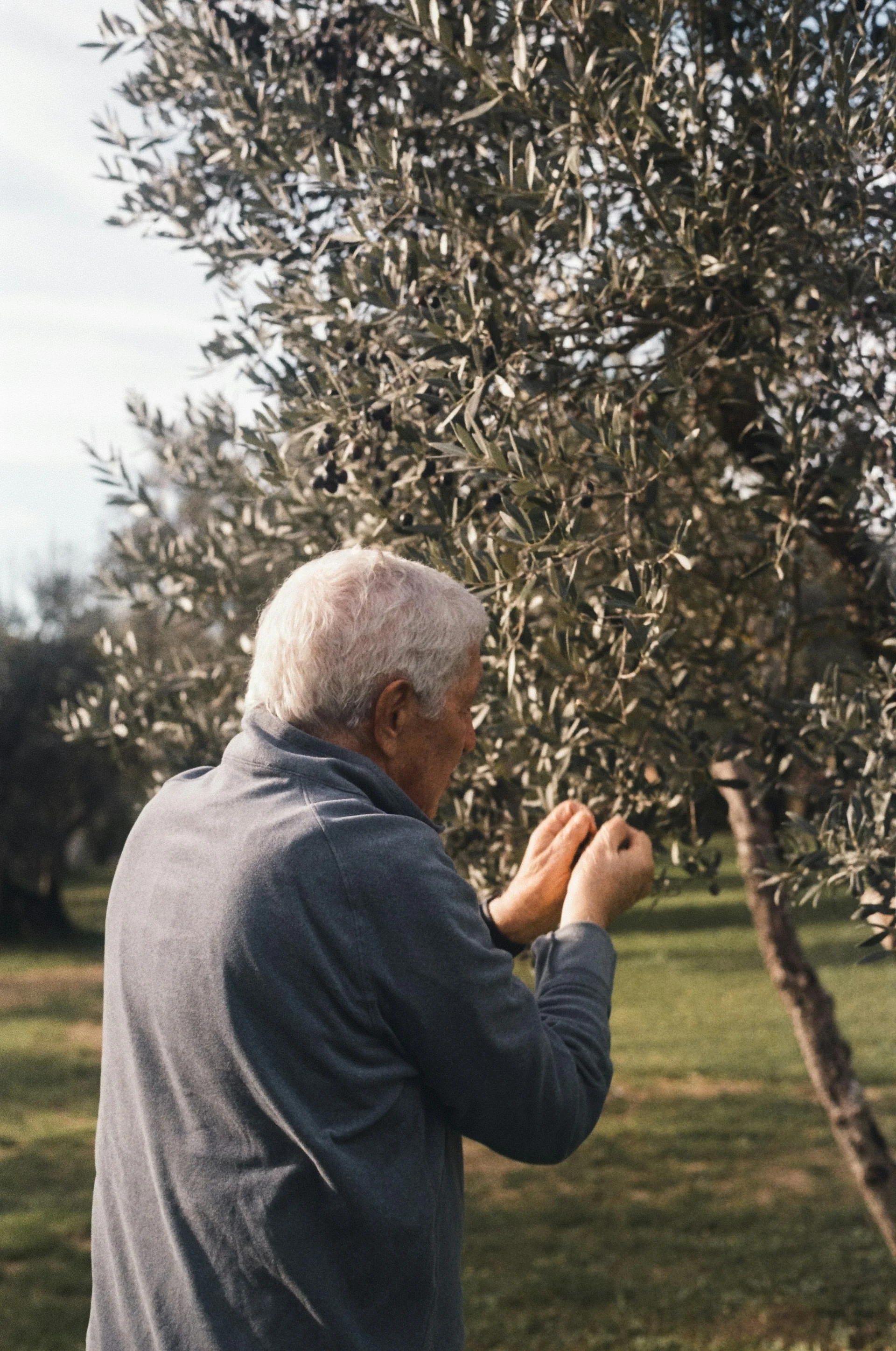
As the vineyards empty out, attention turns to the olive groves. The olive harvest, called la raccolta, generally runs from October through December, with most regions concentrating their work in October and November. The exact window depends on the olive variety, the altitude of the grove, and a process called invaiatura, when the fruit shifts from green to purple, signaling the ideal balance of oil yield and flavor.
Timing is everything with olives in a way that is different from wine. Once picked, olives begin to lose quality almost immediately, so they typically need to reach the frantoio, or olive mill, within 24 to 48 hours. This is why you will see nets spread beneath entire groves during harvest season and why the work happens in a concentrated burst rather than a leisurely stretch.
Harvesting is still largely done by hand or with simple tools in the regions we send clients to. Pickers use rakes or small handheld combs to loosen the olives onto nets below, a method that protects both the fruit and the tree. The olives are then pressed, usually the same day, into what is known as olio nuovo, or new oil: unfiltered, intensely green, and famously peppery, with a sharp bite at the back of the throat that fades within months. It is one of the few Italian products where fresher is unambiguously better, the opposite of wine.
Where to find it:
Tuscany: The country's leading producer of extra virgin olive oil, with groves throughout Chianti, the Val d'Orcia, and around Cortona and Montefalco. Many family estates open their frantoio to visitors during harvest.
Umbria: Known for peppery, robust oils, particularly around Trevi and Montefalco, where olive oil tastings are often paired with the region's wine.
Puglia: Home to some of Italy's oldest olive trees, some centuries old, and a harvest that runs from mid-October into December across the region's flat, sun-baked groves.
Liguria: A gentler, more delicate oil profile than the south, and a beautiful backdrop for a harvest visit along the Riviera.
With the olives gathered, our attention turns to the cool, quiet woods where truffle season awaits.
The Truffle Hunt: White Gold and Black Diamonds
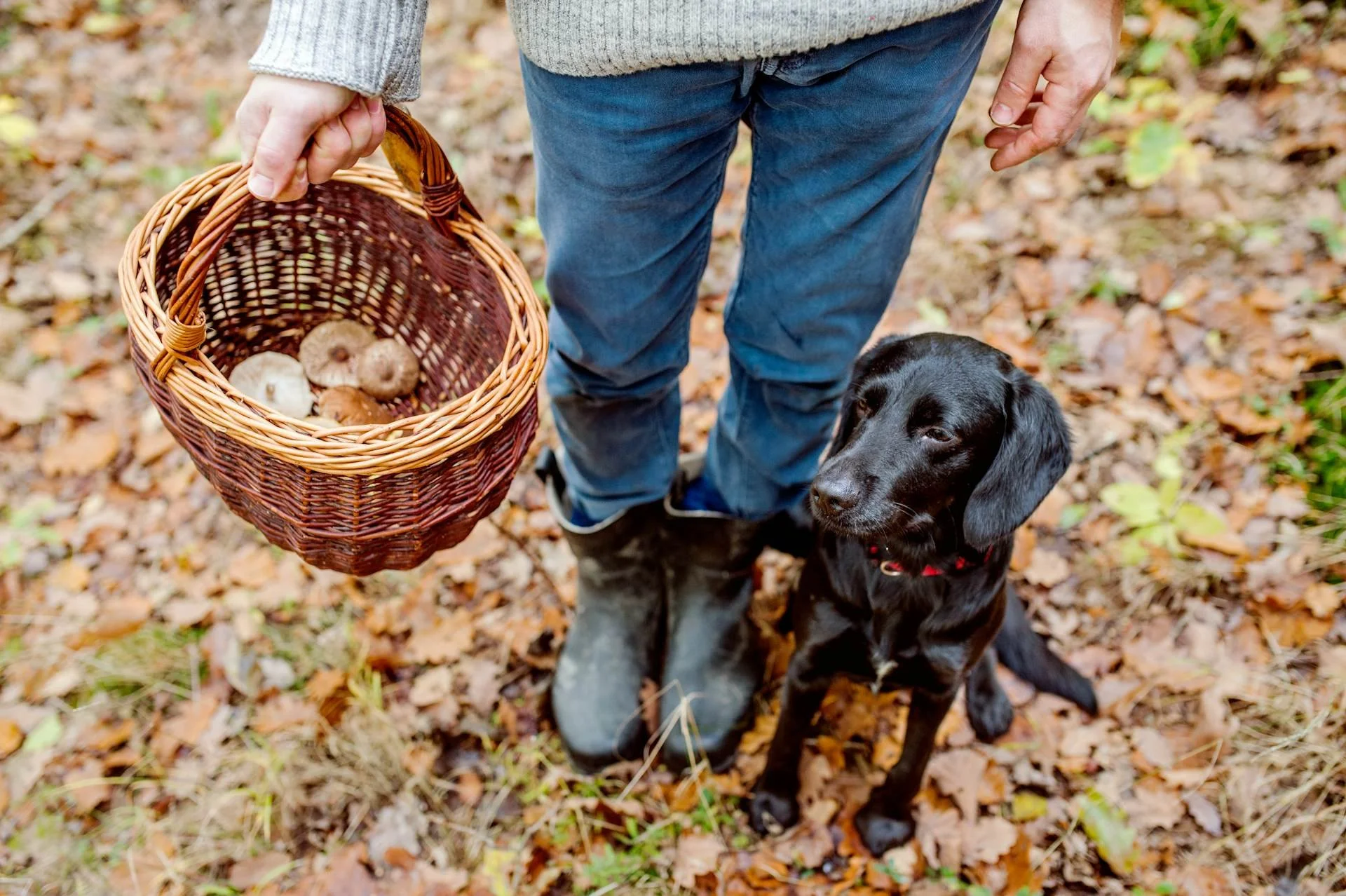
Truffles are the most mysterious of Italy's three great harvests. They are a fungus that grows entirely underground, in a symbiotic relationship with the roots of oak, hazelnut, and poplar trees, and they cannot be seen, only smelled. That is why every serious truffle hunt in Italy involves a dog, typically a Lagotto Romagnolo, trained over years to detect the truffle's aroma through several inches of soil.
Italy produces two main types of truffle, and they do not share a season. The prized white truffle, tartufo bianco, is mainly hunted from October into January, with the richest, most aromatic specimens typically found later in that window than most travelers expect. Black truffles, the more common and more affordable variety, are hunted from roughly mid-November through March, while a milder summer black truffle is found from May through August.
The regions that matter most:
Piemonte: The undisputed home of the white truffle, centered on the town of Alba and the surrounding Langhe hills, the same rolling landscape that produces Barolo and Barbaresco. This is Anthony's favorite underrated region in all of Italy, and truffle season is a large part of why.
Umbria and Tuscany: The heart of Italy's black truffle country, particularly around Norcia in Umbria and San Miniato in Tuscany, both of which hold their own truffle festivals in November.
Le Marche: A quieter, lesser-known truffle region east of Umbria, with both white and black varieties harvested from spring through late fall.
IWB Tip: Many people book their trip around the Alba White Truffle Festival in October. We would gently steer you toward late November into December instead. That festival is wonderful, but it is also the most crowded moment in the Langhe all year, and it does not actually line up with peak truffle season. The white truffle hits its stride later than most people realize, and a hunt in late fall means fewer tour buses and a better shot at the real thing.
What You Should Know as a Traveler
Harvest season is not one tidy window. It is three overlapping seasons stacked on top of each other, and that is actually good news for trip planning, because it means you have flexibility depending on what you care about most.
September favors wine. Grapes are coming in across most of central and northern Italy, and the weather is still warm and stable.
October is the crossover month. Late vendemmia, early olive harvest, and the beginning of white truffle season all happen at once, which makes it an excellent all-around month, and also the most popular, so book accommodations and experiences well ahead.
November brings olive oil and truffles to the forefront, along with cooler weather, shorter days, and noticeably thinner crowds outside of the festival towns.
December is quiet and atmospheric, with the last of the olive harvest wrapping up and truffle season in Piemonte and Umbria hitting its true peak.
Traveler's Tip: Pack layers no matter which month you choose. Mornings in the hill towns of Tuscany, Piemonte, and Umbria can be genuinely cold, even when afternoons are mild, and a truffle hunt in the woods means real walking shoes, not the sandals from your summer coastal itinerary. Rain is also more common in autumn, so build in flexibility rather than scheduling outdoor experiences back to back.
Experiences You Should Not Miss
This is the season we build some of our most memorable itineraries around, because harvest is not something you observe from a distance in Italy. It is something you can actually take part in.
Join a private truffle hunt with a trifolau and his dog, followed by a lunch where the truffle you helped find is shaved directly over your pasta.
Spend a morning picking grapes alongside a family estate, then watch the must move from press to vat. Many wineries in Piemonte and Tuscany welcome visitors during vendemmia, though this needs to be arranged in advance since the exact picking day depends on the grapes, not the calendar.
Visit a frantoio during olive pressing and taste olio nuovo the way it is meant to be tasted, drizzled warm over a slice of unsalted Tuscan bread, within days of the harvest.
Pair a wine tasting with an olive oil tasting in the same afternoon, a combination that comes together beautifully in Umbria and around Montefalco and Cortona.
Sit down to a proper harvest table. Autumn menus across Italy lean into the season, wild mushrooms, chestnuts, new oil, young wine, and this is the one time of year you can order truffle on nearly everything and mean it.
Seeing the vineyards, the olive groves, and the truffle woods all in one trip means moving through more than one region, which is exactly the kind of custom, multi-region itinerary we build every day. We know which estates open their doors during harvest, which truffle hunters are worth your morning, and which weeks to avoid because a festival has turned a quiet hill town into a parking lot.
Ready to Plan Your Harvest Season Trip?
At Italy With Bella, we build fully custom, private itineraries across all 20 Italian regions, timed to the season that matters most to you. We have walked these vineyards, stood in these olive groves, and followed the dogs into these woods ourselves.
Start with a free consultation at italywithbella.com/schedule. No generic packages. No group tours. Just Italy, done the right way.