What to Do in Sicily: A Region-by-Region Guide
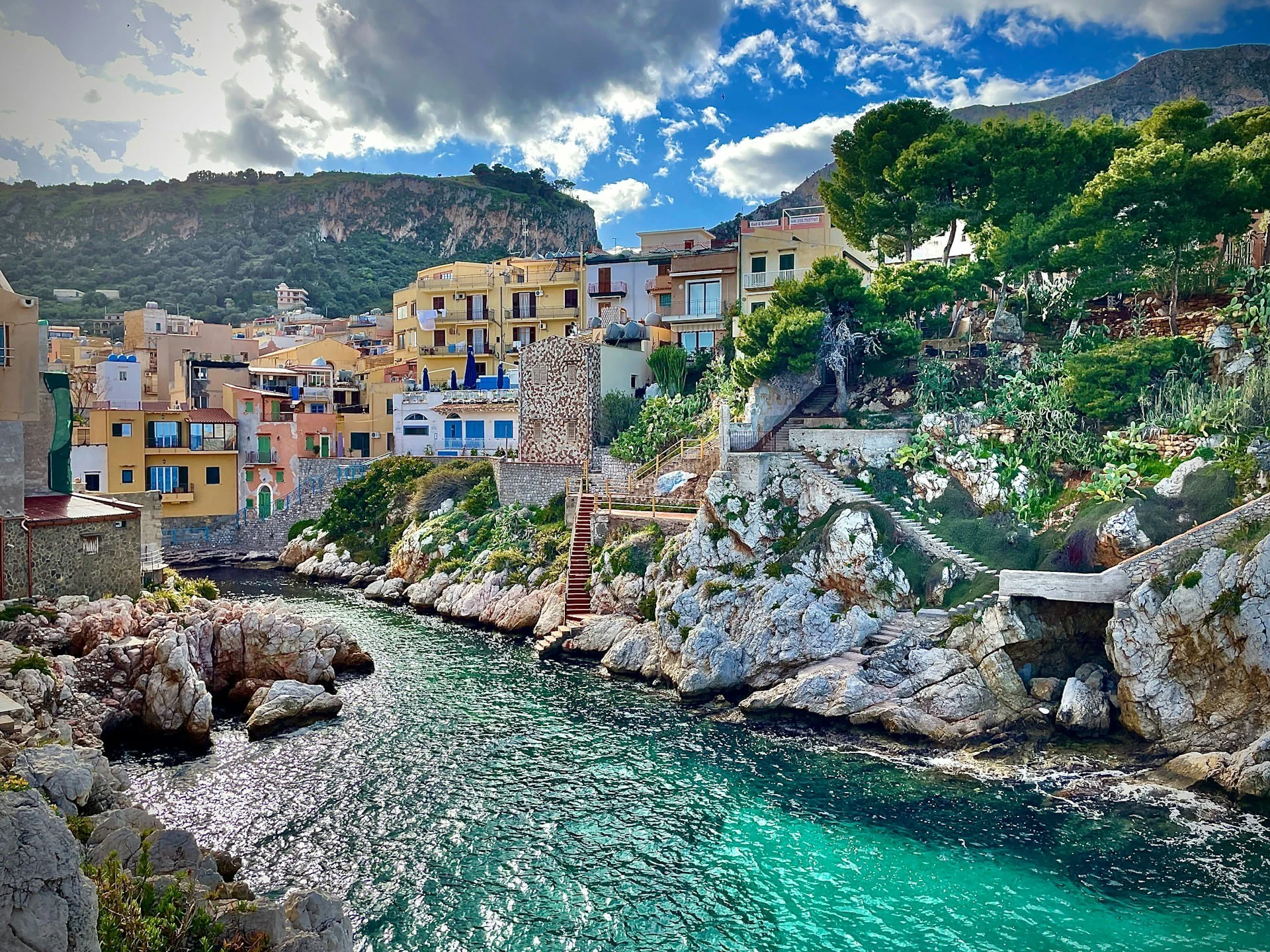
Sicily is not a place to rush.
As the largest island in the Mediterranean, Sicily offers an extraordinary mix of ancient history, volcanic landscapes, coastal towns, Baroque cities, street food, wine, beaches, and deeply layered culture. Greek, Roman, Arab, Norman, Spanish, and Italian influences have all left their mark here, which is part of what makes Sicily feel so distinct from the mainland.
But Sicily is also big, varied, and more complex than many travelers expect. A trip that focuses only on Taormina or Palermo gives you just one small piece of the island. The best Sicily itineraries are usually built by region, allowing enough time to understand the rhythm, flavors, and character of each area.
Here is a region-by-region guide to what to do in Sicily, from the dramatic east coast to the Baroque southeast, the culturally rich west, and the ancient landscapes of the south.
Eastern Sicily: Taormina, Mount Etna, Catania, and Syracuse
Eastern Sicily is often where first-time visitors begin, and for good reason. This part of the island combines some of Sicily’s most recognizable sights: Mount Etna, Taormina, Catania, and Syracuse. It is also one of the easiest areas to connect logistically, especially for travelers flying into Catania.
Taormina
Taormina is one of Sicily’s most famous destinations. Set high above the Ionian Sea, it offers beautiful views of the coastline and Mount Etna. The town is compact and walkable, with Corso Umberto serving as its central pedestrian street lined with shops, cafés, restaurants, and historic architecture.
The most important site in Taormina is the ancient Greek-Roman theater, Teatro Antico di Taormina. Its setting, with the sea and Mount Etna in the background, is one of the most iconic views in Sicily.
It is important to know that Taormina itself is not directly on the beach. The town sits on a hill, while the coastal areas below, including Mazzarò and Isola Bella, are reached by cable car, taxi, or transfer. Taormina works especially well for travelers who want a polished base with strong dining, scenic beauty, and easy access to day trips.
What to do in Taormina:
Take a guided visit of the ancient theater, stroll Corso Umberto, enjoy the views from Piazza IX Aprile, spend time by the sea at Mazzarò or Isola Bella, and use Taormina as a base for Mount Etna or eastern coastal excursions.
Mount Etna
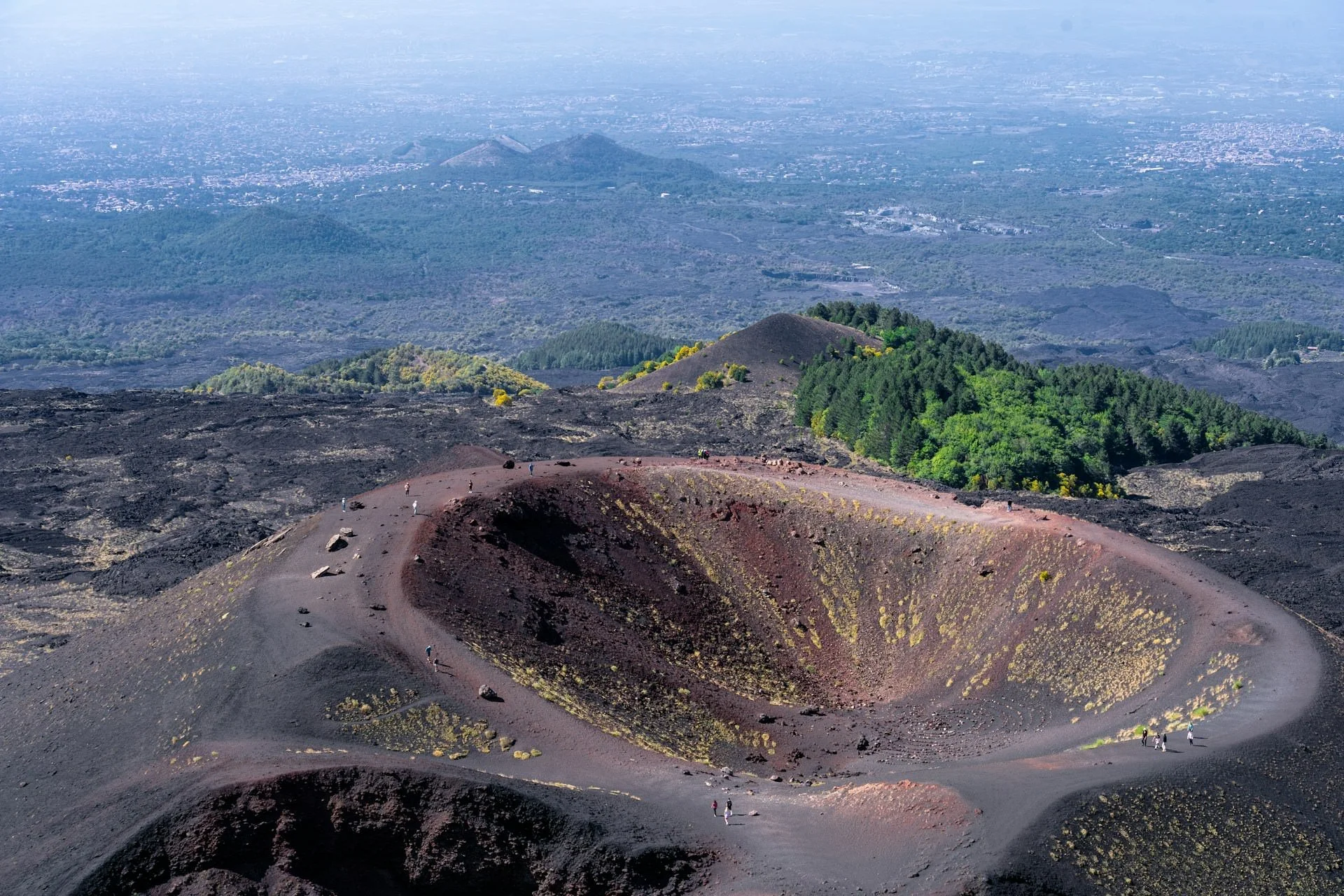
Mount Etna is one of the most active volcanoes in the world and one of Sicily’s defining natural landmarks. Its landscape changes dramatically with elevation, from vineyards and orchards to lava fields and high-altitude volcanic terrain.
Etna is also one of Sicily’s most interesting wine regions. The volcanic soils, altitude, and temperature shifts create distinctive red and white wines, especially around the Etna DOC area.
Travelers typically visit from either the southern side, near Rifugio Sapienza, or the northern side, near Piano Provenzana. The southern side is more developed and easier for many visitors, while the northern side tends to feel wilder and less crowded.
What to do on Mount Etna:
Take a guided volcano excursion, visit lava fields and craters, enjoy a winery lunch, taste Etna wines, go hiking in warmer months, or, in the right winter conditions, even ski on the volcano.
Catania
Catania is Sicily’s second-largest city and one of its most energetic. Located at the foot of Mount Etna, it has a lively, urban atmosphere, a major airport, and a historic center known for Baroque architecture built in dark volcanic stone.
Catania can feel chaotic at first, but that is part of its character. It is a city best experienced with context, especially through its food, markets, architecture, and local neighborhoods. The fish market, La Pescheria, is one of the most atmospheric places to understand everyday life in the city.
Catania is also a strong base for travelers who want access to Mount Etna, Taormina, Syracuse, and the southeastern Baroque towns.
What to do in Catania:
Visit the fish market, explore Piazza del Duomo, see the Elephant Fountain, taste local street food, take a market or cooking tour, and use the city as a logistical hub for eastern Sicily.
Syracuse and Ortigia
Syracuse was one of the most important cities of the ancient Greek world, and today it offers one of Sicily’s most rewarding combinations of history, beauty, and walkability.
The historic heart of Syracuse is Ortigia, a small island connected to the mainland by bridges. Ortigia is ideal for relaxed exploration, with narrow streets, sea views, elegant piazzas, restaurants, churches, markets, and access to the waterfront.
Outside Ortigia, the Neapolis Archaeological Park includes major Greek and Roman remains, including a Greek theater and Roman amphitheater. This makes Syracuse a strong choice for travelers who want both atmosphere and ancient history.
What to do in Syracuse and Ortigia:
Wander Ortigia’s historic streets, visit the market, see Piazza del Duomo, explore Castello Maniace, visit the Neapolis Archaeological Park, take a boat ride, and enjoy a slower evening along the waterfront.
Southeastern Sicily: Noto, Ragusa, Modica, and the Val di Noto
Southeastern Sicily is one of the most architecturally beautiful parts of the island. The Val di Noto is known for its late Baroque towns, many of which were rebuilt after the devastating earthquake of 1693. Today, towns like Noto, Ragusa, Modica, and Scicli are celebrated for their churches, palaces, staircases, honey-colored stone, and elegant urban design.
This region is ideal for travelers who love art, architecture, food, slow wandering, and day trips through smaller towns.
Noto
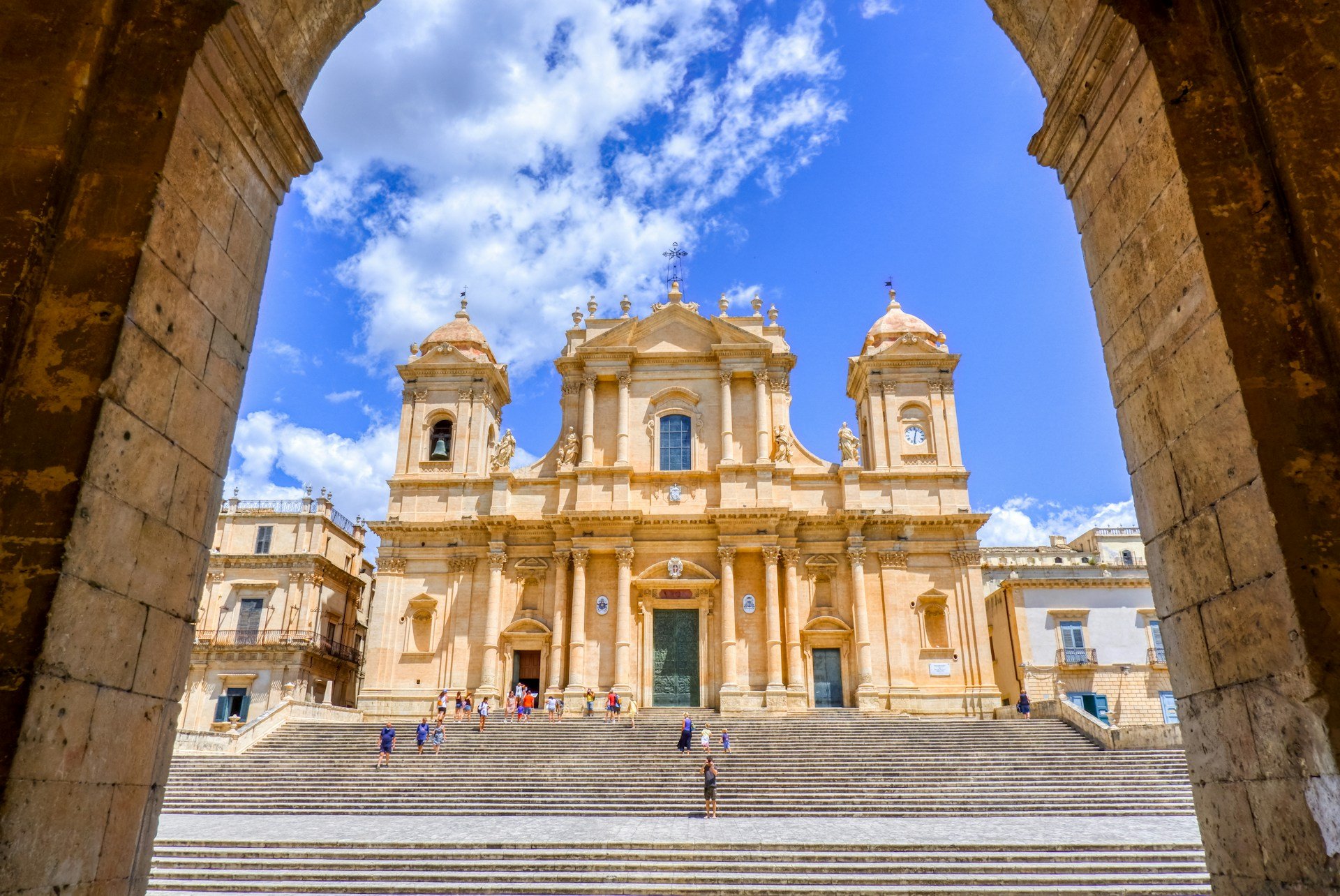
Noto is often considered the jewel of the Val di Noto. Its historic center is compact, elegant, and easy to explore on foot. The town is known for its grand Baroque churches, graceful staircases, and warm limestone buildings that glow beautifully in the late afternoon light.
Noto is also a wonderful place for the Italian ritual of the passeggiata, an evening stroll through town. In May, it hosts the Infiorata, a flower festival where streets are decorated with elaborate floral designs.
The surrounding area also gives travelers access to beaches and nature reserves, including Vendicari Nature Reserve and Calamosche Beach.
What to do in Noto:
Walk Corso Vittorio Emanuele, visit the Cathedral of Noto, explore Baroque churches and palaces, enjoy an aperitivo in town, visit local cafés and pastry shops, and pair the town with a beach or nature reserve visit.
Ragusa
Ragusa is dramatic and atmospheric, especially in its historic district, Ragusa Ibla. The town is built into a hilly landscape, with stone buildings, winding lanes, staircases, gardens, and sweeping views.
Ragusa feels quieter and less polished than some of Sicily’s better-known stops, which can be exactly its appeal. It is a strong fit for travelers who enjoy a slower pace, architectural wandering, and food-focused experiences.
The Cathedral of San Giorgio is one of Ragusa Ibla’s most important landmarks, and the Giardino Ibleo offers a peaceful place to pause with views over the surrounding countryside.
What to do in Ragusa:
Explore Ragusa Ibla, visit the Duomo di San Giorgio, walk through the Giardino Ibleo, enjoy a food-focused itinerary, and use Ragusa as a base for day trips to Modica, Scicli, and other Baroque towns.
Modica
Modica is another beautiful Baroque town in southeastern Sicily, but it is especially famous for chocolate. Modica chocolate is traditionally made with a cold-processing method, which gives it a distinct granular texture and deep cocoa flavor.
The town itself is built across a dramatic valley, with churches, staircases, and layered neighborhoods rising up the hillside. Two of its most important churches are the Duomo di San Giorgio and the Duomo di San Pietro.
Modica works beautifully as a day trip from Ragusa or Noto, especially for travelers interested in food traditions and local craft.
What to do in Modica:
Taste Modica chocolate, visit traditional chocolate makers, explore the Baroque churches, walk the staircases and viewpoints, and try local specialties such as scacce, a savory filled flatbread.
Northern and Northwestern Sicily: Cefalù, Palermo, Castellammare del Golfo, Trapani, Erice, and the Egadi Islands
Western Sicily feels more spread out than the east, but it is rich in cultural depth, food traditions, coastal beauty, and archaeological sites. It is a wonderful fit for travelers who have already visited Italy’s classic cities and want a deeper, more local-feeling experience.
This part of Sicily includes Palermo, one of Italy’s most fascinating cities, plus beautiful coastal towns, salt pans, islands, markets, and historic hill towns.
Cefalù
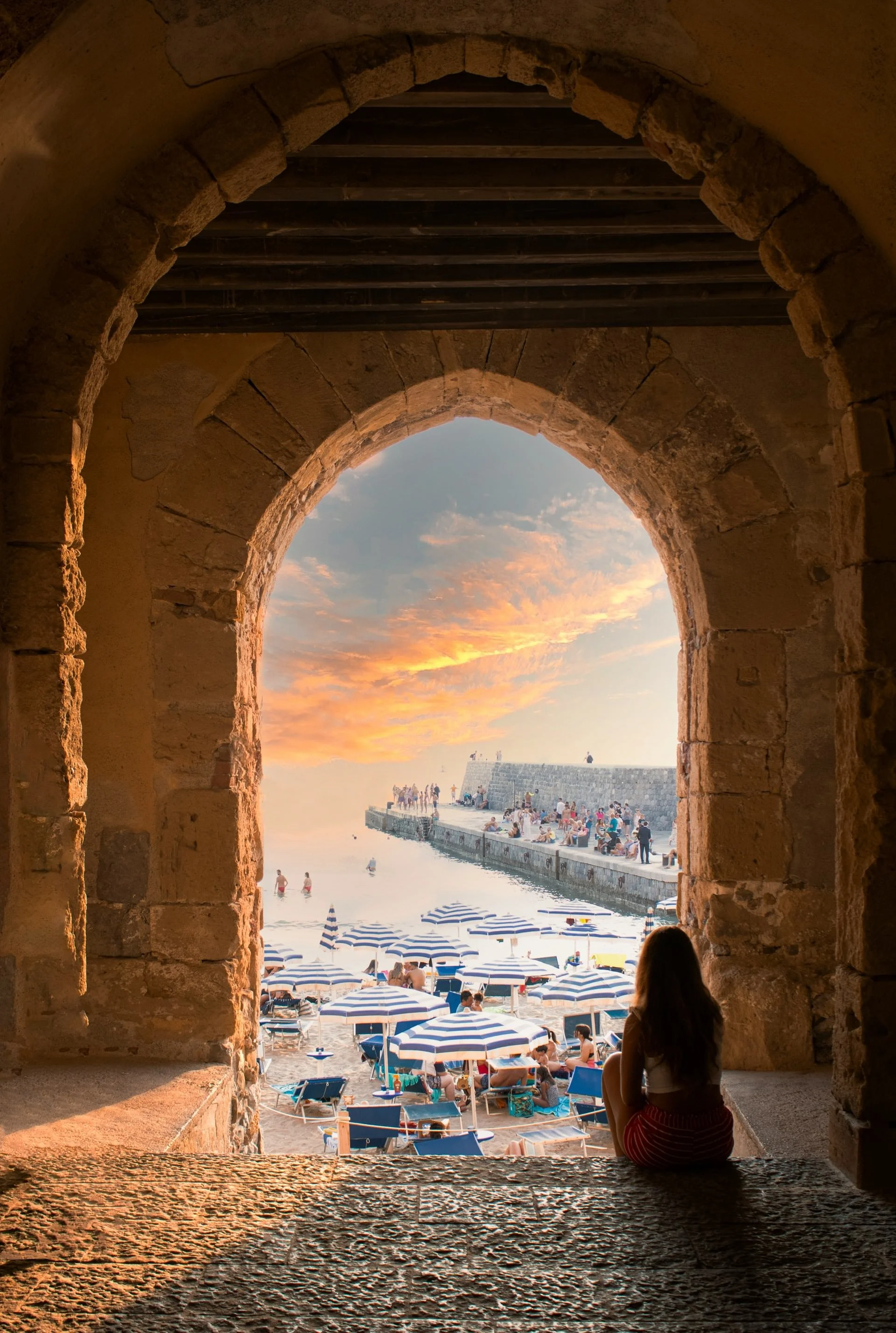
Cefalù is one of Sicily’s most picturesque seaside towns. Located on the northern coast east of Palermo, it combines a medieval historic center with a sandy beach, making it a good choice for travelers who want both culture and relaxation.
The Cefalù Cathedral is the town’s most important monument and is known for its Norman architecture and Byzantine mosaics. The town is also overlooked by La Rocca, a rocky promontory that active travelers can hike for panoramic views.
What to do in Cefalù:
Visit the cathedral, walk the historic center, relax on the beach, see the medieval wash house, visit the Mandralisca Museum, and hike La Rocca for views over the town and sea.
Palermo
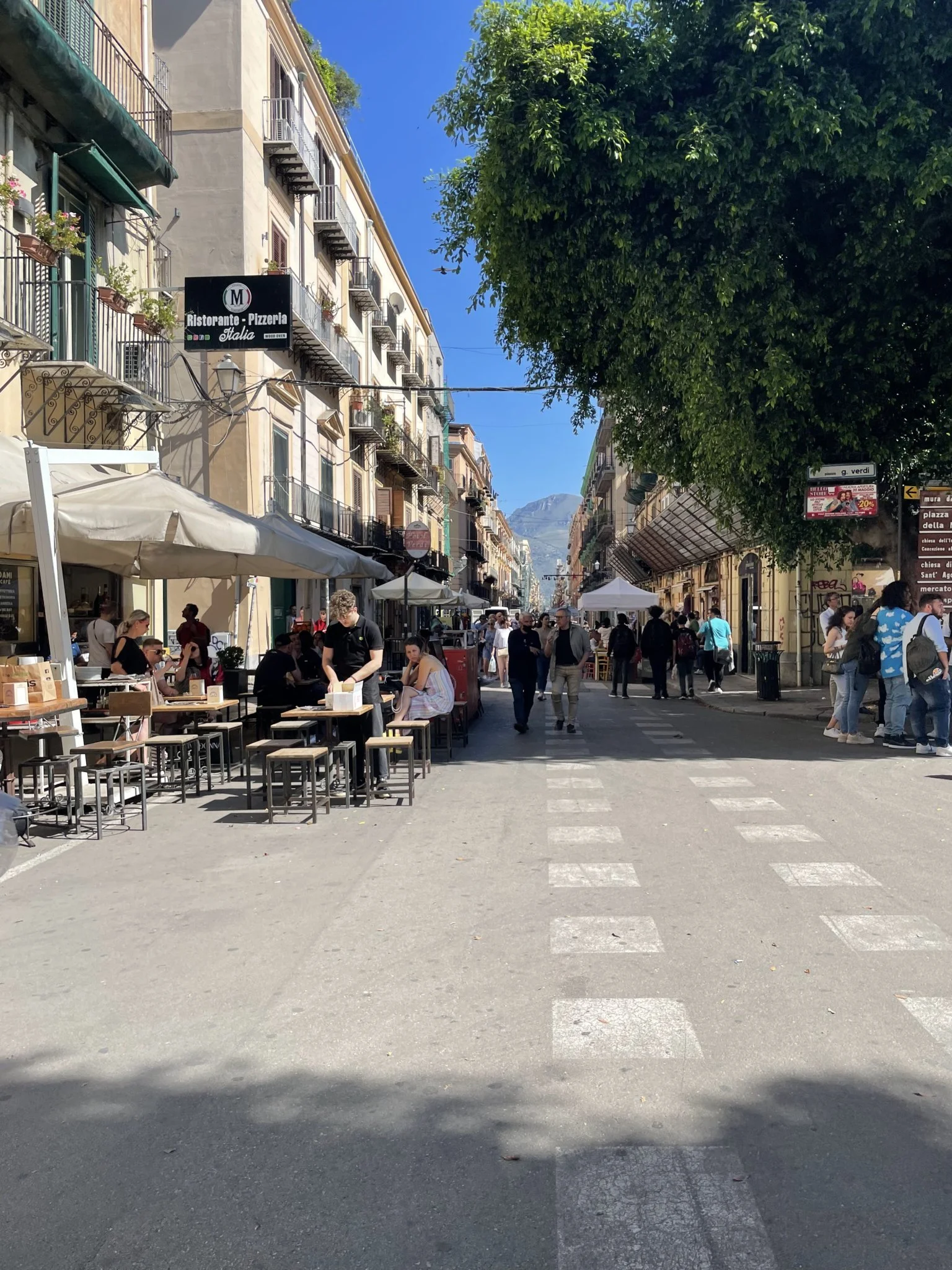
Palermo is Sicily’s capital and one of the most culturally layered cities in Italy. Its historic center is filled with churches, palaces, markets, theaters, and architecture shaped by Arab, Norman, Byzantine, Spanish, and Italian influences.
For food lovers, Palermo is essential. The city’s open-air markets, including Ballarò, Capo, and Vucciria, are some of the best places to experience Sicilian street food and local life. Palermo is also home to landmarks such as the Palermo Cathedral, Norman Palace, and Palatine Chapel.
Palermo is energetic and sensory. It can feel overwhelming, but it is one of the best places to understand Sicily through food, architecture, and daily life.
What to do in Palermo:
Take a street food tour, visit the historic markets, see the Norman Palace and Palatine Chapel, visit Palermo Cathedral, explore Arab-Norman architecture, attend a puppet theater performance, and take a beach break in nearby Mondello.
Castellammare del Golfo and Scopello
Castellammare del Golfo is a scenic harbor town with a traditional fishing atmosphere. Its waterfront, marina, restaurants, and old streets make it a pleasant base for exploring northwestern Sicily.
Nearby Scopello is known for its historic tuna fishery, rocky coastline, and access to the Zingaro Nature Reserve, one of Sicily’s most beautiful coastal nature areas.
Travelers should be aware that some historic centers in Sicily have restricted traffic zones, narrow streets, and limited parking. In towns like Castellammare del Golfo, it is often best to park outside the center and explore on foot.
What to do in Castellammare del Golfo and Scopello:
Walk the harbor, visit Scopello, try pane cunzato, spend time by the sea, and hike or swim in the Zingaro Nature Reserve.
Trapani
Trapani sits on the far western tip of Sicily and is one of the best bases for exploring the region. The historic center is flat and walkable, with Baroque architecture, sea views, pedestrian streets, and a distinct culinary identity influenced by North Africa.
The city is known for salt pans, windmills, seafood, and couscous alla trapanese. It is also the gateway to Erice and the Egadi Islands, making it a smart base for travelers who want day trips without constantly changing hotels.
What to do in Trapani:
Walk Corso Vittorio Emanuele, visit the Ligny Tower, explore the salt pans, look for flamingos in the right season, take the cable car to Erice, ferry to the Egadi Islands, and consider a day trip to Segesta.
Erice
Erice is a medieval hilltop town above Trapani, known for its stone streets, sweeping views, castles, churches, and almond pastries. It can be reached by car or cable car, weather permitting.
The town feels completely different from coastal Trapani below, which makes the pairing especially memorable. On a clear day, the views from Erice stretch across the sea, salt pans, and Egadi Islands.
What to do in Erice:
Visit the Castello di Venere, walk the medieval streets, enjoy the viewpoints, and stop for traditional almond pastries.
Egadi Islands
The Egadi Islands, located off the coast of Trapani, are one of western Sicily’s most beautiful island escapes. Favignana is the most visited and easiest for many travelers, while Levanzo and Marettimo offer quieter, more rugged experiences.
Favignana is especially popular for beaches, coves, cycling, scooters, and relaxed seaside meals. The islands work well as a day trip from Trapani, though travelers who want a slower pace may prefer to stay longer.
What to do in the Egadi Islands:
Take the ferry from Trapani, explore Favignana by bike or scooter, swim in clear coves, visit the town center, hike to viewpoints, or choose a boat day around the islands.
Western and Southwestern Sicily: Marsala, Sciacca, Selinunte, and Agrigento
The western and southern parts of Sicily are ideal for travelers interested in archaeology, wine, salt landscapes, ceramics, and quieter coastal towns. Distances can be longer, but the rewards are significant.
Marsala
Marsala is best known for its fortified wine, which has been exported since the 18th century. Today, it is a relaxed coastal town with a walkable center, historic wineries, and access to beautiful salt pan landscapes.
Nearby, the island of Mozia, also called Motya, is an important Phoenician archaeological site located in the Stagnone Lagoon. It is reached by a short boat ride and offers a fascinating look at Sicily’s ancient Mediterranean connections.
What to do in Marsala:
Taste Marsala wine, visit historic wineries, explore the town center, see the salt pans and windmills, and take a boat to Mozia.
Sciacca
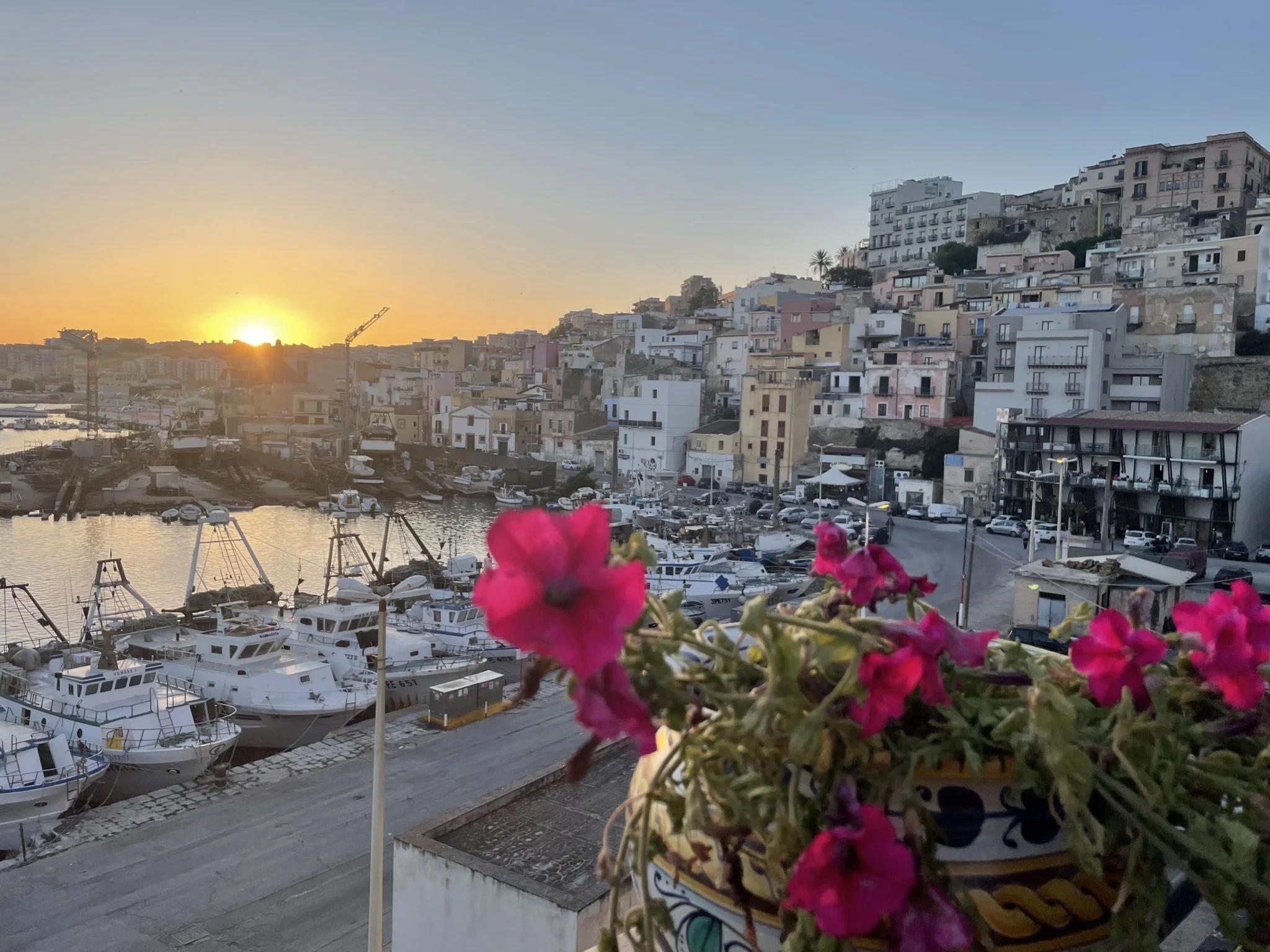
Sciacca is a colorful coastal town known for its fishing tradition, ceramics, staircases, and artisan workshops. It has a more local feel than many of Sicily’s famous tourist towns and can be a good base for exploring southwestern Sicily.
Sciacca is also within reach of Selinunte, one of the largest archaeological parks in Europe. For travelers interested in ancient Greek history but looking beyond Agrigento, Selinunte is a compelling stop.
If visiting in February, Sciacca is known for one of Sicily’s historic Carnival celebrations, with elaborate papier-mâché floats.
What to do in Sciacca:
Explore the historic center, visit ceramic workshops, walk the decorated staircases, enjoy seafood, and take a day trip to Selinunte.
Agrigento and the Valley of the Temples
Agrigento is one of Sicily’s great ancient history destinations. The Valley of the Temples is a UNESCO World Heritage Site and one of the most impressive archaeological areas in the Mediterranean, with remarkably preserved Greek temples set in a landscape of olive and almond trees.
The Temple of Concordia is the most famous and best-preserved temple in the park, but the entire site deserves time and context. Visiting with a knowledgeable guide can help bring the ancient city of Akragas to life.
Agrigento also pairs well with the Garden of Kolymbethra, a historic garden within the archaeological area, and nearby coastal landscapes such as Scala dei Turchi.
What to do in Agrigento:
Visit the Valley of the Temples, see the Temple of Concordia, explore the Garden of Kolymbethra, consider a picnic experience, and pair the area with nearby beaches or nature reserves.
How to Choose the Right Region of Sicily
Because Sicily is large, the best region depends on your travel style, timing, and interests.
Choose Eastern Sicily if you want iconic scenery, Mount Etna, Taormina, Syracuse, and easier logistics through Catania.
Choose Southeastern Sicily if you love Baroque architecture, elegant smaller towns, food traditions, beaches, and a slower pace.
Choose Palermo and the northwest if you want markets, street food, Arab-Norman architecture, coastal towns, and a more layered urban experience.
Choose Western and southern Sicily if you are drawn to archaeology, wine, salt pans, ceramics, ancient temples, and less polished but deeply rewarding landscapes.
For a first trip, many travelers do best focusing on either the east and southeast or the west and south, rather than trying to circle the entire island too quickly. Sicily rewards depth over speed.
Final Thoughts
Sicily is not just one destination. It is a collection of regions, landscapes, histories, and flavors that each tell a different part of the island’s story.
You can stand on the slopes of an active volcano in the morning, eat seafood by the sea in the afternoon, and wander through a Baroque town at sunset. You can explore Greek temples, Norman mosaics, Arab-influenced markets, fishing harbors, salt pans, vineyards, and quiet beaches, all within one island.
The key is knowing where to slow down.
With the right itinerary, Sicily becomes more than a checklist. It becomes a layered, sensory, unforgettable journey through one of Italy’s most distinctive regions.