Top Tourist Attractions in Italy vs. Tourist Traps: What to See, What to Skip, and How to Know the Difference
Let's be honest: Italy can break your heart just as easily as it can steal it.
You spend months dreaming about the Amalfi Coast, counting down the days until you're standing at the edge of something impossibly beautiful. And then you arrive to a crowd of 3,000 strangers, a restaurant that reheated your pasta, and a taxi driver who quoted you triple the going rate.
This is not inevitable. It's just what happens when you let TripAdvisor or ChatGPT plan your trip.
After years of planning custom trips across all 20 regions of Italy, we've seen which iconic sites genuinely live up to the legend and which ones have been slowly hollowed out by over-tourism. Here's our honest take, and the philosophy that guides every itinerary we build at Italy With Bella.
First, the Hard Truth About "Must-See" Italy
Only about 1% of Italy actually gets seen by tourists. The other 99%? It's sitting there, quietly extraordinary, waiting for the traveler who was willing to look just a little bit further.
The challenge is that many of Italy's most famous attractions became famous for a very good reason. The Colosseum is genuinely awe-inspiring. The canals of Venice are romantic beyond any photograph's ability to capture. But fame in Italy, as in most of the world, eventually breeds crowds, and crowds breed shortcuts, inflated prices, and the slow erosion of the very thing that made a place special.
Our job isn't to talk you out of the places you've always dreamed of. It's to help you experience them properly, when the light is right, before the busloads arrive, with context that turns a landmark into a memory.
Worth Every Moment: Attractions That Live Up to the Legend
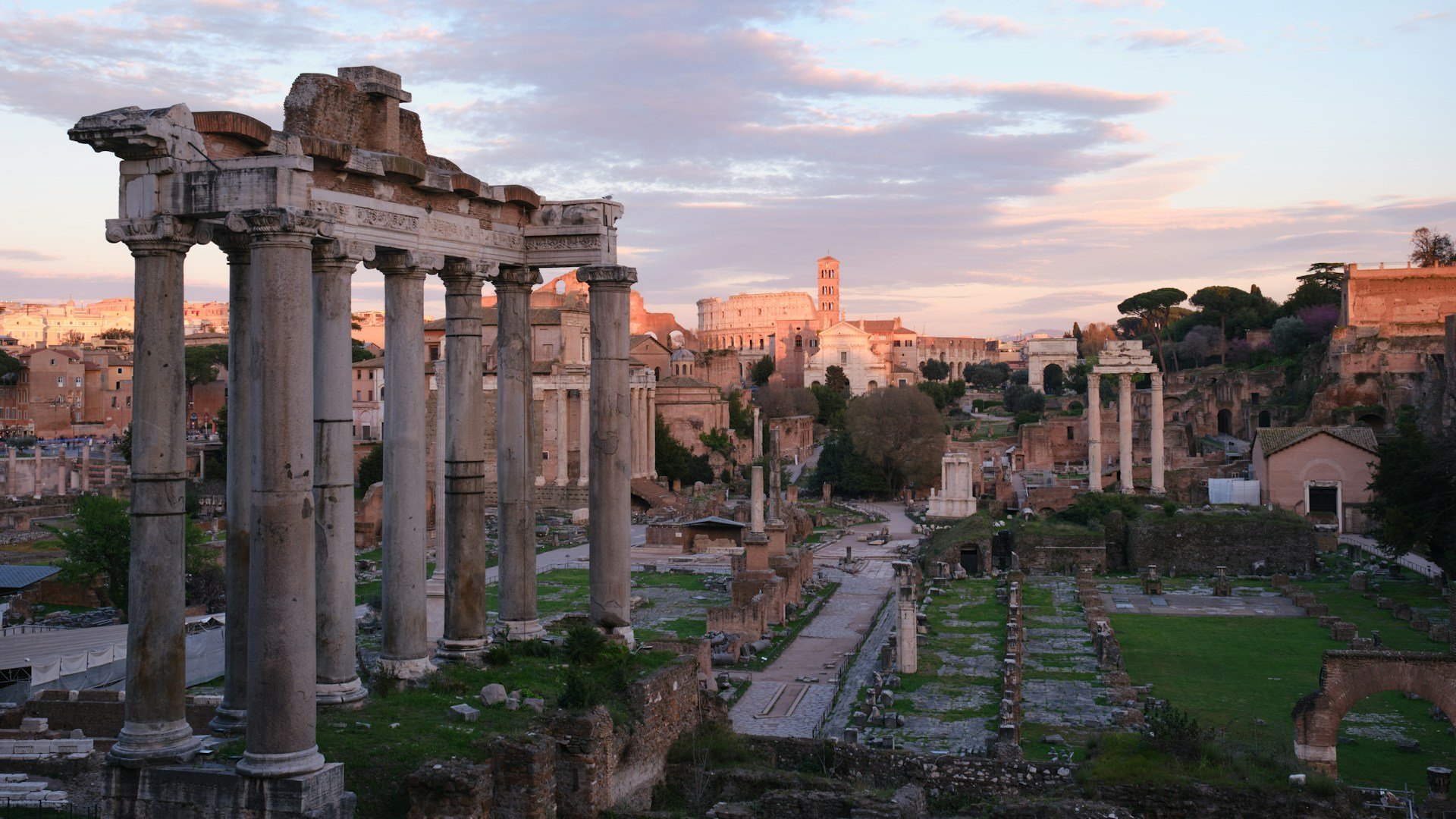
The Colosseum and Roman Forum, Rome
Yes, it's crowded. Yes, you need a strategy. But there is no substitute for standing inside a structure that has witnessed 2,000 years of human history. Book a private guide, arrive early, and skip the general admission line entirely. A knowledgeable guide transforms what could be a photo-op into a two-hour conversation with ancient Rome. Our local guide Eva, who has spent years uncovering the stories most visitors never hear, describes the Roman Forum as "the place where the entire concept of Western civilization happened." She's not wrong.
The Valley of the Temples, Agrigento, Sicily
Most American travelers don't put Sicily on their list, and that's exactly why you should. The Valley of the Temples is one of the finest examples of ancient Greek architecture in the world, in better condition than anything you'll find in Greece itself. Combined with Sicily's volcanic landscapes, extraordinary seafood, and cultural richness born from centuries of Arab, Norman, and Spanish influence, this is a region that rewards the curious traveler enormously. Relatively few tourists from the US make it here, which makes the experience all the more special.
The Dolomites, Trentino-Alto Adige
No photograph has ever done the Dolomites justice. These rose-colored limestone peaks in Italy's northeast are UNESCO World Heritage-listed, and they deliver one of those rare travel experiences where you arrive and immediately understand why people devote their lives to returning. With Austrian and German cultural influence layered over the Italian alpine landscape, this region feels unlike anywhere else in the country. Hikers, skiers, and anyone who just wants to sit with a glass of local wine and stare at something magnificent will find their peace here.
Matera, Basilicata
Matera is one of the oldest continuously inhabited cities in the world. Its ancient sassi, cave dwellings carved directly into the ravine, have been transformed into some of the most atmospheric boutique hotels and restaurants you'll ever experience. This is a city that was once considered a national embarrassment and is now a UNESCO World Heritage Site and European Capital of Culture. It's still relatively under the radar for American travelers, which makes now exactly the right time to go.
Ravenna's Byzantine Mosaics, Emilia-Romagna
Most travelers rocket through Emilia-Romagna on their way to Bologna's food scene (which is also worth a stop) without realizing that Ravenna contains some of the most breathtaking early Christian art on earth. The 5th and 6th century mosaics in the Basilica of San Vitale and the Mausoleum of Galla Placidia are extraordinary in person, glittering with a depth and warmth that photographs simply cannot replicate. This is exactly the kind of discovery that changes how you see a trip.
Proceed with Caution: Famous Places That Deserve Honest Context
Positano and the Amalfi Coast
The Amalfi Coast is undeniably beautiful. It also has a serious overcrowding problem that has become difficult to work around, particularly in the summer months. Positano in peak season can feel less like a village and more like a very scenic traffic jam. If the Amalfi Coast is a non-negotiable dream for you, we'll help you plan it strategically. But for clients returning to Italy, we're increasingly guiding them toward equally stunning coastline with a fraction of the crowds. The Cilento Coast, just south of the Amalfi, offers the same dramatic cliffs and cerulean water with a completely different pace of life.
Naples
Naples is a city of genuine, chaotic brilliance, and the pizza alone can justify a visit. But it's also one of Italy's most challenging cities to navigate without local knowledge, and its proximity to Pompeii and the Amalfi Coast has made it a heavily touristed transit point rather than a destination experienced on its own terms. For first-time Italy travelers, we tend to suggest spending your limited time in places where you can exhale a little more easily. For adventurous return visitors who want to go deeper, Naples can be extraordinary with the right guide.
Lake Como (City Center)
Lake Como has a Swiss-chic feel and genuinely good food, but the city center has grown very busy, and the "celebrity lake" reputation drives up prices significantly. It's still beautiful. It's still worth seeing. But we've found that Lake Maggiore and the Stresa area, just to the west, offer a comparable or even superior experience with far fewer crowds, more local character, and better value. If you're torn, we're happy to have that conversation with you.
The Tourist Traps: Where to Lower Your Expectations (and Your Wallet)
We'll be direct here. These are the patterns and places that consistently disappoint our clients when they arrive having already been there on a previous, self-planned trip.
Restaurants directly adjacent to major monuments. In Rome, Venice, and Florence especially, the restaurants within a two-minute walk of the Colosseum, Rialto Bridge, or the Uffizi are almost universally overpriced and underwhelming. Walk four or five blocks in any direction and the quality and value shift dramatically.
"Venetian gondola" rides without a plan. A gondola ride in Venice can be genuinely romantic and memorable. It can also be a 30-minute transaction that costs a significant amount of money and feels like moving through a water-based theme park. The key is timing: early morning or near dusk, on the smaller interior canals rather than the Grand Canal. With planning, it's magic. Without planning, it's a line.
San Gimignano as a half-day bus tour stop. San Gimignano is one of the most beautifully preserved medieval towns in all of Tuscany. It's also on virtually every group tour itinerary in the region, which means its main street is often wall-to-wall with visitors by mid-morning. If you want to experience it properly, go early, go independently, and pair it with nearby Volterra for a fuller picture of the area.
The tourist menus. You'll see them everywhere, particularly near major attractions: laminated menus with photographs, four courses for a fixed price, usually including a glass of "house wine" of mysterious origin. They are rarely a good deal and almost never a good meal. When in doubt, eat where Italians are eating. If the menu is only in English, walk.
The Other 99%: Places That Will Change Everything
Some of the most profound Italy experiences our clients have ever had happened in places they'd never heard of before we suggested them. A few worth knowing:
Umbria. Described by those who know Italy deeply as what Tuscany was 20 years ago. Landlocked and quieter, with medieval hill towns like Assisi, Orvieto, Montefalco, and Spello that feel genuinely unhurried. Truffles, olive oil, and some of Italy's most underrated wines.
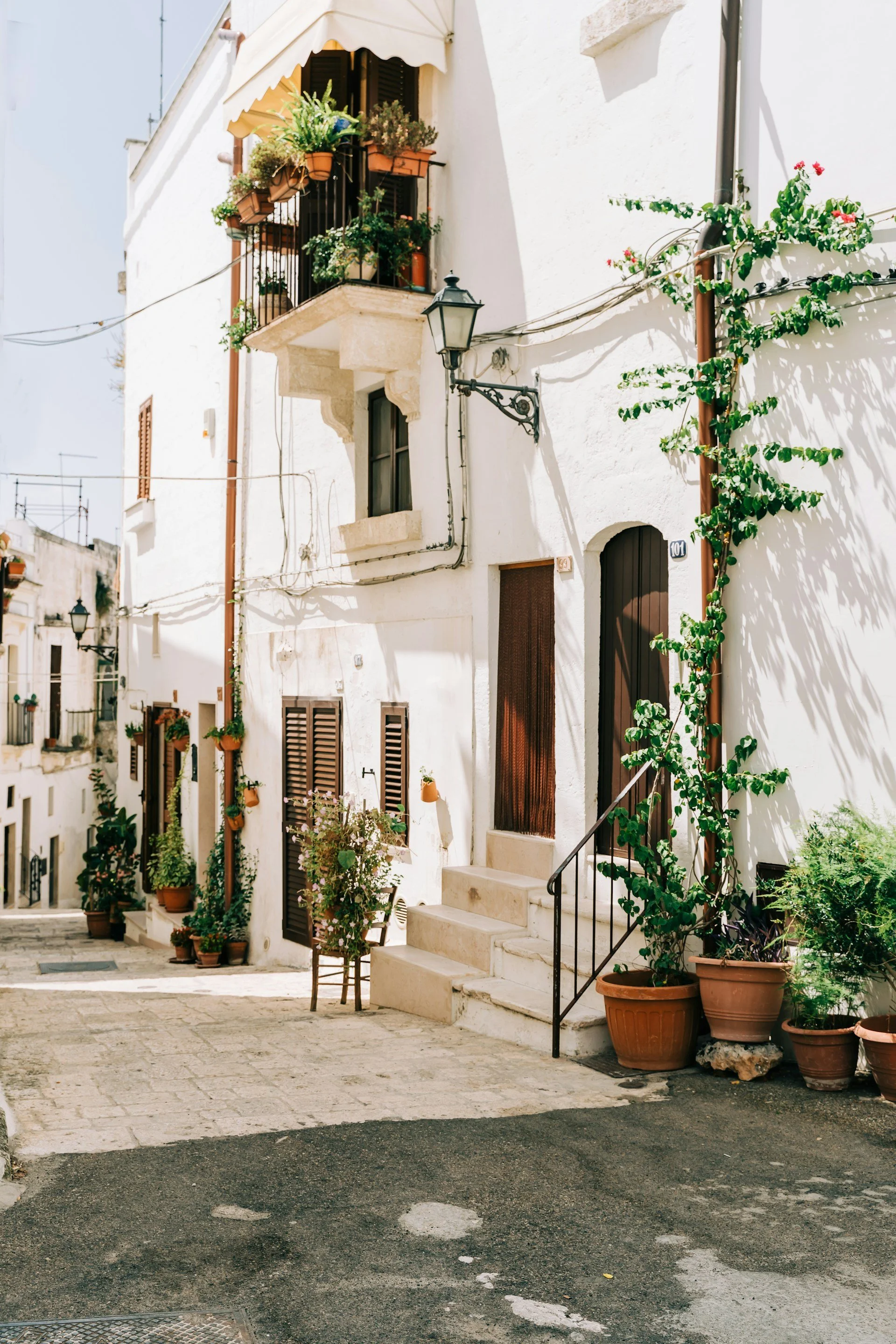
Puglia. The heel of Italy's boot, with whitewashed baroque towns, trulli stone huts that look like something from a fairy tale, and coastal water that rivals anything in the Mediterranean. Lecce alone, with its extraordinary baroque architecture in golden stone, can hold you for days.
Le Marche. The region between Tuscany, Umbria, and the Adriatic coast is one of Italy's most beautiful and least-visited. Renaissance hill towns, the Frasassi Caves, the beaches of the Conero Riviera, and some of the best food in central Italy, all with almost no lines.
Cortona, Tuscany. Made famous by Frances Mayes and Under the Tuscan Sun, Cortona is beloved by our clients for good reason. It still feels like a real town, perched on a hillside above the Valdichiana with views that stretch into Umbria. The key is staying in an apartment or villa within the walls, going to the market in the morning, and letting the days unfold without a schedule.
How We Think About This at Italy With Bella
When a client tells us they want to go to Venice, we don't just book Venice. We ask why. What is it about Venice that calls to them? The water? The art? The romance? The architecture? The sense that they're walking through a dream? The answer changes everything about how we build the trip.
We call it peeling the onion. Understanding not just what someone wants to see, but why they want to see it. Because sometimes the real answer isn't the place they named. It's a place they've never heard of that will give them exactly what they were actually looking for.
We also never overbook an itinerary. Italy is not a country to be conquered on a checklist. The serendipitous afternoon you spent wandering into a ceramic workshop in Deruta, or the dinner that turned into a three-hour conversation with an Italian family at the next table, these are the things our clients remember most. You can't schedule serendipity. But you can leave room for it.
Our three P's: Planning, Pivoting, and Patience. Plans are worthless, but planning is everything. The goal is to build something so well-considered that when the unexpected happens, you have the context and the confidence to go with it.
Ready to See Italy Differently?
At Italy With Bella, we specialize in custom, fully planned Italy itineraries that go well beyond the tourist trail. Every trip is built from scratch, every partner is personally vetted, and every itinerary is pre-loaded into your app so you can simply show up and experience it.
Start the conversation at italywithbella.com/schedule.